

More Than Just a Tangy Condiment
In India, pickles, or 'achaar', are an integral part of the culinary landscape, with recipes passed down through generations. From the fiery mango pickles of Andhra to the sweet and sour lemon pickles of Gujarat, each region boasts its own unique varieties.
Traditionally prepared at home, these pickles were a way to preserve seasonal fruits and vegetables for the year. Today, there is a renewed interest in these age-old preparations, not just for their taste, but for their surprising health benefits, particularly for our gut.
The Probiotic Power of Fermentation
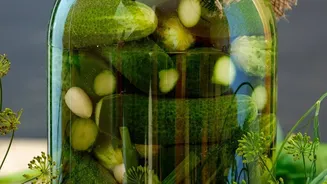
The secret to the health benefits of many traditional Indian pickles lies in one simple, ancient process: fermentation. Probiotics are live, beneficial bacteria that support a healthy gut microbiome, which is crucial for digestion, immunity, and overall wellness. During natural fermentation, beneficial bacteria, such as Lactobacillus, convert sugars present in the vegetables or fruits into lactic acid. This lactic acid not only preserves the pickle but also populates it with these gut-friendly microbes, making it a natural probiotic food.
Not All Pickles Are Created Equal
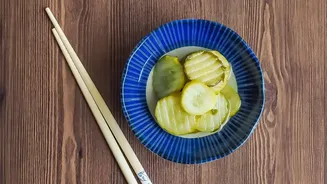
It is crucial to understand that not every pickle you find offers these probiotic benefits. Most commercially produced pickles available on supermarket shelves are made using vinegar and are often pasteurised with heat to extend their shelf life. This process, known as quick pickling, kills off the live bacteria, meaning these pickles do not contain probiotics. A true probiotic pickle is one that is naturally fermented in a brine of salt and water, without the use of vinegar or heat treatment. Many traditional Indian pickles, which use salt, oil, and sun-drying as part of the process, fall into this fermented category.
A Tour of India's Probiotic Achaars
Many regional Indian pickle recipes inherently create a probiotic-rich final product. Classic examples include lemon pickle cured with salt, green chilli pickles, and amla (Indian gooseberry) pickle. The traditional method involves mixing the primary ingredient with salt and spices and allowing it to cure, often in the sun, over several days or weeks. This allows the fermentation process to occur naturally, developing both complex flavours and a healthy dose of probiotics. Spices used in these pickles, like turmeric, fenugreek, and mustard seeds, also contribute their own antioxidant and anti-inflammatory properties.
How to Choose Your Probiotic Boost
When seeking pickles for their probiotic content, it's important to be a discerning shopper. Look for pickles labelled as 'naturally fermented', 'unpasteurised', or 'contains live cultures'. These are often found in the refrigerated section of stores, as refrigeration helps preserve the live bacteria. Many commercial pickles use vinegar as a primary preservative, so check the ingredient list; if vinegar is a main component, the pickle is likely not fermented and won't offer probiotic benefits. The best sources are often homemade pickles or those from small-batch producers who follow traditional fermentation methods.