



The Freedom of Freestyle Dance
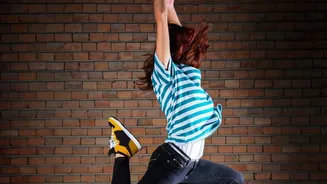
Unlike structured fitness classes, freestyle or 'free-form' dance is about spontaneous, unchoreographed movement. It's a workout where you are the choreographer, moving in a way that feels natural and enjoyable. This makes it incredibly accessible for people
of all ages and fitness levels. The benefits are extensive, ranging from improved cardiovascular health and muscle tone to better balance, coordination, and flexibility. More than just a physical activity, it’s a powerful tool for stress relief and mental well-being, allowing you to enter a 'flow' state that calms the nervous system.
Know Your Intensity: Using Perceived Exertion
Without a drill sergeant or a heart rate monitor, how do you measure intensity? The easiest way is the Rating of Perceived Exertion (RPE) scale, a subjective measure of how hard you feel your body is working. A simple version runs from 0 to 10. Low intensity might feel like a 2-3 (gentle effort), moderate is a 4-6 (breathing harder but can still talk), and high intensity is a 7-9 (breathing deeply and can't speak easily). A recent study even found that people are generally very good at judging their own moderate and vigorous intensity levels while dancing.
Level 1: Low-Intensity Flow
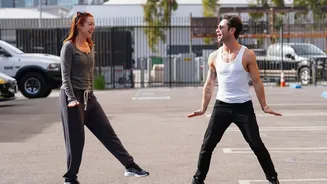
This is your starting point, your recovery day, or your mindful movement session. Low-impact, gentle, and continuous, this level focuses on getting your body moving without strain. Think of it as a moving meditation. The goal is to feel loose, warm, and connected to the music. Start by simply swaying side-to-side or shifting your weight. Introduce simple steps like a two-step (step right, bring left foot to meet it, repeat left) or a grapevine (step side, cross behind, step side, tap). Keep your movements fluid, incorporating gentle arm swings, shoulder rolls, and hip circles. The key is to keep one foot on the floor most of the time to minimize impact on your joints.
Level 2: Moderate-Intensity Groove
Ready to turn up the energy? Moderate intensity is where you'll really feel the cardiovascular benefits. Your heart rate is up, you're starting to sweat, but you still feel in control. The movements become bigger and more rhythmic. Instead of gentle sways, introduce bouncing from the knees. You can turn your step-touches into small side-lunges and add more dynamic arm movements, like reaching across your body or punching the air to the beat. Incorporate moves like the mambo (stepping forward and back) or chassés (a chasing step side to side). This is the heart of a dance cardio workout, focusing on endurance and consistent movement.
Level 3: High-Intensity Bursts
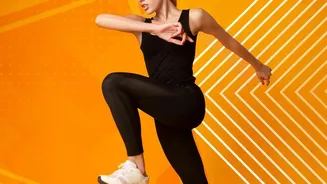
This level is about short, powerful explosions of energy. High-intensity movements are not meant to be sustained for long periods. Instead, think of them as the chorus of a song where you give it your all for 30-60 seconds before returning to a moderate or low intensity. Here, you can add impact. This includes moves like skips, high knees, jumping jacks, or even small, controlled hops. For more flair, try adding a turn to your grapevine or a small jump to your chassé. Plyometric-style moves, like squat jumps, can be incorporated for an extra challenge if you feel strong and balanced. The focus is on explosive power that leaves you breathless.
Structuring Your Freestyle Session
A successful freestyle workout has a beginning, a middle, and an end. Always start with a 5-10 minute warm-up of light cardio and dynamic stretches like neck turns and hip swings to prepare your muscles. For the main workout, try interval training. Pick a song and move at a low or moderate intensity during the verses, then explode with high-intensity moves during the chorus. Or, create a playlist that naturally builds in tempo and energy. The most important part is to listen to your body. Finish every session with a 5-10 minute cool-down, gradually slowing your movements and holding static stretches for muscles like your hamstrings and quads to improve flexibility and reduce soreness.