


The Battery Price Problem
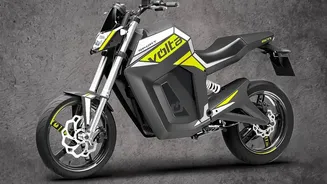
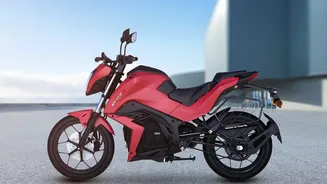
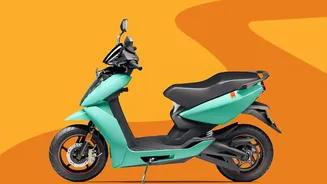
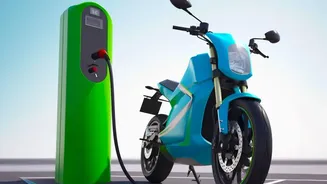
Ask anyone considering an electric scooter, and they'll likely point to the cost as their main concern. They're not wrong. The single most expensive component in any electric vehicle is the battery pack. For electric two-wheelers in India, the battery can
account for 30-40% of the total vehicle cost. A replacement battery for popular models can cost anywhere from ₹45,000 to over ₹1,00,000. This high upfront cost, driven by the complex and material-intensive nature of current lithium-ion batteries, keeps many potential buyers in the petrol-powered world. While subsidies and financing help, the core issue remains: for EVs to truly be for everyone, the battery needs to get significantly cheaper.
Enter Solid-State: A Simpler, Safer Future
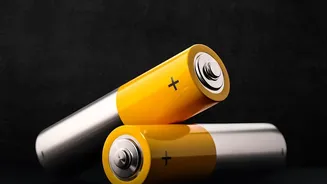
This is where solid-state batteries come in. In simple terms, the traditional lithium-ion batteries in today's EVs use a liquid or gel (called an electrolyte) to move energy around. This liquid adds weight, requires complex cooling and safety systems to prevent fires, and limits how much energy can be packed into a given space. Solid-state batteries, as the name suggests, replace this flammable liquid with a thin, solid material, often a ceramic or polymer. This fundamental change has massive benefits. They are safer, as the fire risk is virtually eliminated. They are also more energy-dense, meaning they can store more power in a smaller, lighter package, which could lead to longer range or smaller batteries in vehicles.
The Breakthroughs That Pave the Way
For years, solid-state batteries were a promising but distant technology, always seeming five to ten years away. That's finally starting to change. Recently, companies have made significant progress in solving the key technical challenges. Researchers and companies like Samsung, Toyota, and QuantumScape have developed new materials and manufacturing techniques to improve stability and performance. For instance, Taiwanese firm ProLogium recently announced it has begun mass production of its solid-state cells, which boast an energy density around 30% higher than many current EV batteries. Others have demonstrated cells that can charge rapidly, sometimes in as little as 10-15 minutes, and operate across a wider range of temperatures, a crucial factor for the diverse Indian climate.
How This Translates to Lower Prices
While the initial solid-state batteries will likely appear in high-end cars, the technology's long-term promise lies in cost reduction. The simpler design, with fewer components for cooling and safety, means manufacturing can eventually be streamlined. As companies scale up production, economies of scale will kick in, driving down the price per unit. More importantly, the use of more abundant and potentially cheaper materials could further reduce reliance on expensive and volatile commodities. While current manufacturing is still costly, many experts predict that as production matures towards the end of the decade, solid-state batteries could become cheaper to produce than their lithium-ion counterparts.
The Indian Context and a Reality Check
The potential for India is enormous. With a market dominated by two-wheelers, a cheaper, safer, and more robust battery technology could accelerate EV adoption dramatically. Several Indian entities are already part of the race. GODI India, an R&D firm, is innovating with unique materials and cell chemistries, including solid-state electrolytes. Inventus Battery Energy Technologies is developing an indigenous solid-state battery platform called Ceramion⁺™, designed in India for local conditions. Even institutions like IIT Roorkee are deep into research on solid electrolytes. However, it's important to be realistic about the timeline. While breakthroughs are happening now, mass-market availability in entry-level two-wheelers is not around the corner. Most industry roadmaps see initial commercialisation in premium vehicles around 2027-2028, with widespread, affordable adoption not likely until after 2030.