


What is Smart Glass Film?
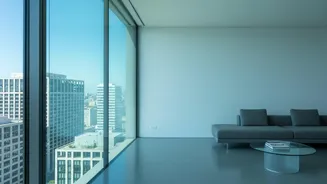
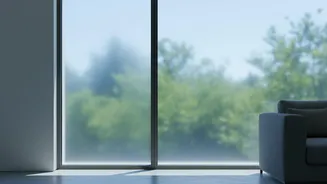
Smart glass film, also known as switchable film or PDLC (Polymer Dispersed Liquid Crystal) film, is a high-tech layer that can be applied directly onto existing glass surfaces. Its defining feature is the ability to change from transparent to an opaque,
frosted state with the flip of a switch. When a low-voltage electrical current is applied, the liquid crystals inside the film align, allowing light to pass through for a clear view. When the power is off, the crystals scatter randomly, diffusing light and creating instant privacy. This makes it a dynamic alternative to traditional curtains or blinds, offering a minimalist aesthetic and easy cleaning.
The Science of a Cooler Home
The primary way smart glass film cuts cooling costs is by controlling solar heat gain. Sunlight is composed of visible light, ultraviolet (UV) rays, and infrared (IR) radiation. While visible light brightens a room, UV and IR rays are the main culprits behind heat buildup. High-quality smart films are engineered to block a significant percentage of these invisible heat-causers. By rejecting a large portion of infrared heat, the film prevents your rooms from heating up like a greenhouse, especially those with large, sun-facing windows. This directly reduces the workload on your air conditioner, as it doesn't have to run as long or as hard to maintain a comfortable indoor temperature.
Putting Numbers to the Savings
The energy savings from smart film can be substantial. Studies and market reports indicate that by dynamically controlling solar heat gain, these films can reduce a building's cooling energy consumption significantly. Depending on the climate and specific product, some analyses show potential annual cooling energy reductions of 15-25%. Some sources even claim savings of up to 30% on cooling costs during peak summer months. In a scientific study, the application of a smart PDLC film was found to reduce air-conditioning energy consumption by 5% in the shaded state while also providing optimal indoor light. This translates into lower monthly electricity bills and a smaller carbon footprint for urban households.
Beyond Savings: Other Key Benefits
While cost reduction is a major draw, smart films offer several other advantages. Instant privacy is a primary benefit, perfect for apartments, ground-floor flats, and home offices. Furthermore, these films can block up to 99% of harmful UV rays. This not only protects your skin from potential damage during prolonged sun exposure indoors but also prevents your furniture, curtains, and flooring from fading over time. The film also adds a layer of security; in case of breakage, it holds the shattered glass pieces together, much like a car's windshield.
Installation and Cost in India
One of the biggest advantages of smart film is that it can be retrofitted onto existing windows, making it a more accessible upgrade than replacing entire glass panes. The installation is best handled by professionals to ensure a flawless finish and proper electrical connection. The cost in India can vary widely based on quality, brand, and the complexity of the installation. As of mid-2026, prices for PDLC film in India generally range from ₹1,500 to ₹3,500 per square foot. While the upfront investment is considerable compared to basic sun-control films or blinds, the long-term energy savings can help offset the initial cost over several years, making it a viable investment for those looking to improve comfort and efficiency.