

A Shift Beyond the New
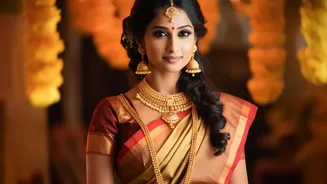
Durga Puja has always been synonymous with renewal, a time when families welcome the Goddess and celebrate with new beginnings, often marked by a fresh festive wardrobe. For generations, this has meant shopping for brand-new outfits for each day of the celebration.
However, a growing consciousness, particularly among younger generations, is challenging this tradition of consumption. The focus is shifting from simply buying new to creating something meaningful. This eco-conscious movement isn't about diminishing the festive spirit; it's about enriching it. Instead of contributing to textile waste, style-savvy individuals are looking into their own closets and their mothers' and grandmothers' trunks, finding inspiration in heirloom fabrics. This approach marries the joy of festive dressing with a deeper appreciation for personal history and environmental responsibility.
The Art of Reinvention
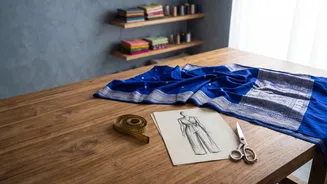
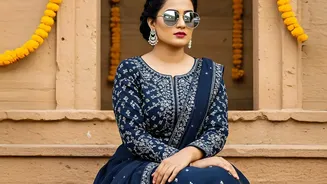
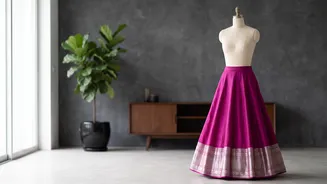
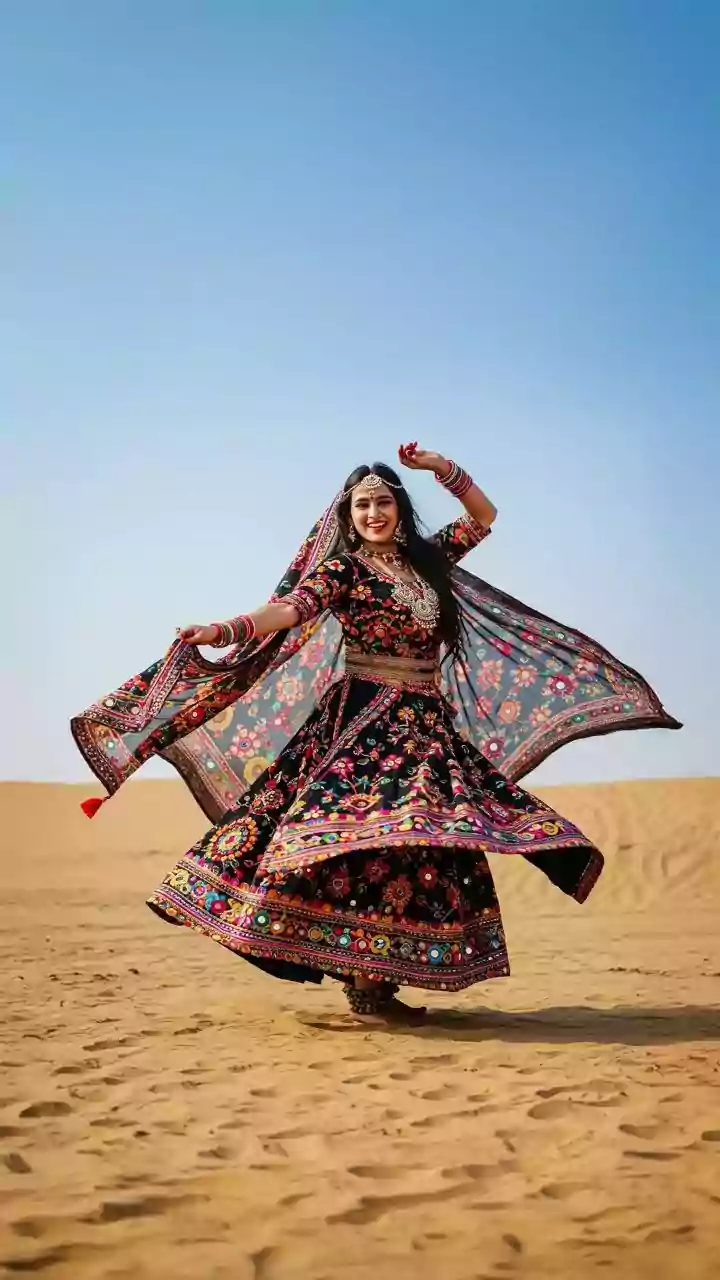
So, how does an old saree become a show-stopping Puja outfit? The possibilities are as varied as the sarees themselves. A treasured but torn Banarasi silk saree can be reborn as a structured lehenga or a floor-length Anarkali gown, perfect for Ashtami's grand celebrations. The intricate zari border of a Kanjeevaram can be carefully detached and repurposed to embellish a modern jacket, a stylish kurta, or even a chic clutch bag. Lighter fabrics like chiffon or georgette find new life as breezy kaftans, elegant dupattas, or trendy co-ord sets. This process goes beyond simple tailoring; it's a creative collaboration with local artisans and designers who specialize in seeing the potential in every thread. They masterfully cut and stitch, transforming what was once stored away into a contemporary masterpiece infused with nostalgia.
A Wardrobe Full of Stories
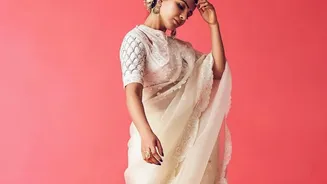
Choosing an upcycled outfit for Durga Puja is more than a fashion statement; it's an emotional one. Wearing a garment fashioned from your grandmother’s wedding saree or your mother's first Jamdani carries a profound sense of connection. It weaves together generations, allowing you to carry a piece of your family's history and love with you as you hop from one pandal to another. These outfits are instant conversation starters, imbued with stories that no mass-produced garment could ever tell. This trend signifies a move towards 'slow fashion', where the value of a garment lies not in its newness, but in its journey, its craftsmanship, and its sentimental worth. It’s about building a wardrobe of quality pieces that are designed to be cherished for years, not just a single season.
Designers Championing the Cause
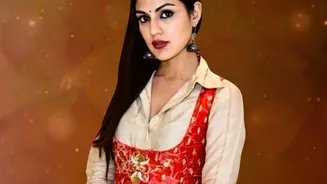
This sustainable wave is being led by a host of innovative Indian designers and boutique labels. Brands like Lata Sita and Kumari have built their ethos around zero-waste principles, sourcing vintage sarees from personal collections and other unexpected places to create unique dresses and separates. Others, like Bodements, even offer custom services where customers can bring their own family sarees to be transformed into bespoke garments. These designers are not just tailors; they are storytellers and textile revivalists. They use techniques like intricate embroidery and patchwork to breathe new life into damaged fabrics, ensuring every piece is utilized and celebrated. Their work proves that sustainable fashion can be luxurious, highly personal, and deeply rooted in Indian craft traditions.
Fashion with a Conscience
Ultimately, the rise of upcycled festive wear reflects a broader cultural shift. As environmental awareness grows, consumers are increasingly seeking ways to make more responsible choices without sacrificing style or tradition. The eco-conscious movement is visible not just in fashion, but in all aspects of the festival, from clay idols to biodegradable decorations. Opting for an upcycled outfit during Durga Puja is a powerful declaration of values. It says that you honor tradition but are not bound by outdated norms of consumption. It’s a celebration of individuality, creativity, and the timeless beauty that can be found in a piece of clothing that has lived a life before. This festive season, the most revolutionary style statement might just be the one that’s already in your family’s closet, waiting for its next chapter.