






The Myth of the Central Stay
For decades, the undisputed logic for travellers, especially those without a car, has been to secure accommodation as close to the city’s heart as possible. The appeal is obvious: major sights, famous restaurants, and key transport hubs are often just
a short walk away. This convenience, however, frequently comes with significant downsides. Central tourist districts are often the most expensive places to stay, with hotel rates inflated due to high demand. They can also be noisy, crowded, and overwhelming, offering a sanitised, tourist-centric version of the city rather than an authentic glimpse into local life. After a long day of exploring, returning to a cramped room amidst bustling streets isn't always the relaxing escape a holiday should be.
The Neighbourhood Advantage
Opting for a stay in a residential neighbourhood just outside the core can transform your trip. The most immediate benefit is value. For the price of a standard central hotel room, you might find a spacious apartment, a boutique guesthouse, or a hotel with better amenities. Beyond the financial perks, staying in a neighbourhood allows you to experience a destination like a local. You can start your day at the corner bakery, discover family-run restaurants that don't appear in every guidebook, and enjoy a quieter, more relaxed atmosphere. This approach offers a deeper, more authentic connection to the place you are visiting, turning a simple vacation into a more immersive cultural experience.
Connectivity Is King
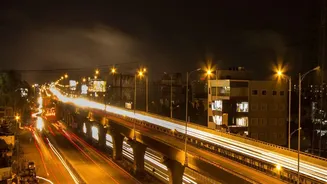
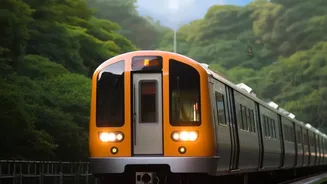
This strategy hinges on one crucial element: excellent public transportation. A car-free trip from a non-central base is only feasible and enjoyable in cities with efficient, reliable, and safe transit systems. Before booking, your primary research should focus on the city's transport network. Look for accommodation near a metro station, a frequent bus route, or a tram line that provides easy access to the city centre and other areas you wish to explore. Cities like Tokyo, Berlin, London, and even Indian metropolises like Delhi and Mumbai with their extensive metro and local train networks, are prime candidates for this type of travel. A 15-minute metro ride can transport you from a peaceful residential area directly to the main attractions, offering the best of both worlds.
How to Plan Your Off-Centre Stay
Planning a successful off-centre, car-free trip requires a bit more research, but the payoff is immense. Start by using online maps to explore neighbourhoods along major transit lines. Look at transit apps to understand travel times from potential areas to your must-see sights. Read travel blogs and forums for insights into the vibe and safety of different neighbourhoods. Is it a quiet family area, a trendy hub for young professionals, or a district known for its artistic community? Choosing a neighbourhood that matches your travel style is key. Also, consider amenities. Does the area have grocery stores, pharmacies, and a few local cafes or restaurants? Having these essentials nearby makes your stay more convenient and enjoyable. Finally, when you land, consider purchasing a multi-day transit pass, which often provides the most economical way to explore the city extensively.
A Richer Travel Experience
Ultimately, moving away from the city centre is about more than just saving money. It's about changing the rhythm of your travel. It allows you to escape the intensity of the tourist trail and find moments of quiet and authenticity. You can enjoy a full day of sightseeing in the bustling heart of the city, then retreat to the calm of 'your' local neighbourhood for the evening. This contrast between urban energy and local tranquility often defines the most memorable trips. By venturing just a little further afield, you trade the convenience of a central address for the rewarding experience of seeing a city through the eyes of those who call it home.