
More Than Just Muscle
When we hear 'protein', we often think of bodybuilders and gym enthusiasts. But this vital nutrient is essential for everyone, every single day. Protein is the fundamental building block for your entire body—it's crucial for repairing tissues, building strong
muscles, and maintaining healthy hair, skin, and nails. It also plays a key role in producing enzymes and hormones that regulate everything from your mood to your metabolism. Furthermore, a strong immune system relies heavily on protein to create antibodies that fight off infections. Simply put, getting enough protein is not about building bulk; it's about building a healthy, functional body from the inside out.
How Much Do You Really Need?
The conversation around protein requirements can be confusing. The Indian Council of Medical Research (ICMR) suggests a baseline of 0.83 grams of protein per kilogram of body weight for a sedentary adult. So, a 60 kg individual would need roughly 50 grams of protein daily just to prevent deficiency. However, this is a minimum. If you have an active lifestyle, are trying to manage your weight, or are in your senior years, your needs may be higher—closer to 1.0 to 1.2 grams per kilogram. It's important to note that claims of high protein intake harming kidneys are largely a myth for people with healthy kidneys. The key is to match your intake to your lifestyle, and for personalised advice, consulting a nutritionist is always the best approach.
The Vegetarian Powerhouses: Dal, Paneer, and Soya
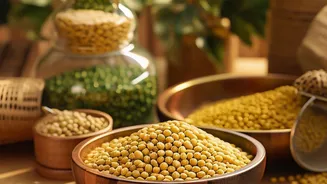
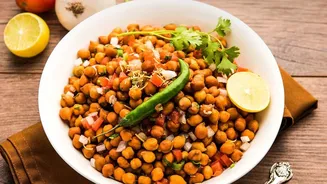
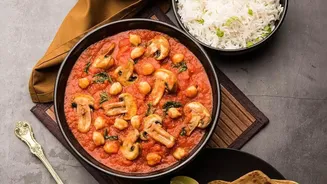
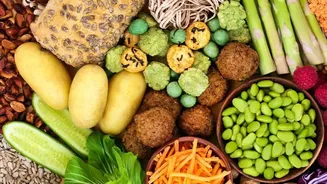
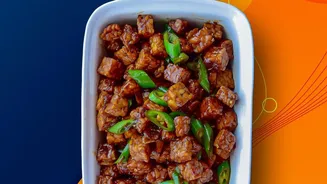
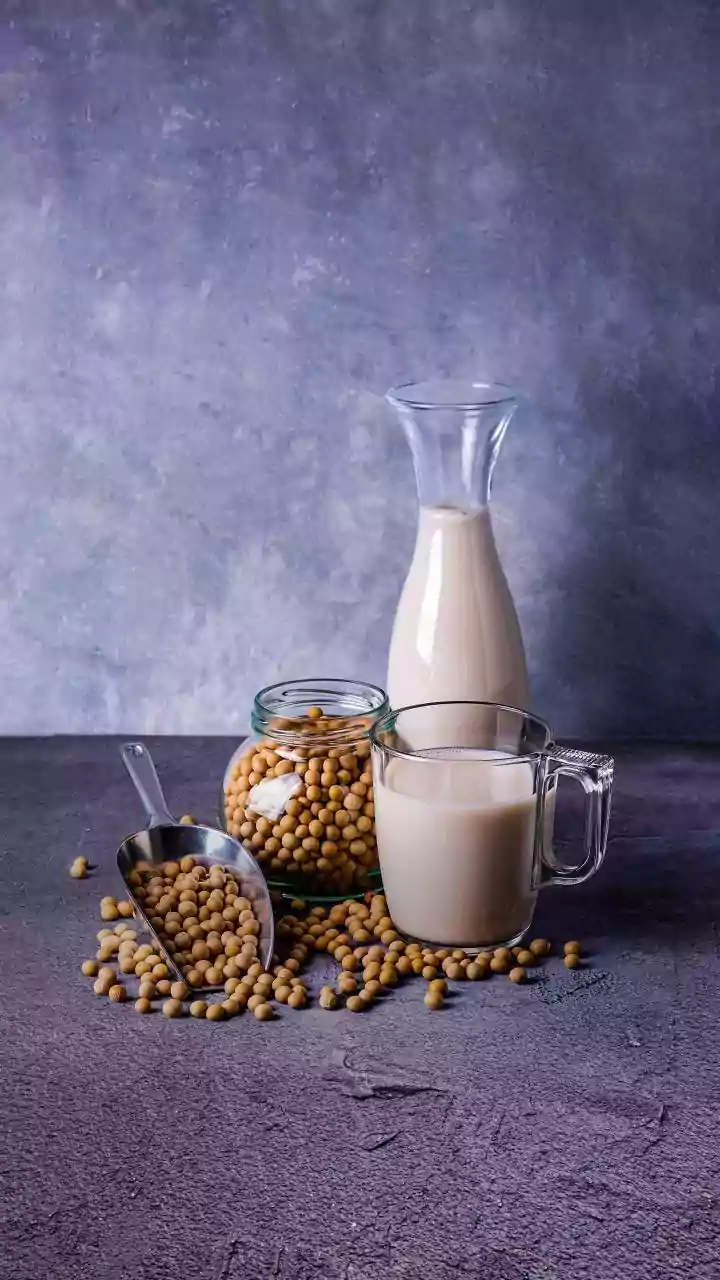
For vegetarians, the Indian diet offers a fantastic array of protein sources. Lentils and pulses are the cornerstone. A single cup of cooked dal can provide around 15-18 grams of protein. Paneer is another favourite, with 100 grams offering about 18-20 grams of high-quality protein. But the undisputed plant-based champion is soya. Soya chunks contain a staggering 52 grams of protein per 100g, making them a dense and versatile option. Other excellent sources include chickpeas (chana), kidney beans (rajma), and various sprouts, all of which can significantly boost the protein content of your meals.
The Smart Combination: Creating Complete Proteins
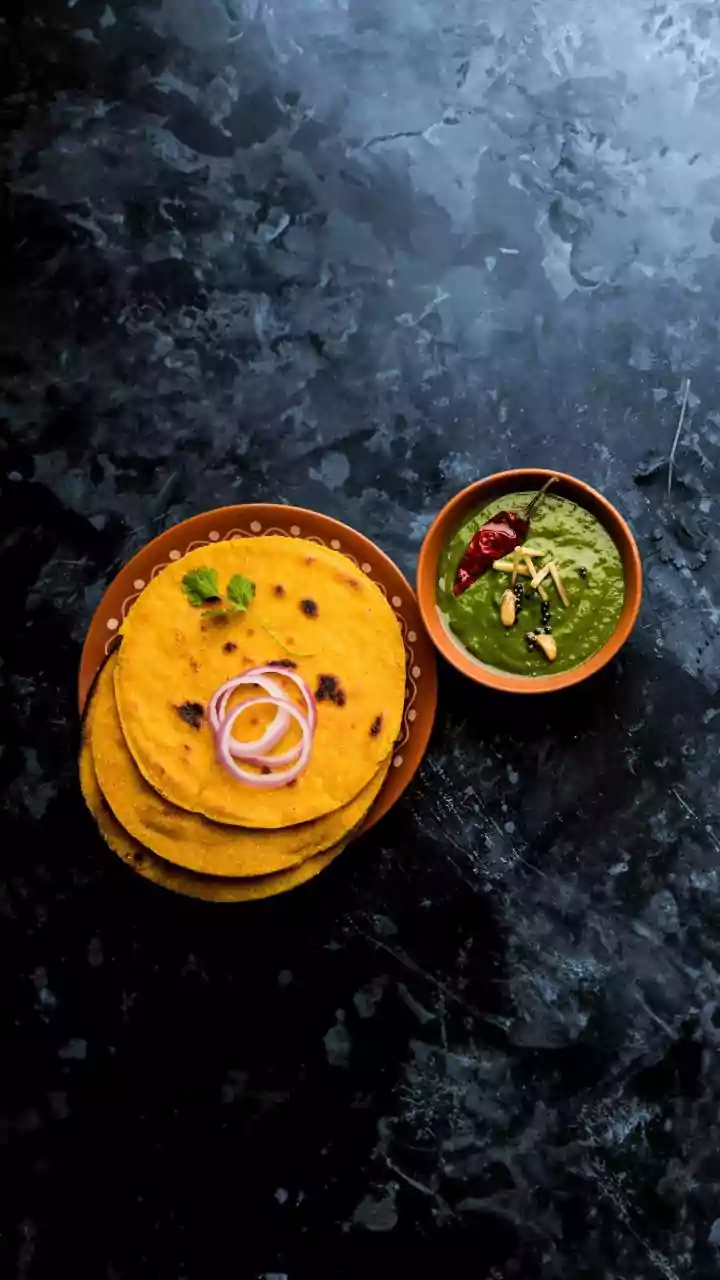
One of the smartest aspects of traditional Indian cuisine is the concept of 'protein complementation'. Most plant-based foods are 'incomplete' proteins, meaning they lack one or more of the nine essential amino acids our bodies can't produce. For example, dals and legumes are typically low in the amino acid methionine, while grains like rice and wheat are low in lysine. By combining them—as in the classic meals of dal-chawal or rajma-roti—you create a complete protein profile, providing your body with all the essential building blocks it needs. Foods like dairy, eggs, and soya are naturally complete proteins on their own.
Putting It All on Your Plate
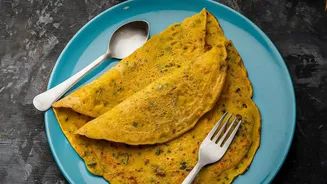
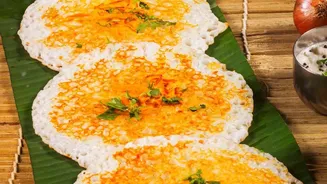
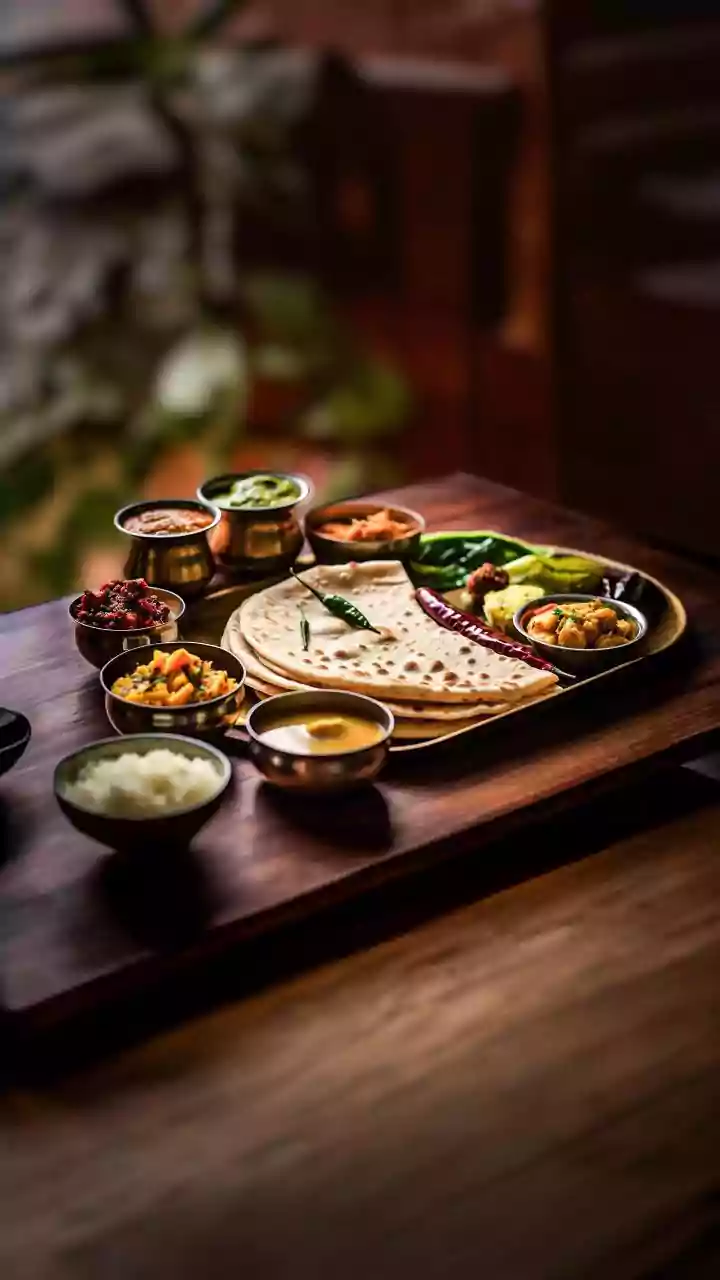
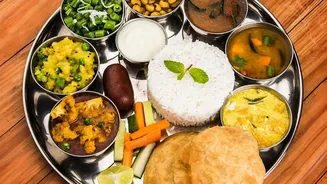
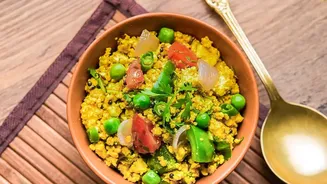
Incorporating enough protein into your diet doesn't require a radical overhaul. It's about making small, intentional choices. Start your day with a protein-rich breakfast like moong dal chilla or paneer bhurji instead of a carb-heavy option. For lunch and dinner, ensure your katori of dal or sabzi is substantial, not just a small side. A typical Indian thali can sometimes be low in protein if the portions of dal and curd are too small compared to rice or roti. Snacking on a handful of peanuts or roasted chana is another easy win. By focusing on including a protein source in every meal, you can easily meet your daily needs without feeling like you're on a restrictive diet.