




Start Small and Smart
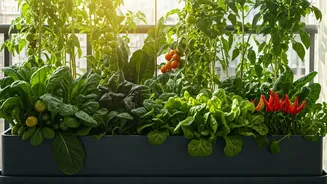
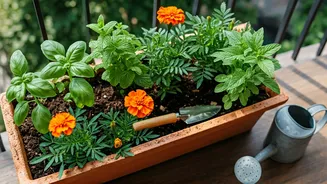
The single biggest mistake new gardeners make is trying to do too much, too soon. A sprawling garden bed is a huge commitment. Instead, embrace the power of a few well-chosen pots. Start with just three to five containers on your balcony, windowsill,
or terrace. This approach lets you learn the ropes without being overwhelmed. You can focus your energy on keeping a few plants happy, building your confidence as you go. Success with one pot of mint is far more encouraging than failure with an entire patch of mixed vegetables. This manageable start is the foundation of a joyful, long-term gardening habit rather than a short-lived, stressful project.
Choose Your Champions Wisely
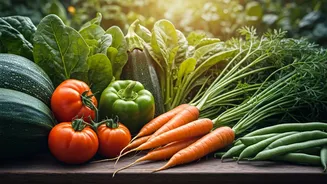
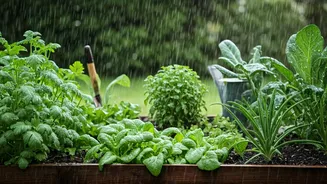
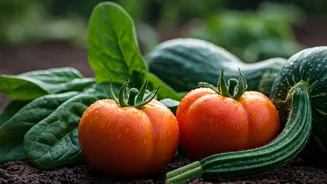
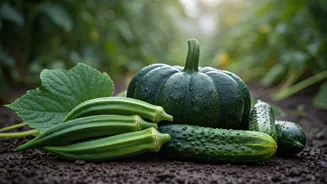
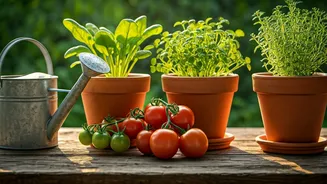
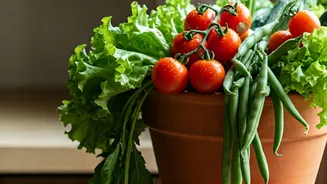
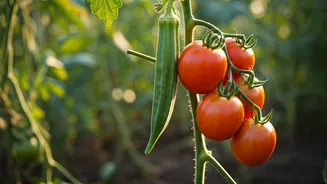
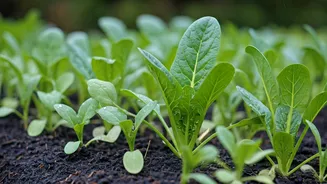
Not all plants are created equal, especially for beginners. Your goal is to pick hardy, forgiving, and high-yield plants that thrive in Indian climates. Forget exotic, fussy vegetables for now. Instead, opt for these reliable winners: * **Herbs:** Mint (pudina), coriander (dhania), and basil (tulsi) are incredibly easy to grow and offer continuous harvests. They need moderate sunlight and regular water. * **Leafy Greens:** Spinach (palak) and amaranth (chaulai) grow quickly in containers and can be harvested multiple times. * **Vegetables:** Green chillies, cherry tomatoes, and brinjal are excellent starting points. They are relatively low-maintenance and produce generously. By choosing these 'champions', you set yourself up for early success, which is the best motivation to continue.
Get the Foundation Right: Soil and Pots
A plant is only as healthy as the home you give it. Don’t just scoop up dirt from the ground. That soil is often heavy, lacks drainage, and can contain pests. Instead, invest in a quality potting mix. You can buy pre-made bags from any nursery, which are a sterile, lightweight blend of cocopeat, compost, and perlite. This provides the perfect balance of aeration, moisture retention, and nutrients, preventing many common problems like root rot. For containers, terracotta pots are excellent as they are porous and allow roots to breathe, but they also dry out faster. Plastic pots are lighter and retain moisture better, making them a good choice if you tend to forget watering. Choose a pot that is appropriately sized for the plant's mature size to avoid having to re-pot too soon.
Hack Your Watering Routine
The daily question of “Did I water the plants?” is a major source of gardening stress. The solution is to make watering less of a chore. For a few pots, the easiest method is the simple finger test: stick your finger an inch into the soil. If it comes out dry, it's time to water. If it's moist, wait another day. This prevents both over- and under-watering. For those with busier schedules or more pots, consider self-watering planters. These containers have a built-in reservoir that provides a steady supply of moisture to the plant's roots. You only need to fill the reservoir once every few days. It's a game-changer for maintaining consistent moisture levels and taking the guesswork out of your routine.
Follow the Sun
Sunlight is food for plants, but their dietary needs vary. Before you place your pots, take a day to observe the light in your chosen spot. Which areas get intense, direct sun for most of the day? Which get gentle morning sun or are shady in the afternoon? Fruiting plants like tomatoes, chillies, and brinjals are sun-lovers; they need at least 5-6 hours of direct sunlight to produce well. Leafy greens and herbs like spinach, coriander, and mint are more delicate. They thrive in areas with 3-4 hours of morning sun but appreciate some shade from the harsh afternoon glare, which can scorch their leaves. Matching the plant to the right light conditions is a simple, one-time setup task that prevents a host of problems down the line.