








The Allure of the Clock
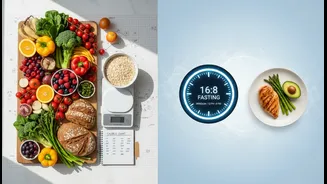
Unlike traditional diets that require meticulous calorie counting or food group restrictions, intermittent fasting presents a simpler proposition: just watch the clock. Popular methods like the 16:8 plan (fasting for 16 hours, eating in an 8-hour window)
or the 5:2 diet (eating normally for five days and restricting calories for two) appeal to those looking for clear, straightforward rules. This approach promises not only weight loss but also improved metabolic health, reduced inflammation, and even better brain function. The appeal lies in its perceived freedom. During eating windows, no foods are technically off-limits, which can feel less restrictive than constant calorie vigilance. This structure seems to offer a path to health benefits without the perceived drudgery of traditional dieting.
The Adherence Hurdle
While the rules of IF are simple, sticking to them is another matter. Research comparing intermittent fasting to continuous calorie restriction shows a mixed picture on adherence. Some studies suggest people are better able to stick with IF protocols, potentially because the structure is easier to follow than daily calorie math. For instance, a 2025 study found that participants in a 4:3 fasting plan had lower dropout rates and lost more weight than those on a daily calorie-restricted diet. However, other long-term studies show that adherence can drop dramatically over time. One trial noted that adherence to a whole-day fasting plan fell from 74% at six weeks to just 22% after a year. Initial side effects like hunger, irritability, and fatigue can make the first few weeks particularly challenging. Ultimately, the "best" diet is the one an individual can maintain, and for many, long-term fasting schedules prove difficult to sustain.
Unpacking the Mental Load
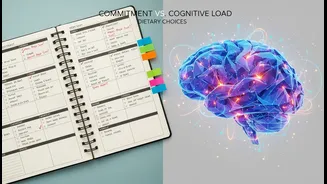
The primary trade-off with intermittent fasting isn't about food, but focus. While you might not be counting calories, you're constantly counting hours. This creates a distinct mental load. Your day becomes structured around an eating window, which requires significant planning and vigilance. Social events become a major hurdle; a spontaneous dinner invitation or a team lunch can throw off your entire schedule. This can lead to social isolation or the stress of constantly explaining your dietary choices. Furthermore, the cycle of restriction can, for some, foster an unhealthy relationship with food, leading to obsessive thoughts or even binge-restrict cycles. Recent research from 2026 even suggests that while IF can produce weight loss similar to calorie counting, it does so through a different psychological pathway, one that may be less burdensome for those who struggle with constant food monitoring.
A Tale of Two Diets
When comparing intermittent fasting to traditional calorie restriction, it’s not about which is “harder,” but which kind of effort you prefer. The mental load of calorie counting involves constant tracking, measuring, and decision-making about every food item. It’s a diet of a thousand small calculations. The mental load of intermittent fasting is logistical and social. It’s about scheduling, managing hunger, and navigating a world where food is always available and socialising often revolves around it. You trade the cognitive burden of food-level analysis for the burden of time-based discipline. Some people find the clean break of a fasting window liberating, while others find the constant clock-watching and social planning more stressful than simply logging their meals. Studies have even shown that while fasting can reduce anxiety for some, the experience of hunger and restriction can increase irritability for others.
Who Is It Really For?
Intermittent fasting is not a one-size-fits-all solution and is not recommended for everyone. Individuals with a history of eating disorders should avoid it, as the restrictive nature can trigger harmful behaviors. It's also generally not advised for pregnant or breastfeeding women, children and teens, or certain individuals with chronic conditions like type 1 diabetes, who require consistent energy and nutrient intake. People with high-stress lifestyles or hormonal changes, such as during perimenopause, may also find that fasting increases fatigue or muscle loss. The ideal candidate for IF is someone who thrives on structure, is not prone to obsessive thinking about food, and has a lifestyle that can accommodate a rigid eating schedule without significant social or professional disruption.