





The Power of Sorghum Flour
Sorghum, known as jowar in India, is a nutritional powerhouse gaining popularity as a healthy alternative to wheat. This ancient grain is naturally gluten-free, making it an excellent choice for those with celiac disease or gluten sensitivity. It is packed
with dietary fibre, which aids digestion, helps manage blood sugar levels by slowing down glucose release, and keeps you feeling full for longer, which can assist with weight management. Jowar is also a rich source of essential nutrients, including iron, magnesium, potassium, and B vitamins. Its antioxidant properties help combat inflammation, and it's considered a 'warming' grain in traditional diets, making it ideal for the colder months.
Winter’s Humble Hero: The Radish
The radish, or mooli, is a quintessential winter vegetable in India, celebrated for its sharp flavour and crunchy texture. Beyond its culinary uses, radish offers significant health benefits, especially during winter. It is high in Vitamin C, which is crucial for boosting the immune system and fending off common colds and flu. The high fibre and water content in radishes aid digestion, prevent constipation, and can help in detoxifying the liver and blood. Furthermore, radishes contain potassium, which helps regulate blood pressure, making them beneficial for heart health. Their natural decongestant properties can also provide relief from respiratory issues that often worsen in cold weather.
A Match Made in the Kitchen
The combination of sorghum and radish in a paratha is a stroke of culinary genius. The dense, slightly earthy flavour of jowar flour perfectly balances the pungent, peppery notes of the radish. Texturally, the moisture from the grated radish helps to bind the gluten-free jowar dough, making it softer and easier to handle. This synergy eliminates the need for other binding agents and results in a paratha that is flavourful, moist, and wholesome. The spices traditionally added, such as carom seeds (ajwain), ginger, and green chillies, not only enhance the taste but also contribute their own digestive and anti-inflammatory properties.
How to Make Sorghum-Radish Paratha
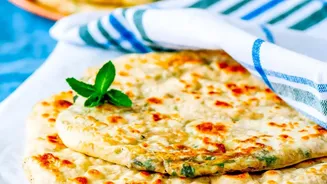
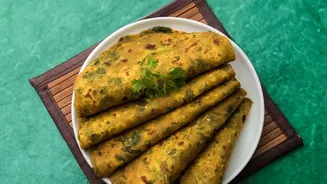
Making these parathas is straightforward. Start by grating a medium-sized radish and squeezing out the excess water; this step is crucial to prevent the dough from becoming too sticky. In a large bowl, combine about one-and-a-half cups of jowar flour with the grated radish. Add finely chopped green chillies, grated ginger, a teaspoon of carom seeds (ajwain), turmeric powder, red chilli powder, and salt to taste. Some recipes also include finely chopped radish leaves for extra nutrition. Knead the mixture into a soft, pliable dough, using hot water as needed. The secret to soft jowar flatbreads is using hot water, which helps to gelatinize the starch in the flour. Divide the dough into equal portions. Place a ball on parchment paper or a plastic sheet and gently press or roll it into a small circle, as jowar dough can crack at the edges. Cook the paratha on a hot tawa (griddle) over medium heat. Cook both sides until light brown spots appear, then brush with a bit of ghee or oil and press gently with a spatula until cooked through.
Tips for Perfect Parathas
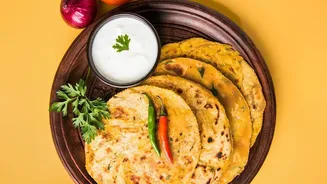
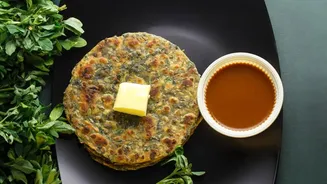
Working with jowar flour can be tricky for beginners since it lacks gluten. For easier rolling, you can add a couple of tablespoons of whole wheat flour to the dough, though this would make it non-gluten-free. Always knead the jowar dough while it is still warm and for at least 4-5 minutes to make it smooth and pliable. If the dough feels too dry, wet your palms with warm water and knead again. Keeping the parathas small, around 4-5 inches in diameter, makes them much easier to handle. These parathas are best served hot, straight from the tawa, accompanied by a side of plain curd, pickle, or a fresh chutney.