





The Two-Fold Tale of Indian Aviation
India's aviation story is one of spectacular growth. We are now one of the world's fastest-growing aviation markets, with ambitious plans for new airports and expanded capacity. This narrative of progress is a source of national pride, symbolizing a connected,
mobile, and aspiring India. Passenger numbers have soared, connecting Tier-2 and Tier-3 cities to the national grid and making air travel more accessible than ever before. Yet, for anyone who has travelled recently from a major metropolitan airport, there is a starkly different reality playing out on the ground: the story of infrastructure struggling to keep pace with ambition. The result is a passenger experience that is often chaotic, stressful, and far from world-class.
Redefining a 'Safe' Waiting Area
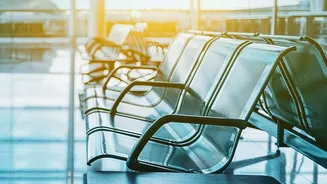
The word 'safe' in an airport context often brings to mind security checks and surveillance. While these are vital, the definition of a safe waiting area must be broader. It must include safety from the crush of uncontrolled crowds, a common sight during peak hours at major hubs. Reports and passenger surveys frequently highlight the sheer discomfort of the terminal experience, from endless queues to a frustrating lack of seating. A waiting area where passengers have to stand for hours, guard their luggage anxiously, and jostle for space is not just uncomfortable; it's fundamentally unsafe. It breeds anxiety and fatigue, turning the pre-flight experience into an ordeal rather than a convenience.
The Disproportionate Burden on Vulnerable Travellers
In a crowded, chaotic terminal, not everyone pays the same price. For an elderly person, a pregnant woman, a parent juggling children and luggage, or a passenger with reduced mobility, the lack of a seat is not a minor inconvenience—it's a significant barrier. While regulations exist to ensure people with disabilities are transported with 'equal comfort and safety,' this principle is undermined by a physical environment that fails to provide the most basic amenities for all. A terminal that feels like a free-for-all offers little dignity or security to those who need it most. Ensuring a safe space for these passengers is a critical measure of our system’s humanity.
The Human Cost of Overcrowding
The focus on expanding runways and adding flights is essential, but it overlooks the human dimension of the journey. High passenger volumes at major airports have naturally led to terminal congestion, baggage delays, and overcrowded spaces, which directly impact customer satisfaction. A survey from 2023 revealed that a staggering 88% of flyers felt that Indian airlines were compromising on passenger comfort. This isn't just about feeling pampered; it's about the basic expectation of a civil and orderly environment. When passengers complain of everything from a lack of clean washrooms to rude staff, it points to a system stretched beyond its limits, where the human element is the first casualty.
From Passenger Management to Passenger Experience
The solution isn't to curb growth, but to reframe our priorities. Airport operators and regulators must shift their focus from simply processing passengers to curating a positive passenger experience. This means investing not just in high-tech security scanners but in fundamental comforts: ample seating, clean facilities, clear communication, and well-managed spaces. The contrast with smaller, quieter airports, which often receive higher satisfaction scores precisely because they lack crowds, is telling. A boarding pass, whether a paper slip or a digital pin, is a promise. It’s a promise of a journey, but it should also be a promise of a safe, dignified, and respectful experience from the moment a passenger enters the terminal.