


The All-Rounder: Cotton
Cotton is the world's most common natural fibre for a reason. Known for its softness, versatility, and breathability, it’s a staple for everything from t-shirts and jeans to formal shirts and bed linens. Its wearability is its greatest strength; it’s comfortable
against the skin and allows air to circulate, making it ideal for everyday wear, especially in warmer climates. However, cotton absorbs moisture and can be slow to dry, which is a drawback for activewear. It is also prone to shrinking in hot water and can wrinkle easily. When it comes to care, cotton is relatively forgiving. For most garments, a normal wash cycle with warm or cold water is sufficient. Using cold water is recommended to prevent shrinkage and preserve colour. While line drying is ideal, especially for the first wash, most cotton items can be tumble-dried on a medium or low setting. With proper care, a high-quality, frequently worn cotton t-shirt can last for several years, while sturdy items like denim jeans or chino pants can endure for five to ten years or more.
The Natural Insulator: Wool
Wool is a natural fibre from sheep and other animals, prized for its exceptional warmth, durability, and resilience. Its fibres have a natural crimp that traps air, creating an insulating barrier that regulates body temperature in both cold and warm conditions. This makes it an excellent choice for sweaters, coats, suits, and base layers. Wool is also naturally moisture-wicking and odour-resistant. On the downside, some people find it itchy, and it can be a target for moths if stored improperly. Care for wool is more demanding than for cotton. Many wool garments are dry-clean only. If machine washing is an option on the care label, always use a cold-water, gentle, or specific wool cycle with a mild detergent. Never use hot water or a high-heat dryer, as this can cause the fibres to felt and shrink irreversibly. Air-drying flat is the best method to help the garment retain its shape. The lifespan of wool is impressive. A well-maintained wool sweater or coat can last for decades, making it a true long-term investment. Thicker knit wool items can last for over 20 years with proper storage and care.
The Delicate Luxury: Silk
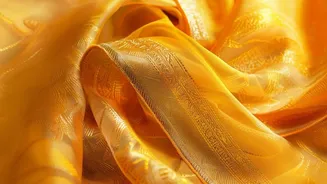
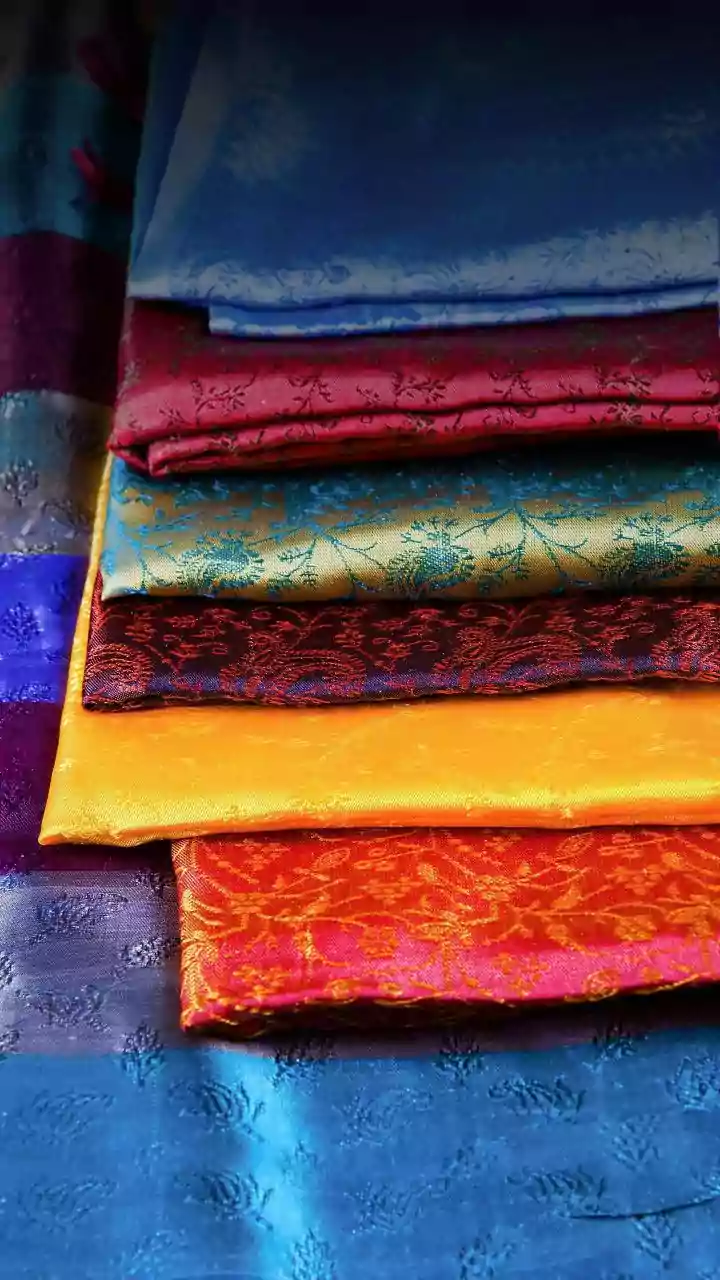
Silk, a natural protein fibre produced by silkworms, is synonymous with luxury. It is incredibly smooth, lightweight, and has a beautiful sheen and drape, making it a favourite for blouses, dresses, and scarves. It’s also a surprisingly good temperature regulator, feeling cool in summer and warm in winter. However, its elegance comes with fragility. Silk is susceptible to damage from sunlight, perspiration, and abrasion. Caring for silk requires a gentle touch. Hand washing in cold water with a mild soap is the safest method. If using a machine, place the item in a mesh bag and use the delicate cycle. Never wring out silk; instead, gently roll it in a towel to absorb excess water before air drying away from direct heat or sunlight, which can weaken the fibres. The longevity of silk is highly dependent on how it's treated. Over-washing and UV exposure are its biggest enemies. While a silk dress worn for special occasions might last 8 to 15 years, a frequently worn item has a shorter lifespan. A silk scarf, which sees less friction and washing, can last for over 15 years.
The Durable Synthetic: Polyester
Polyester is a synthetic, man-made fabric known for its exceptional durability, wrinkle resistance, and colourfastness. It's a workhorse material found in activewear, uniforms, and blends with natural fibres to add strength and reduce the need for ironing. On its own, polyester is not very breathable and can trap heat and moisture, making it less comfortable for all-day wear in hot weather. However, modern performance blends have improved these properties significantly. Care is where polyester truly shines. It is machine washable in warm water, resists shrinking, and dries quickly. It can be tumble-dried on a low heat setting. Its low-maintenance nature makes it a practical choice for busy lifestyles. A garment made from polyester will often outlast its natural-fibre counterparts in terms of pure wear and tear, retaining its shape and colour after many washes. A polyester dress, for example, can handle over 100 wash cycles and last between four to eight years with regular use, though it is prone to pilling over time.