


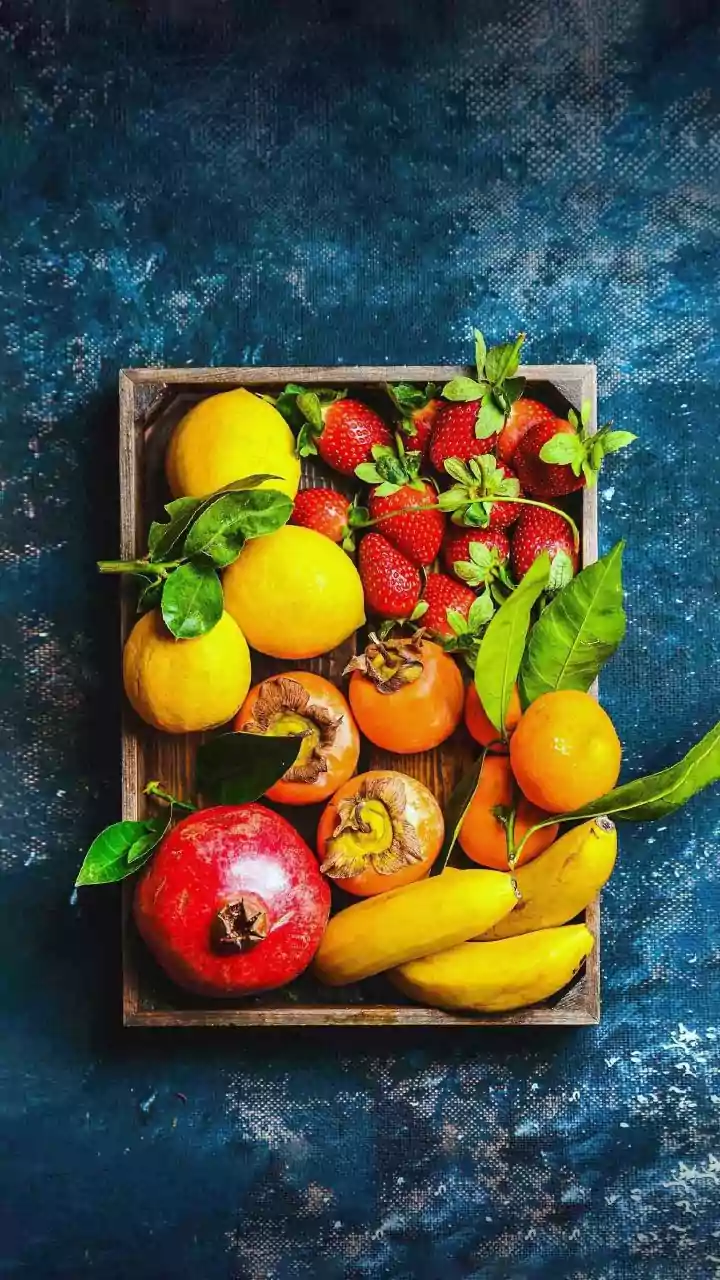





More Than Just a Food Trend
Before there were Instagram influencers and celebrity chefs championing farm-to-table dining, there were grandmothers, priests, and ancient texts. The idea of eating what the land provides, when it provides it, isn't a new-age concept; it’s an ancient practice
deeply woven into the fabric of faith traditions around the world, and especially in India. While the modern wellness movement frames seasonal eating in terms of nutrition and carbon footprints, a growing number of people are discovering its spiritual dimension. This 'faith-led reboot' is less about a diet and more about a discipline—a way to connect with nature, heritage, and a higher sense of purpose through the simple act of eating.
Harvests and Holy Days
Look closely at India’s festival calendar, and you'll find a perfect map of seasonal eating. Festivals like Makar Sankranti, Pongal, Lohri, and Bihu are not just celebrations; they are harvest festivals, marking the culmination of a farming cycle with specific foods. Think of the til (sesame) and gud (jaggery) consumed during Sankranti—both are warming foods perfect for the winter season in which they are harvested and celebrated. Similarly, the fasting foods of Navratri, such as singhare ka atta (water chestnut flour) and kuttu ka atta (buckwheat flour), are light on the digestive system and perfectly timed for the seasonal transition. Even the Iftar meals during Ramzan traditionally begin with dates and water, a practice rooted not only in prophecy but also in the practical wisdom of breaking a long fast with easily digestible, energy-rich foods that were historically available in the region.
A Spiritual Discipline
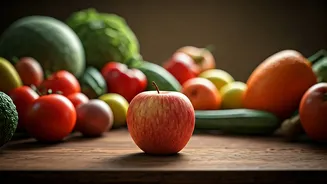
At its core, this approach transforms eating from a purely biological act into a spiritual one. For many, choosing local and seasonal foods is an expression of gratitude for creation and a rejection of the wastefulness of globalised food systems. It’s a practice in mindfulness. When you eat a mango only in the summer, you appreciate its flavour with a unique intensity that comes from months of waiting. This patience and anticipation build a deeper connection to the rhythm of the seasons, which many spiritual traditions view as a reflection of the divine order. Fasting and feasting, central to nearly all faiths, are disciplines that teach self-control, empathy for the hungry, and a profound appreciation for the nourishment that food provides. Eating seasonally is an extension of this discipline into daily life.
The Modern Revival
So why is this ancient wisdom getting a 'reboot' now? The reasons are multifaceted. In our hyper-connected, fast-paced world, there is a growing hunger for authenticity and meaning. Many are tired of the sterile, anonymous nature of supermarket produce that has travelled thousands of kilometres, disconnected from its soil and season. Turning to faith-based traditions offers a holistic framework that connects diet to ethics, community, and ecology. It provides a 'why' that goes beyond just personal health. This revival is also a quiet rebellion against an industrial food system that often prioritises profit over planetary and personal well-being. For many young Indians, exploring the food traditions of their grandparents' generation is a way of reclaiming their identity and finding stability in a rapidly changing world.
Eating with Intention
Adopting this mindset doesn't require strict adherence to religious dogma. It's about embracing the underlying principles. It starts with paying attention: notice what your local vegetable vendor is selling in abundance. Talk to older family members about what they used to eat during different times of the year. Try planning a meal around a single, hyper-seasonal ingredient. By eating with intention, you are not just consuming calories; you are partaking in a cycle of life that is both ecological and spiritual. It’s a simple shift that can bring a profound sense of connection—to your plate, your community, your culture, and the seasons that shape our lives.