






What is a Terrace Cooling Garden?
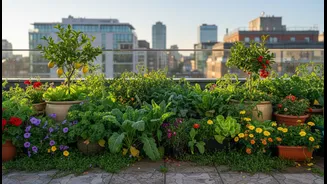
A terrace cooling garden is more than just a collection of pots on a roof. It is a thoughtfully designed green space intended to naturally lower the temperature of the home below it. By covering heat-absorbing concrete with soil and plants, these gardens
create a living layer of insulation. The primary mechanism at play is evapotranspiration, a natural process where plants release water vapour, actively cooling the surrounding air. This effect, combined with the shade provided by the plants, can significantly reduce the 'urban heat island' effect, where cities are noticeably hotter than rural areas. Studies have shown that a green roof can lower surface temperatures by a remarkable margin, making the rooms below more comfortable without relying entirely on air conditioning.
A Natural Air Conditioner
The science behind the cooling is simple yet effective. Concrete and asphalt absorb and retain solar radiation, turning top-floor apartments into ovens. A layer of green cover breaks this cycle. Plants and soil act as a shield, absorbing sunlight for photosynthesis instead of converting it to heat. Through evapotranspiration, a well-planted terrace garden functions like a natural swamp cooler, capable of lowering indoor temperatures by 3 to 5°C. This leads to tangible benefits, including lower electricity bills from reduced air conditioner usage and a smaller carbon footprint. In densely populated cities like Delhi, Mumbai, and Bengaluru, where this trend is flourishing, terrace gardens are becoming a practical, nature-based solution to combat rising urban temperatures.
More Than Just a Cool Breeze
The appeal of a terrace garden extends far beyond temperature control. For many, it's a way to reclaim a connection with nature amidst the urban chaos. Tending to plants is a proven stress-reducer, with studies showing gardening can lower cortisol levels and boost mental well-being. These green spaces also become micro-habitats, attracting birds and pollinators, thereby enhancing local biodiversity. Furthermore, they offer the rewarding experience of growing your own food. Even a small space can yield a steady supply of fresh, chemical-free herbs like mint and coriander, or vegetables like tomatoes and chillies, promoting a healthier lifestyle and reducing grocery bills.
Getting Started This Monsoon
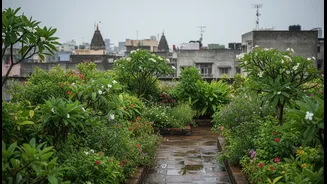
The monsoon is an ideal time to start a terrace garden, as the regular rainfall helps plants establish themselves. However, good planning is crucial. The first step is to ensure your terrace is properly waterproofed to prevent leakage. Consulting a structural engineer about weight capacity is also essential, as wet soil can be very heavy. Opting for lightweight containers like geo fabric grow bags and using a potting mix of cocopeat, compost, and sand can significantly reduce the load. Proper drainage is non-negotiable during the monsoon to prevent waterlogging, which can kill plants. It's best to place pots on stands to allow water to flow away freely. Start with hardy, monsoon-friendly plants to build your confidence before moving on to more delicate varieties.