








The Stand-Up Solution's Setbacks
The rise of the standing desk was built on a solid premise: prolonged sitting is linked to a host of health issues, including heart disease and diabetes. Companies and employees alike invested heavily in adjustable workstations, envisioning a healthier,
more dynamic office. The initial reports were positive, with many users feeling more alert and energetic. However, the reality of standing for eight hours a day quickly set in. Many found that simply swapping one static posture for another introduced new problems, such as leg pain, back strain, and fatigue. Studies have since confirmed these anecdotal experiences, finding that prolonged standing can lead to its own set of health concerns, including circulatory issues like varicose veins, with little evidence of major cardiovascular benefit. It turns out the human body isn't designed to stay still, whether sitting or standing.
From Static Postures to Active Movement
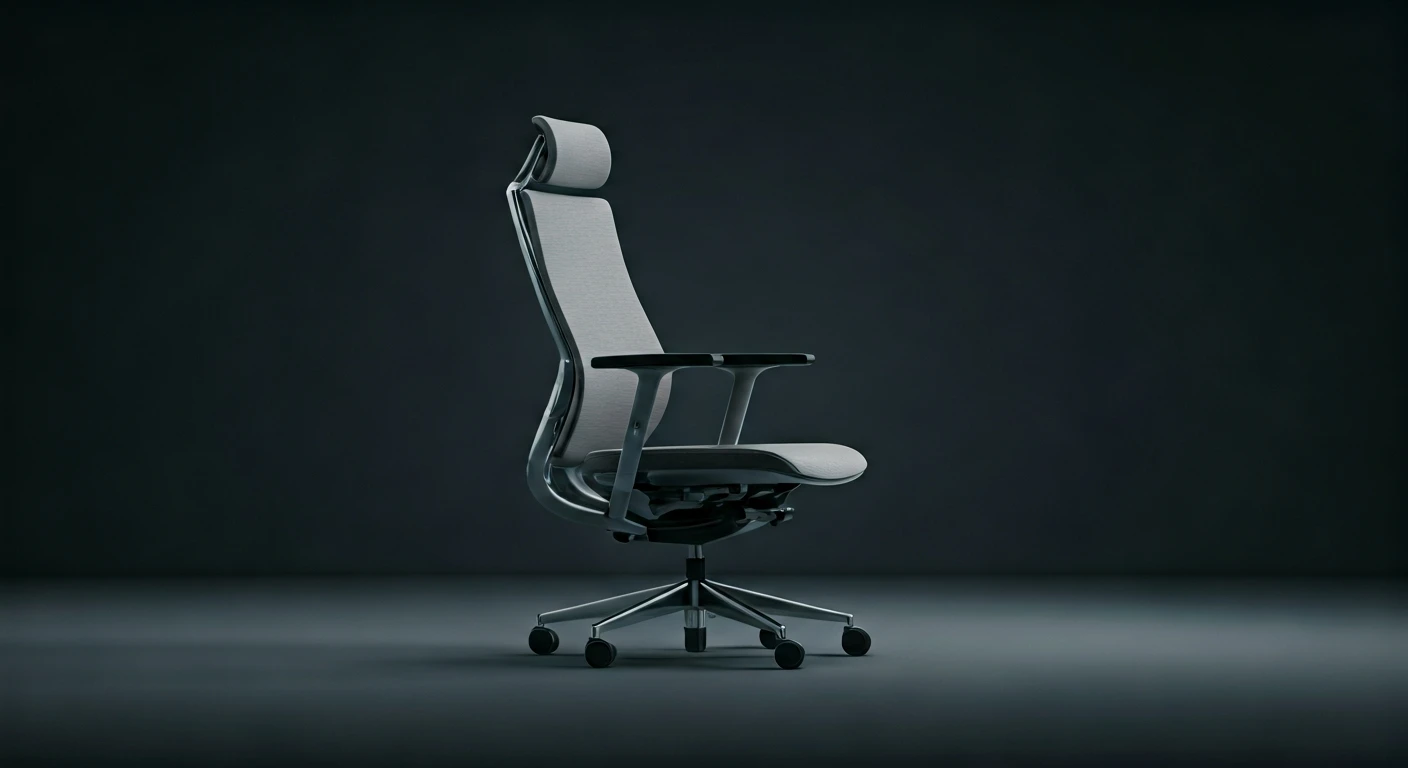
This realization has ushered in a new chapter in office ergonomics, one focused not on position, but on motion. The new buzzword is “active” or “dynamic” sitting. This concept encourages using chairs and stools that allow for subtle, constant movement while seated. These tools, from balance stools to chairs with flexible seats, engage core muscles and promote better circulation by allowing the body to shift and adjust naturally. The core idea is that the best posture is your next posture. Instead of demonizing sitting, the goal is to break up long, static periods in any position. The focus has shifted from a binary choice between sitting and standing to a more holistic approach that integrates regular, varied movement throughout the workday.
Building the Modern Movement-Friendly Workspace
So what does the ideal setup look like now? It's less about a single piece of miracle furniture and more about creating an environment that encourages activity. Sit-stand desks are still valuable, but not for standing all day. Their true benefit lies in allowing workers to easily alternate between postures every 30 to 60 minutes. Experts now recommend a rhythm: sit for a while, stand for a while, and, most importantly, move around. Taking short walking breaks, stretching, or even having walking meetings are becoming integral parts of corporate wellness strategies. Companies are also investing in a wider range of ergonomic accessories like monitor arms, footrests, and laptop risers to ensure that both sitting and standing postures are as healthy as possible. This is part of a broader trend in employee wellness that prioritizes flexibility and personalized solutions over one-size-fits-all mandates.
The Indian Office Context
In India's bustling corporate hubs, where long hours at a desk are common, this evolution is particularly relevant. As modern offices from Bengaluru to Gurugram adopt global wellness trends, the focus is shifting from merely providing a gym to integrating health into the workday itself. The reality check on standing desks means companies can invest smarter. Instead of a standing desk for every employee, the new approach might involve creating varied work zones: traditional desks, shared standing-desk areas, and comfortable lounges that allow for different postures and collaboration styles. The key is promoting a culture where taking a short walk or a stretching break is seen not as a distraction, but as a crucial part of maintaining productivity and well-being. This shift acknowledges the reality of high-pressure work environments while providing sustainable, low-cost ways to improve employee health.