



Cashew Paste: The Ultimate All-Rounder
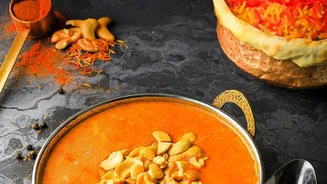
Cashew paste is the secret weapon in many restaurant kitchens for creating exceptionally rich gravies. Its popularity stems from its wonderfully neutral yet slightly sweet flavour, which enriches a curry without overpowering the spices. To make it, simply
soak raw cashews in hot water for at least 30 minutes, then blend them with a little fresh water until you have a silky-smooth paste. This versatile cream substitute is perfect for North Indian staples like a dairy-free 'butter' chicken, korma, or any dish where you desire a thick, opulent sauce without a competing flavour. For an even richer base, some recipes boil onions along with the cashews before blending.
Coconut Milk: The Coastal Classic
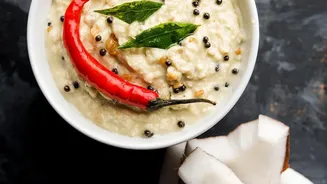
Coconut milk is a cornerstone of coastal Indian cuisine, particularly in Kerala, Goa, and parts of Karnataka and Tamil Nadu. It lends a distinct, mildly sweet and tropical flavour that beautifully balances tangy and spicy notes from ingredients like tamarind and chilli. Full-fat canned coconut milk will provide the richest, creamiest result, ideal for dishes like Goan fish curry, Kerala's vegetable stews, and a variety of South Indian preparations. While it has a more pronounced flavour than cashew paste, it’s an authentic and delicious way to create creamy textures, especially in southern-style dishes. You can use a lighter coconut milk for a less fatty but still creamy result.
Seed Pastes: The Traditional Thickeners
For a truly traditional approach, especially in Mughlai-influenced cuisine, pastes made from seeds are a go-to for adding body and richness. A combination of white poppy seeds (khus khus) and melon seeds (magaz) is classic. These seeds are soaked in water and then ground into a fine paste. The resulting thickener has a nutty, earthy flavour that forms the base of many exquisite white gravies and kormas. While poppy seeds can be difficult to grind, briefly dry roasting them before soaking can make the process easier. This method offers a unique texture and depth of flavour that is entirely distinct from nut or coconut-based creams.
Almond Paste: A Nutty Alternative
Similar to cashews, almonds can be transformed into a creamy paste. For the smoothest, palest result, it's best to use blanched almonds that have had their skins removed. Soaking them before blending helps to soften them for a creamier consistency. Almond paste can be used in many of the same applications as cashew paste, such as in kormas or other rich gravies. It has a slightly more pronounced nutty flavour than cashews but works beautifully to thicken and enrich a dish, providing a healthy dose of good fats.
Silken Tofu: A Neutral Protein Boost
For a surprisingly effective and protein-rich creamer, blended silken tofu is an excellent choice. Its texture is naturally custardy and soft, and it blends into a smooth, yogurt-like consistency. The main advantage of silken tofu is its completely neutral flavour profile, which allows the spices of the curry to remain the star of the show. It won’t disrupt the delicate balance of your masala. Simply blend a block of silken tofu with a small amount of liquid—like water or broth—until it's perfectly smooth, and then stir it into your curry near the end of cooking, just as you would with dairy cream or yogurt.
Onion and Tomato: The Foundation of Flavour
Sometimes, the secret to a creamy-tasting curry isn’t an added ingredient, but the technique itself. The foundational Indian method of slowly sautéing onions until deeply browned and soft, then adding tomatoes and cooking them down until the oil separates, creates a thick, luscious base known as a masala. When this base is pureed, it can provide a remarkable silkiness and body to dishes like chana masala or rajma without any nuts or creams. This fundamental cooking process builds a deep, savoury flavour and a naturally thick texture that is the heart of countless Indian gravies.