





Why Fibre is a Game-Changer
Dietary fibre is a type of carbohydrate that our bodies can't digest, but it's crucial for our health. It comes in two forms: soluble and insoluble. Soluble fibre, found in oats, beans, and some fruits, dissolves in water to form a gel-like substance
that helps lower cholesterol and blood sugar levels. Insoluble fibre, found in whole grains and vegetables, adds bulk to stool and helps prevent constipation. The Indian Council of Medical Research recommends 25-40 grams of fibre daily, but many urban Indians consume much less. A high-fibre diet is linked to a lower risk of chronic diseases like heart disease and diabetes, better weight management, and improved gut health.
Embrace Wholesome Grains
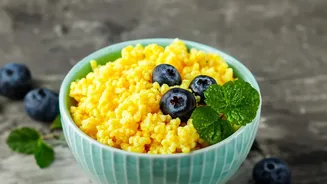
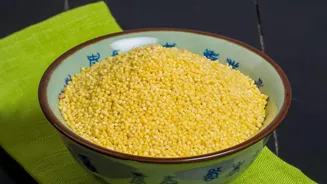
One of the easiest switches is moving from refined grains to whole grains. Instead of white rice and maida-based products, opt for whole wheat atta, brown rice, and millets. Millets like jowar (sorghum), bajra (pearl millet), and ragi (finger millet) are traditional powerhouses of nutrition. They are packed with fibre, often containing 2-3 times more than refined wheat or rice, which aids in slower digestion and better blood sugar control. Try swapping one regular roti with a jowar or bajra bhakri, or mix millets into your dosa batter. Even starting by mixing brown rice with your regular white rice can make a significant difference.
Power Up with Pulses
Pulses, including dals (lentils), beans, and peas, are a cornerstone of Indian cuisine and an excellent source of both protein and fibre. Including a dal like masoor, toor, or moong with every main meal is a simple way to boost your fibre intake. Legumes like rajma (kidney beans) and chana (chickpeas) are particularly high in fibre. Think beyond the curry; add boiled chana or sprouts to salads, make a vegetable-filled moong dal cheela for breakfast, or enjoy roasted chana as a snack instead of fried alternatives. Sprouted pulses have an even higher nutritional content.
Colour Your Plate with Vegetables
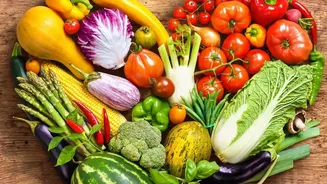
Vegetables should fill a significant portion of your plate at every meal. India offers a bounty of fibre-rich vegetables that can be easily incorporated into your diet. Leafy greens like spinach (palak) and fenugreek (methi) are excellent choices. Other vegetables like okra (bhindi), carrots, sweet potatoes, and green peas are also packed with fibre. Don't be afraid to be generous with vegetables in your sambar, sabzis, and curries. Adding a simple kachumber salad (chopped cucumber, tomato, onion) to your lunch or dinner is another effective strategy to increase your intake of raw vegetable fibre.
Make Fruit Your Go-To Snack
Whole fruits are a fantastic source of dietary fibre, vitamins, and antioxidants. It's important to eat the fruit rather than just drinking its juice, as juicing removes most of the beneficial fibre. Fruits like guava, apples, pears (with the skin on), papayas, and bananas are excellent high-fibre options readily available in India. A whole fruit makes for a perfect mid-meal snack that provides sustained energy and keeps you full for longer, helping to curb cravings for unhealthy processed foods. Aim to include a variety of seasonal fruits in your daily diet for maximum benefits.
Simple Swaps for a High-Fibre Day
Incorporating more fibre doesn't have to be complicated. Start with small, manageable changes. For breakfast, swap a slice of white bread for a bowl of oats or a ragi dosa. At lunch, ensure you have a katori of dal and a generous portion of sabzi alongside your whole-grain roti or brown rice. For your evening snack, replace biscuits with a handful of roasted chana or an apple. Remember to increase your water intake as you increase your fibre consumption, as water helps the fibre move smoothly through your digestive system.