
A Trio of Celestial Encounters
September 2026 offers a special treat for sky-watchers as three of the sky's most captivating objects appear to draw close to one another. Over several evenings, the slender crescent Moon will journey past the dazzling planet Venus and the ruby-red star
Antares. While they appear close from our vantage point, these objects are, of course, separated by immense distances. Venus is our planetary neighbour, while Antares is a distant star hundreds of light-years away. This series of apparent meetings, or conjunctions, provides a wonderful opportunity to appreciate the scale and beauty of our solar system and the galaxy beyond.
Meet the Stars of the Show
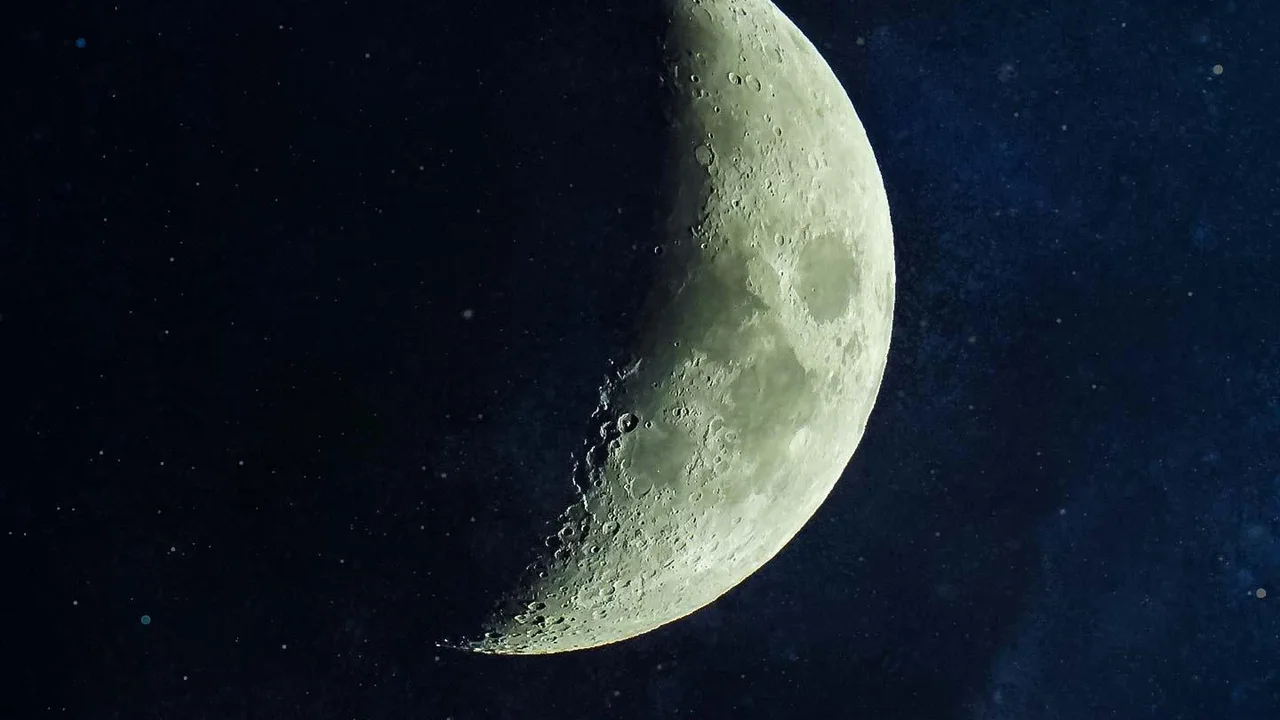
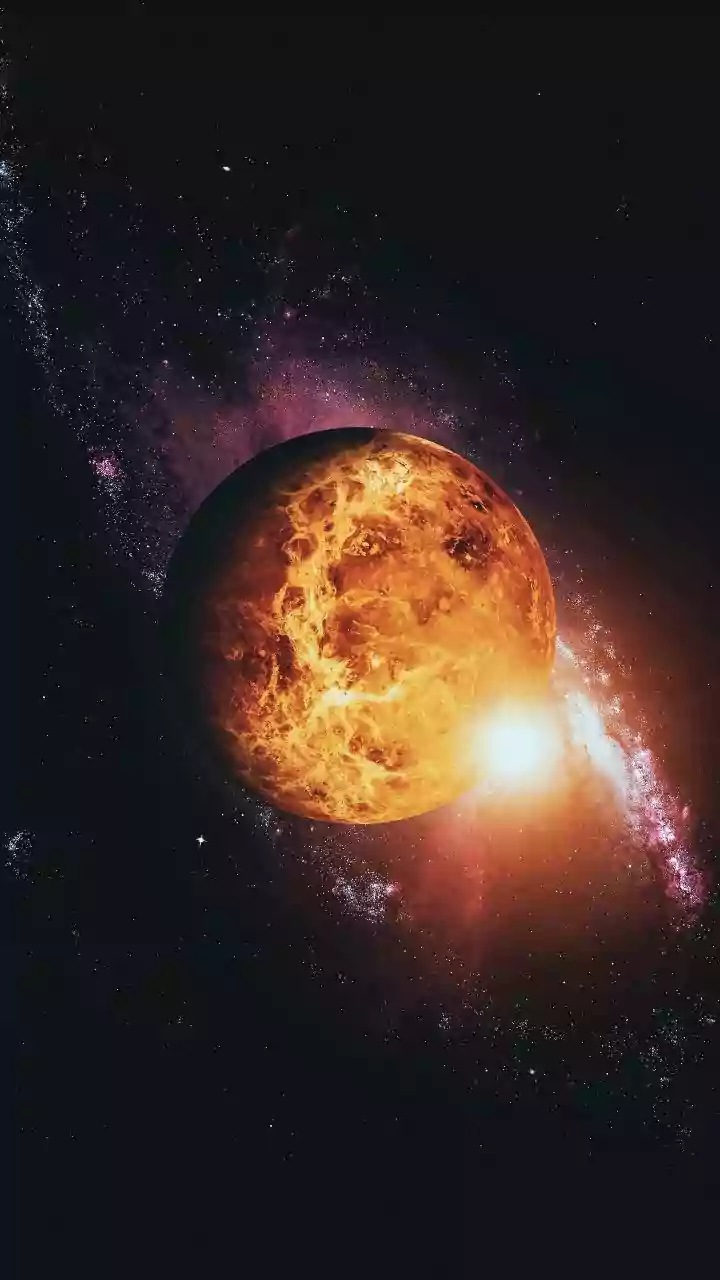
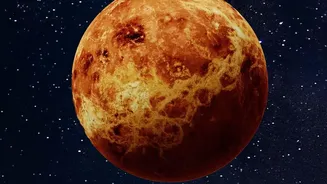
Each member of this trio is a spectacle in its own right. Venus, often called the “Evening Star,” will be unmissable. It shines not by its own light but by reflecting sunlight off its thick, dense clouds. In September, Venus reaches its peak brightness for the year, appearing as a brilliant, steady beacon in the western sky after sunset. Antares, whose name means “rival of Mars” due to its reddish hue, is a red supergiant star often referred to as the heart of the constellation Scorpius. It is one of the largest stars visible to the naked eye; if it were placed where our Sun is, its outer edges might reach past the orbit of Mars. The Moon, a familiar friend, will be a waxing crescent, its delicate sliver of light adding to the elegance of the scene.
Your Viewing Guide: When and Where to Look
The celestial dance unfolds over several nights in mid-September. The key is to look low toward the western and southwestern horizon about 30 to 60 minutes after sunset. On September 14, you can spot the thin crescent Moon pass close by the exceptionally bright Venus, making for a stunning pair. Then, from September 14 through 20, you can watch as the Moon continues its journey, passing near the bright, reddish star Antares around September 17 and 20. The exact view will change each night as the Moon moves against the background stars. No special equipment is needed, but the sight will be low on the horizon, so a clear view to the west is essential.
Tips for the Best Experience
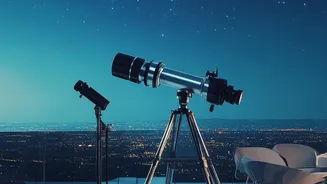
To make the most of this event, find a location with an unobstructed view of the western horizon, away from tall buildings and bright city lights. Give your eyes at least 15 minutes to adapt to the darkness; this will help you see the colours and details more clearly. While Venus and the Moon will be obvious, spotting the colour of Antares might take a moment of adjustment. You won't need a telescope, as the beauty of this event is in the wide-field view of the objects together. However, a pair of binoculars can enhance the experience, potentially revealing the crescent shape of Venus and making the red tint of Antares more pronounced.
More September Sky-Watching Highlights
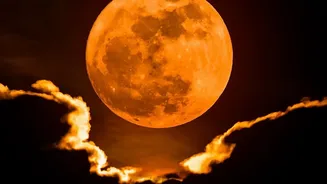
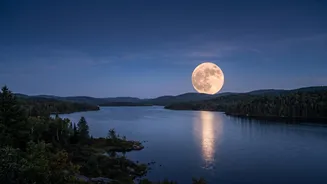
The celestial show doesn't end there. September 2026 is a busy month for astronomy. The September equinox on September 22 marks the official start of autumn in the Northern Hemisphere. The Full Harvest Moon will rise on September 26, appearing particularly large and orange near the horizon. That same night, the planet Saturn will be visible near the Moon. For those who wake up early, Mars and Jupiter can be seen in the pre-dawn sky throughout the month.