




What Are Compression Bags?
At their core, compression bags are simple but ingenious travel accessories designed to reduce the volume of soft items like clothing. By removing excess air, they shrink bulky garments into a smaller, more manageable size. There are generally two types:
vacuum-seal bags, which require a pump or a vacuum cleaner to suck the air out, and the more travel-friendly manual versions that you simply roll or press to push the air out through a one-way valve. For cabin luggage, the manual roll-up bags are king, offering maximum convenience without needing extra equipment.
The Space-Saving Miracle
The most revolutionary benefit is, without a doubt, the incredible amount of space you save. A single compression bag can reduce the volume of your clothes by up to 60%. Think about that bulky fleece, your favourite pair of jeans, or the seven T-shirts you need for the week. Once compressed, they occupy a fraction of their original space, freeing up valuable real estate in your cabin bag for shoes, toiletries, or even souvenirs. Tests have shown that a pile of clothes that struggles to fit into a carry-on can be shrunk to about half its size, leaving plenty of room to spare. This allows travellers who might typically check a bag to comfortably switch to carry-on only.
A New Level of Organisation
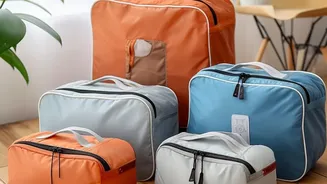
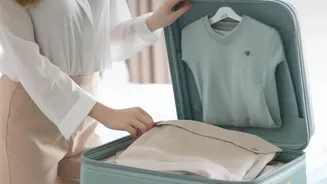
Beyond just saving space, compression bags are a powerful tool for organisation. You can use different bags to categorise your packing. For instance, dedicate one bag for tops, another for bottoms, and a third for underwear and socks. This system not only keeps your suitcase tidy but also makes finding specific items a breeze without having to unpack everything. Many savvy travellers also bring an empty compression bag to separate dirty laundry from clean clothes during their trip, which helps keep odours contained and makes unpacking at home much simpler.
The Wrinkle Question
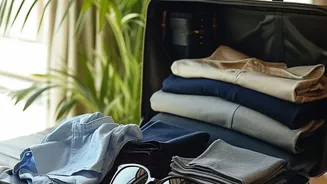
The biggest trade-off with compression is the potential for wrinkles. Squeezing the air out of clothes inevitably leads to some creasing, especially with fabrics like linen or crisp dress shirts. However, for most casual holiday wear like T-shirts, jeans, and jumpers, the wrinkles are often minimal and fall out after being worn for a short while. To minimise creasing, experts recommend tightly rolling your clothes before placing them in the bag, which helps avoid sharp fold lines. For delicate items, it’s best to fold them carefully or skip compression altogether.
A Word of Warning: The Weight Limit
Compression bags are fantastic for saving space, but they don’t magically reduce weight. It’s a common mistake for first-time users to get so excited about how much they can fit that they forget about airline weight restrictions. A compressed bag full of jeans and sweaters can quickly become a dense, heavy brick that tips your carry-on over the limit, resulting in unexpected fees at the gate. Always weigh your bag after packing to ensure you’re within your airline's allowance. The goal is to pack smarter, not just heavier.
Best Practices for Packing
To make the most of your compression bags, follow a few simple rules. First, wear your bulkiest items like coats and boots on the plane to save maximum space in your luggage. When filling the bags, roll casual clothes to reduce wrinkles and fold bulkier items neatly. Don't overfill a single bag, as this can strain the zippers and make it difficult to get an even compression. Use a combination of large bags for sweaters and smaller ones for shirts or underwear to create modular 'bricks' that you can arrange neatly inside your suitcase, almost like a game of Tetris.