
The Softest Bread You’ll Ever Taste
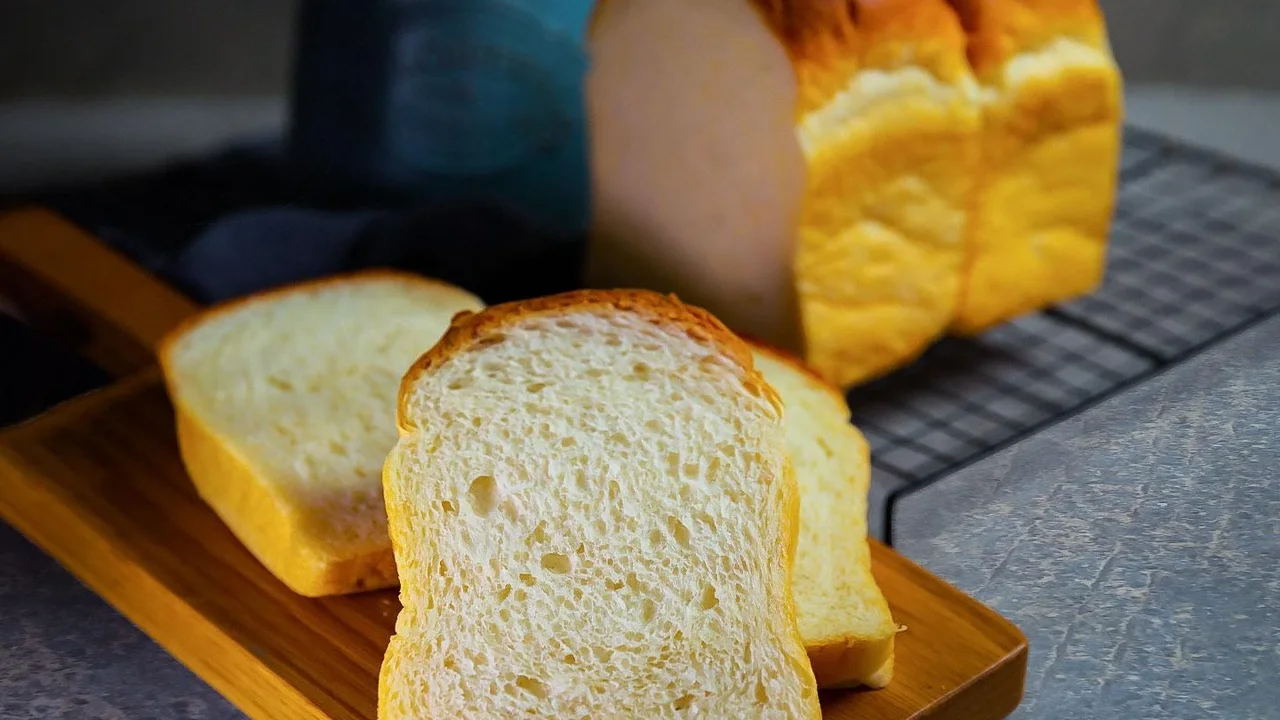
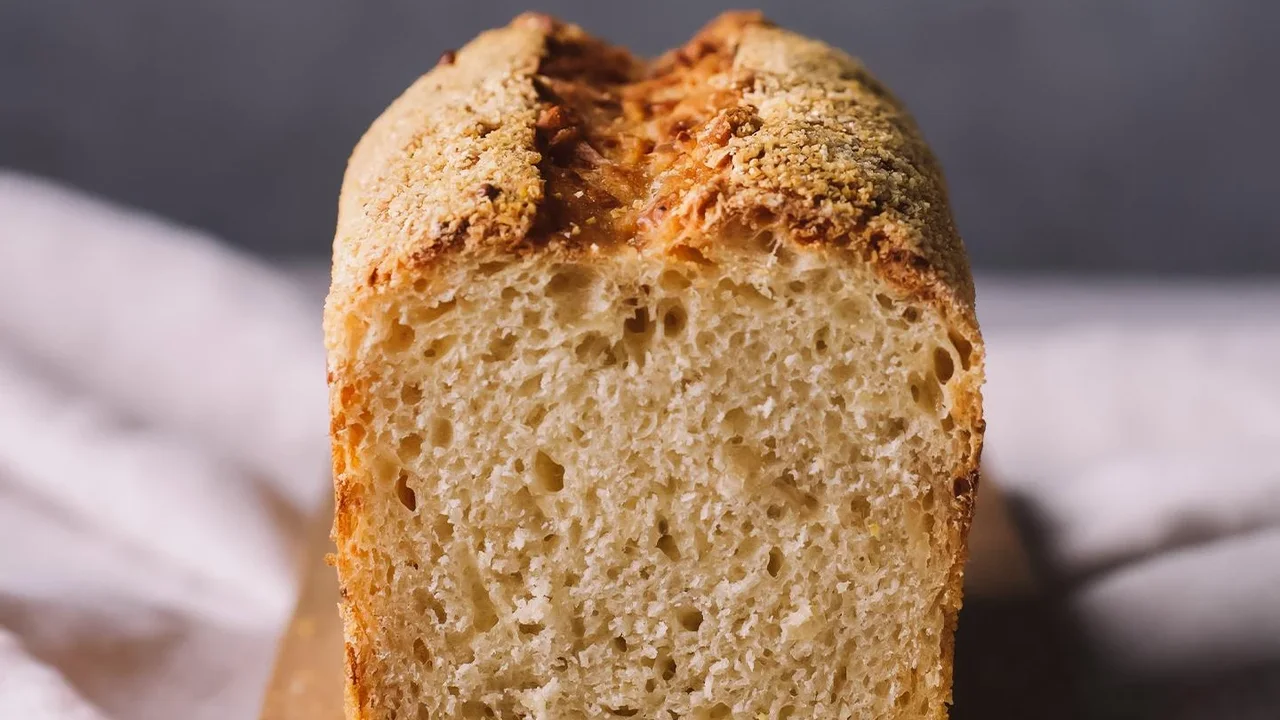
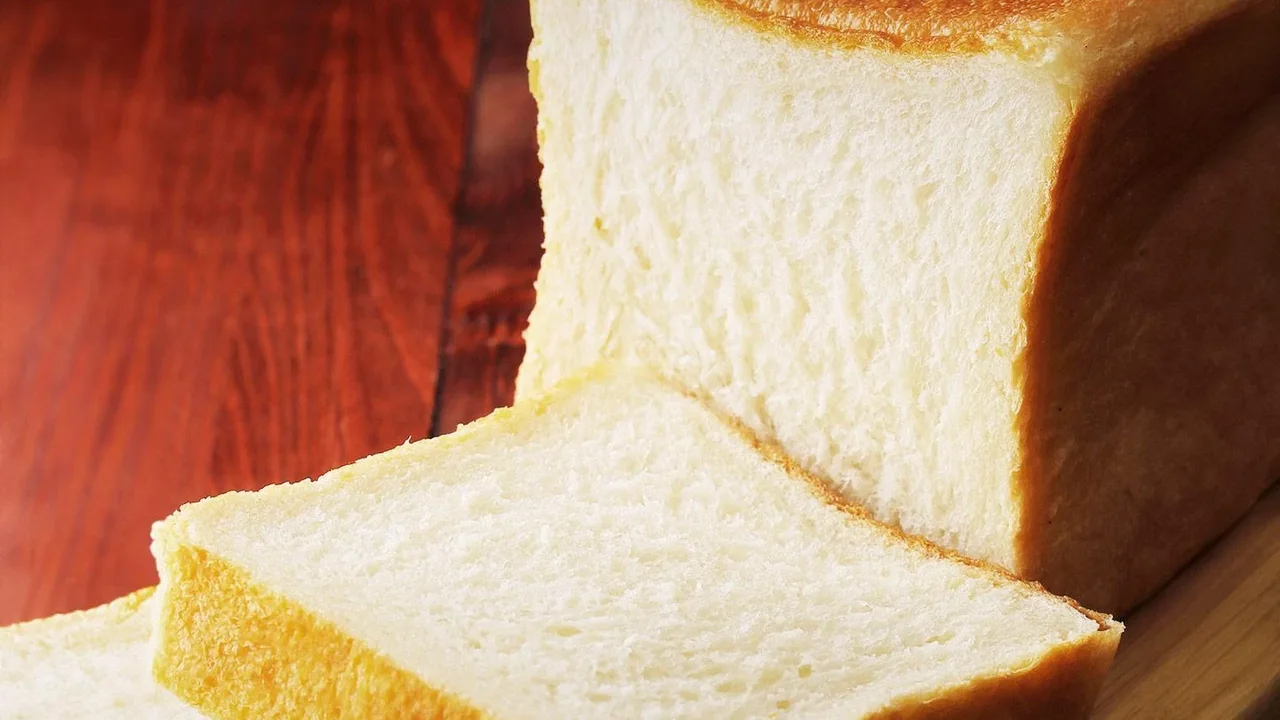
Imagine a bread with the richness of brioche but a texture that’s lighter, moister, and almost ethereal. That’s Japanese milk bread. Known as 'shokupan' in Japan, its defining characteristics are a feather-light interior, a subtly sweet flavour, and a remarkable
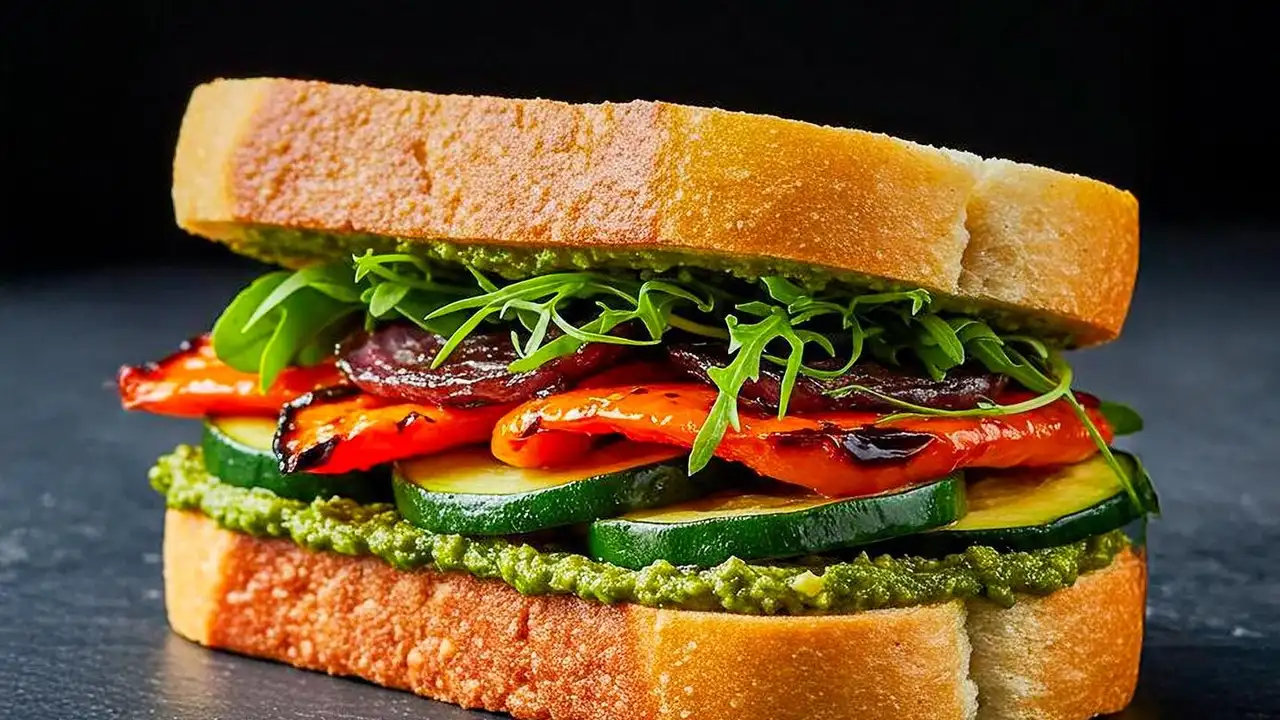
ability to stay fresh for days. The crust is typically thin and tender, not crunchy, making the entire loaf a soft, satisfying experience. It’s incredibly versatile, serving as the perfect base for sandwiches (both sweet and savory), decadent toast, or simply enjoyed on its own with a smear of butter. Its iconic, perfectly square shape or domed mountain-like top makes it as visually appealing as it is delicious, contributing to its photogenic rise in popularity.
The Secret: A Scientific Baking Technique
The magic behind milk bread’s incredible softness lies in a special method called tangzhong or yudane. Both techniques involve pre-cooking a small portion of the recipe's flour and liquid (water or milk) to create a thick paste or roux. This process, known as pre-gelatinization, allows the starch in the flour to absorb and hold onto more moisture. When this paste is added to the main dough, it results in a bread that is not only exceptionally soft and moist but also has a longer shelf life. The dough becomes more stable and easier to handle, rising higher in the oven. While the yudane method originated in Japan and uses a 1:1 ratio of flour to boiling liquid, the tangzhong method, popularized in Taiwan, typically uses a 1:5 ratio and is cooked on a stovetop. Both achieve a similar pillowy result that defines shokupan.
A Brief History of a Modern Staple
While bread might seem quintessentially Western, shokupan is a distinctly Japanese creation. Bread itself isn't a traditional part of the Japanese diet, but it gained a foothold after World War II. American aid included shipments of wheat, and a preference for bread among service members prompted Japanese bakers to innovate. They developed a soft, white loaf that appealed to local palates, and shokupan was born. Some accounts trace its earlier influences to the late 19th century when British bakers introduced loaf pans to Japan. Over the decades, it has evolved from a simple commodity into an artisanal product, with bakeries priding themselves on using high-quality ingredients like rich Hokkaido milk to perfect their loaves.
Why the Sudden Global Obsession?
So why is everyone talking about milk bread now? Several factors are contributing to its global moment. The rise of home baking, supercharged in recent years, has led many to seek new and challenging recipes, and the unique technique of milk bread offers a rewarding project. Furthermore, its incredible texture is a showstopper on social media platforms like Instagram and TikTok, where the 'bread pull'—gently tearing a slice apart to reveal the wispy, cotton-like interior—has become a viral trend. Foodies and professional chefs alike are drawn to its superior quality for making everything from elevated grilled cheese sandwiches to French toast. Its subtle sweetness and rich but light crumb make it a more complex and satisfying alternative to standard sandwich bread.