








The UDAN Effect: Flying to the Unseen
For years, many of India's most scenic and culturally rich regions remained just off the map for the average traveller, hindered by long and arduous road or rail journeys. This has changed dramatically with the government's Regional Connectivity Scheme,
UDAN (Ude Desh ka Aam Naagrik). Launched in 2016, the scheme has been pivotal in operationalising airports in previously unserved or underserved areas. As of 2026, the country's airport network has expanded significantly, with new or upgraded airports in places like Kishangarh (Rajasthan), Tezu (Arunachal Pradesh), and Purnea (Bihar). This infrastructure push has slashed travel times from major cities, turning what was once a multi-day expedition into a manageable weekend trip. For city-based youth, this means destinations that were once aspirational are now accessible, opening up a new frontier for exploration.
A New Generation of Travellers
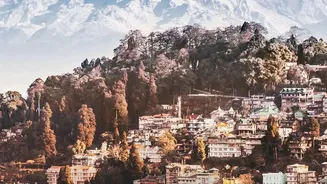
The rise of regional airports has coincided with a profound shift in what young Indian travellers, particularly millennials and Gen Z, seek from their holidays. This generation is moving away from cookie-cutter itineraries and towards authentic, immersive experiences. They are driven by a desire to connect with local culture, discover 'hidden gems', and escape the pressures of urban life. This trend, sometimes called 'micro-tourism', prioritises shorter, more frequent trips to less crowded destinations. The influence of social media also plays a significant role, with the visual appeal of serene landscapes and unique local life in places like the tea gardens of Munnar or the homestays of Himachal Pradesh driving interest. These travellers often prefer homestays and boutique guesthouses over large hotels, seeking a more personal connection with the places they visit.
Small Towns, Big Opportunities
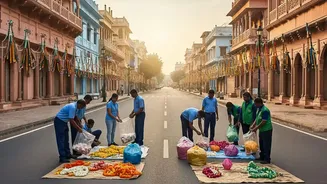
The influx of young, curious travellers is creating a vibrant economic ripple effect in small towns across the country. The demand for authentic accommodation has fuelled a boom in homestays, providing a direct source of income for local families. This has encouraged a new wave of entrepreneurship, with residents opening quaint cafes, craft shops, and businesses centred around experiential activities like farm tours, trekking, and local workshops. Government support has also helped formalise this sector, making it easier for local hosts to upgrade their facilities. As a result, towns that were once dependent on agriculture or other traditional industries are now diversifying their economies through tourism. This not only creates jobs but also helps preserve local culture and heritage, as it becomes a valuable asset to be shared with visitors.
Beyond the Golden Triangle
This synergy between improved connectivity and changing travel tastes is fundamentally reshaping India's tourism landscape. For decades, the focus was on a few well-trodden circuits. Now, tourism is becoming more distributed and sustainable. The rise of destinations like Varanasi, Rishikesh, and various locations in the Northeast among young travellers shows a broadening of interests beyond traditional hotspots. This dispersal helps alleviate the pressure on overcrowded major tourist sites while spreading the economic benefits of tourism more evenly across the nation. It represents a move towards a more conscious form of travel, where visitors are not just consumers but active participants in the local ecosystem. The trend indicates a future where the heart of Indian tourism beats not just in its famous monuments, but in the lively, welcoming streets of its myriad small towns.