




The Great Un-Tidying
For the better part of a decade, the aspirational home was a temple of minimalism. Inspired by the likes of Marie Kondo, we were told to declutter, to keep only what ‘sparks joy,’ which often resulted in sparse, gallery-like spaces with clean white walls
and very little personality. But trends, like pendulums, always swing back. We are now in the midst of a collective aesthetic shift, a rebellion against the cold and impersonal. Enter ‘bookshelf wealth,’ a design philosophy that champions the beauty of lived-in, layered, and intellectually stimulating spaces. The home is no longer a showroom but a sanctuary, a reflection of a rich inner life. And what better way to signal that richness than with shelves overflowing with stories, ideas, and knowledge?
Signaling Intelligence, Not Logos
In an age of quiet luxury, where overt branding is seen as gauche, bookshelf wealth has become the ultimate subtle flex. It’s a status symbol that doesn’t scream its price tag. Instead, it whispers of intellectual curiosity, of time spent in quiet contemplation, and of a life of learning. A curated collection of books on art, history, philosophy, and travel tells a more compelling story about a person than a designer handbag ever could. It suggests depth. In celebrity home tours, from Dakota Johnson’s lime-green kitchen to Kendall Jenner’s art-filled space, the most scrutinised and admired features are often the bookshelves. They offer a rare, seemingly unfiltered glimpse into the owner’s mind, making them feel more relatable and, ironically, more aspirational.
What 'Bookshelf Wealth' Actually Is
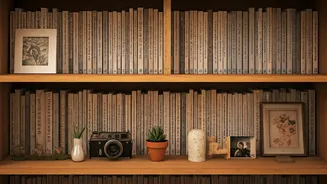
The term, which gained massive traction on TikTok, can be misleading. It’s not about having the most expensive rare editions or hiring a decorator to buy books by the metre to fill your shelves (a practice widely seen as the peak of inauthenticity). True bookshelf wealth is about showcasing a collection that has been organically grown over time. It’s about the artful chaos of books stacked horizontally and vertically, the comfortable mix of dog-eared paperbacks and glossy hardcovers, and the personal mementos tucked in between. The books aren't just props; they have been read, loved, and absorbed. The 'wealth' isn't monetary, but cultural and personal. It’s a library that tells the autobiography of its owner.
Authenticity vs. The Aesthetic
Naturally, with any trend comes the question of authenticity. Critics are quick to point out that one can easily buy an impressive-looking library for purely decorative purposes. This has led to a fierce online debate: can you have bookshelf wealth if you haven’t read the books? The consensus is a resounding no. The aesthetic relies on the feeling that the collection is genuine. A shelf of pristine, colour-coordinated books often reads as staged, whereas a slightly messy, diverse collection feels real. This trend isn’t about pretending to be a reader; it’s about celebrating the act of reading. The goal is to create a space that encourages you to pick up a book, not just admire its spine.
Creating Your Own Literary Haven
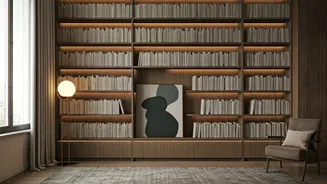
The good news is that this is one of the most accessible design trends. It doesn't require a huge budget, only time and curiosity. It starts with resisting the urge to make everything look perfect. Let your collection breathe. Mix genres, sizes, and formats. Integrate art, photos, and travel souvenirs among the books to tell a richer story. The key is to create a comfortable, inviting atmosphere. Think of a cozy armchair pulled up to the shelves, a warm reading lamp, and a soft throw blanket. The aim is to build a nook that serves as a retreat from the digital noise of the outside world—a personal haven for thought and imagination.