



Embrace the Seasonal Shift
October in India marks a significant transition. The retreat of the monsoon ushers in lower humidity and more pleasant temperatures, making outdoor activities like running, cycling, and walking more enjoyable. However, this period also brings its own
set of challenges. Daylight hours shorten, meaning morning and evening workouts may be in low-light conditions. In many northern cities, this post-monsoon period is also synonymous with a sharp decline in air quality, as lower temperatures and calm winds trap pollutants like PM2.5 close to the ground. Understanding these environmental changes is the first step in adapting your routine to work with the season, not against it.
Rethink Your Workout Timing
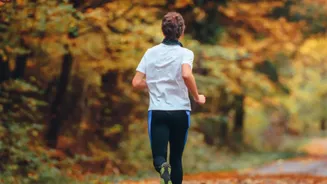
The best time to exercise now depends on balancing temperature, light, and air quality. Early morning workouts, between 5 a.m. and 8 a.m., offer cooler temperatures and less intense sun. This can be ideal for boosting energy and regulating your body clock. However, with shorter days, visibility becomes a safety concern. Evening workouts, perhaps between 6 p.m. and 9 p.m., are another option as temperatures cool down after the day's peak. The critical factor, especially in urban areas, is air quality. During periods of high pollution, exercising outdoors causes you to inhale significantly more pollutants due to a higher breathing rate. Experts advise checking the Air Quality Index (AQI). If the AQI is above 150-200, it's safer to reduce the intensity of your outdoor workout or move it indoors to avoid respiratory and cardiovascular strain.
Master the Art of Layering
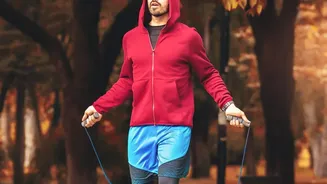
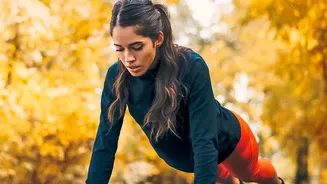
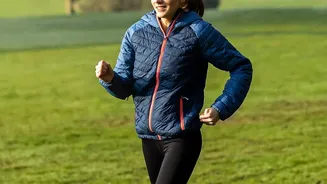
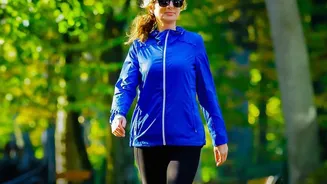
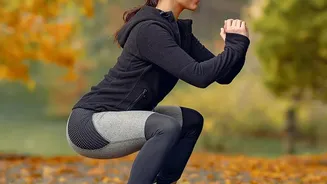
Dressing in layers is the most effective strategy for managing fluctuating temperatures during an autumn workout. The goal is to stay warm without overheating. Start with a moisture-wicking base layer, such as a synthetic fabric or merino wool top, which pulls sweat away from your skin to keep you dry. Add an insulating middle layer, like a fleece or a light hoodie, for warmth. This is the layer you'll likely remove as your body temperature rises. For your outer layer, a lightweight, wind-resistant or water-resistant jacket is perfect for protection against chilly winds or unexpected light rain without adding bulk. This system allows you to peel off layers as you warm up and add them back on during your cool-down.
Prioritise Warm-Ups and Cool-Downs
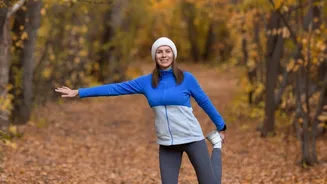
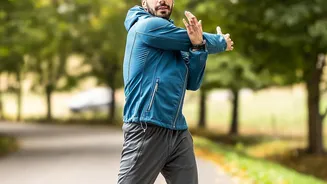
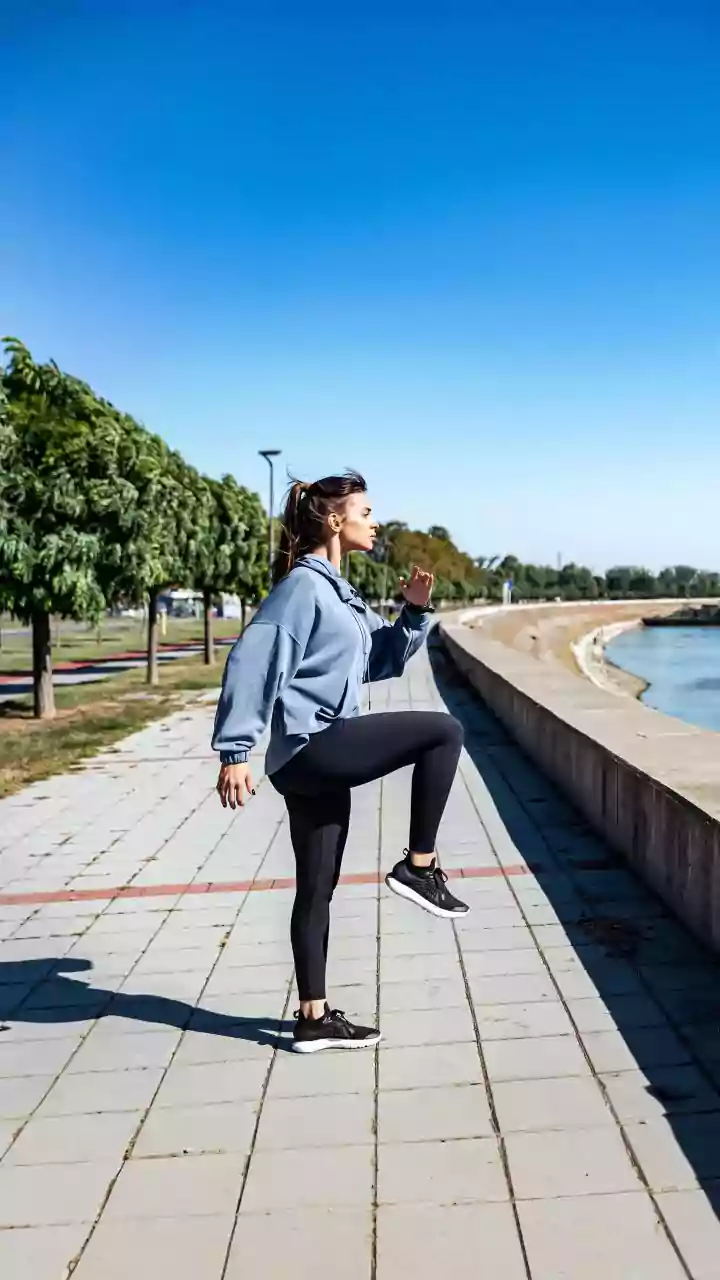
A proper warm-up is always crucial, but it becomes non-negotiable in cooler weather. Cold temperatures cause muscles to tighten and lose heat, decreasing your range of motion and increasing the risk of strains or injury. A 5- to 10-minute dynamic warm-up, involving movements like high knees, leg swings, and walking lunges, increases blood flow and prepares your muscles for the activity ahead. This is different from static stretching (holding a stretch), which is best reserved for your cool-down. A cool-down is equally important. Instead of stopping abruptly, gradually lower your heart rate with a slow walk. This helps your muscles transition back to a relaxed state and can reduce soreness.
Don't Forget Essential Gear
Beyond clothing, a few other pieces of gear are vital. With shorter days, workouts in the early morning or late evening mean you'll be out in the dark. Reflective gear, such as vests, armbands, or clothing with built-in reflective strips, is essential to ensure you are visible to traffic. Even though it feels cooler, hydration remains important, as your body still loses fluid through sweat. Continue to carry a water bottle, especially for longer sessions. In cities with poor air quality, you may also consider wearing a mask designed for athletic use, though it's always best to limit high-intensity exercise on days with very poor AQI readings.