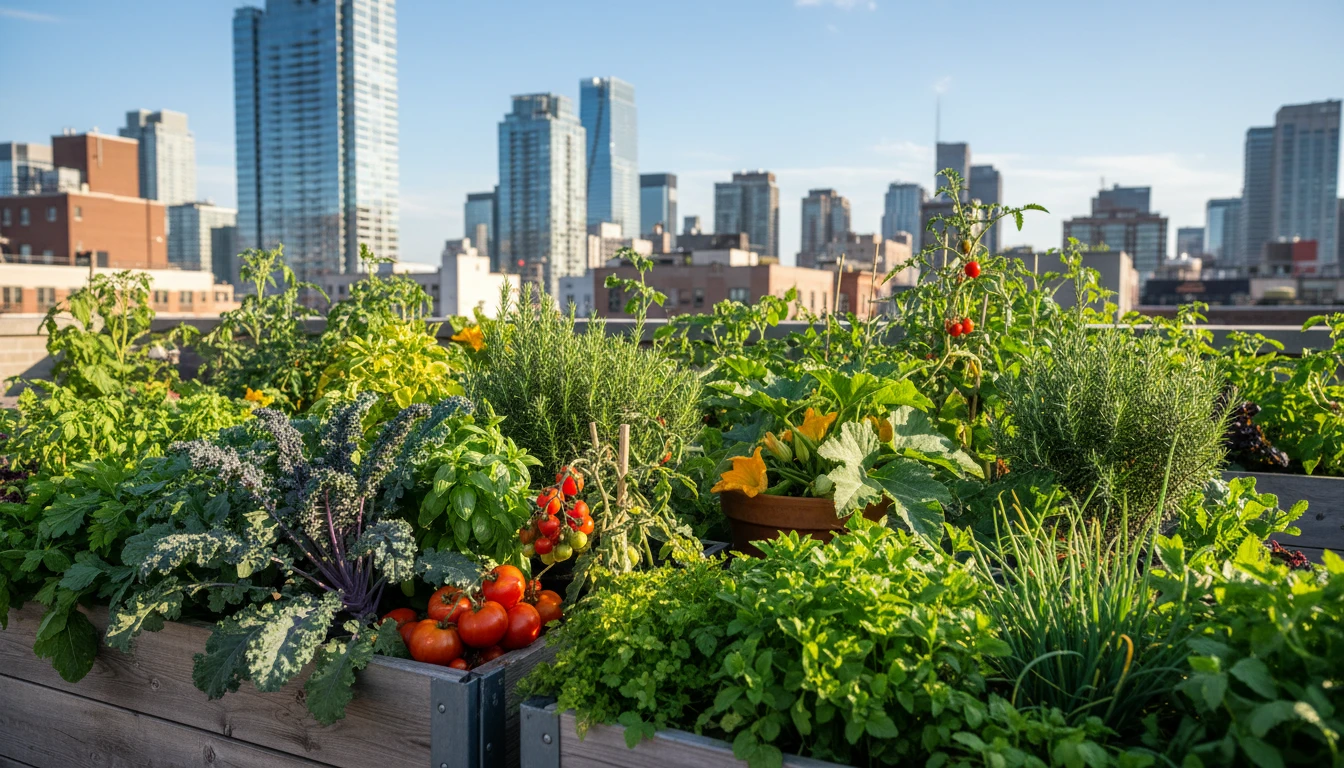









Beyond Greenery: A Garden with a Purpose
For years, urban gardening was about aesthetics—a splash of green amidst the concrete—or about growing a few herbs and vegetables. But something has changed. A growing number of city dwellers in places like Bengaluru, Mumbai, and Delhi are now curating
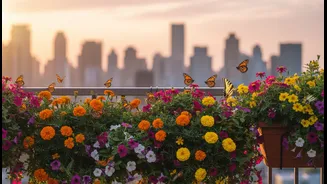
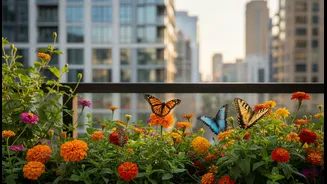
their gardens with a specific mission: to attract and support pollinators like bees, butterflies, birds, and other beneficial insects. This shift marks the rise of the 'pollinator balcony' or garden, transforming small urban spaces into buzzing, fluttering micro-ecosystems. It’s a move from passive planting to active ecological participation, driven by an awareness that our cities can be part of the solution to biodiversity loss.
Why Our Cities Need Pollinators
Pollinators are the unsung heroes of our ecosystem. Globally, nearly 90% of wild flowering plant species depend on them. In India, their contribution to agriculture is valued in the billions, impacting the yield and quality of everything from fruits to oilseeds. However, due to habitat loss and pesticide use, these crucial populations are declining. Urban areas, once seen as 'grey' zones, are now being recognised as potential refuges. A small balcony garden in a dense city can become a vital pit stop, offering nourishment and shelter to these insects, helping them survive and thrive in an increasingly fragmented landscape. By creating these havens, urban gardeners are not just beautifying their homes; they are strengthening local food webs and boosting urban biodiversity.
Creating Your Pollinator Haven: The Plants
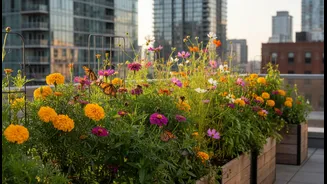
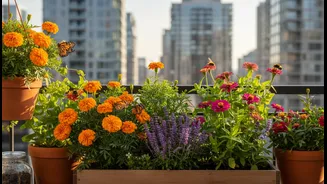
The foundation of any pollinator garden is its plants. The goal is to provide a continuous food source with a variety of nectar-rich flowers. Favouring native plants is a powerful strategy, as they are adapted to the local climate and have co-evolved with local pollinators. In Coimbatore, for instance, a pioneering move towards creating pollinator havens using only native flora is underway to create balanced, self-sustaining ecosystems. Good choices for Indian climates that are easy to grow in pots include Marigold (Genda), whose bright colours attract bees and butterflies, and Butterfly Pea (Aparajita), a fast-growing climber. Other excellent options include Cosmos, Sunflowers (Surajmukhi), Lavender, and flowering herbs like Mint (Pudina) and Holy Basil (Tulsi), which are irresistible to bees. The key is to plant in clusters and mix colours and shapes to attract a wider variety of visitors.
It Takes More Than Just Flowers
To create a truly welcoming environment, think beyond the blooms. One of the most critical steps is to go organic and avoid chemical pesticides and herbicides, which can be lethal to visiting insects. Instead, opt for natural pest control methods. Pollinators also need water. A shallow dish filled with pebbles or marbles provides a safe place for bees and butterflies to land and drink without drowning. Finally, consider providing shelter. Leaving some pots with bare soil can help ground-nesting bees, while small 'bee hotels' made from bamboo sticks or wooden blocks offer nesting sites for solitary bees, which are excellent pollinators. These simple additions can make a huge difference in turning your garden into a complete habitat.
A Movement of Hope
The rise of pollinator-friendly urban gardening, amplified by social media, is making environmental action accessible and aspirational. It shows that you don't need a large plot of land to make a difference. Every flower-filled balcony, every pesticide-free terrace, becomes a node in a larger network of green corridors running through our cities. This movement is more than a trend; it's a hopeful expression of a generation choosing to cultivate a connection with nature amidst urban life. It transforms a personal space into a shared sanctuary, restoring a little bit of ecological balance, one pot at a time.