


The Report’s Core Message
This year's UN report zeroes in on a crucial theme: the global shift towards diets that are both healthier for us and more sustainable for the planet. While global hunger has seen a slight decline, the report highlights a widespread 'double burden' of
malnutrition. This means that while some populations lack sufficient food, many others are contending with the health effects of diets high in processed foods and low in essential nutrients. The central recommendation is a move towards whole, minimally processed foods, with a strong emphasis on plants. For India, a country with deep vegetarian traditions, this isn't a new concept, but rather a call to return to and refine existing dietary patterns.
Prioritise Plant-Powered Protein
The report underscores the need for sustainable protein sources. While this doesn't mean eliminating animal products entirely, it encourages making plant proteins the star of your plate more often. Indian cuisine is exceptionally well-positioned for this. Instead of thinking of protein as a single, special ingredient, build it into every meal as a habit. This includes staples like dal, chana, rajma, and soy. The goal is to eat a varied mix of these throughout the day, ensuring a protein anchor at each main meal. Combining different plant proteins—like dal with rice or roti—creates a complete amino acid profile and is a traditional practice that modern science validates.
Embrace a Rainbow of Vegetables
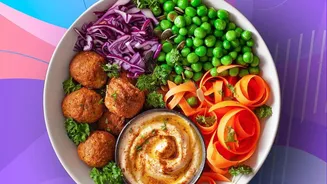
A key takeaway from the report is the importance of micronutrients, which are often lacking even when calories are sufficient. The simplest and most effective strategy is to add colour and variety to your plate. Make vegetables a substantial part of your meal, not just a garnish. Aim to include a generous portion of seasonal vegetables with both lunch and dinner. Including leafy greens, gourds, and colourful produce like carrots and bell peppers ensures a wide range of vitamins, minerals, and fibre. Planning meals around seasonal vegetables not only boosts nutrition but is also more affordable and supports local agriculture.
Rethink Your Grains
While carbohydrates are a vital energy source, the type of grain matters. The report advises prioritising whole grains over refined ones. In an Indian context, this means looking beyond just white rice and maida. Incorporate traditional millets like jowar, bajra, and ragi into your diet, which are rich in fibre and have a lower glycemic index. Simple swaps can make a big difference: choose whole wheat roti, opt for brown rice or hand-pounded rice, and start your day with oats. These grains provide sustained energy and are better for digestion and blood sugar control.
Be Mindful of Ultra-Processed Foods
A major concern highlighted in recent nutritional science, and echoed in the UN report's spirit, is the rise of ultra-processed foods (UPFs). These are industrial formulations like packaged snacks, sugary drinks, and instant meals, which are often high in unhealthy fats, sugar, and salt, while being low in essential nutrients. Studies have linked high consumption of UPFs to a range of health problems. The solution isn't about completely banning these foods, but reducing their frequency. Focus on cooking with whole ingredients. Simple swaps, like snacking on roasted chana or peanuts instead of packaged chips, can significantly reduce your intake of UPFs and improve the overall quality of your diet.