




The Science of Satiety
Satiety is the feeling of fullness you experience after eating. It's influenced by several factors, but one key concept is 'energy density'. Foods with low energy density provide fewer calories for their weight, often because they are high in water and
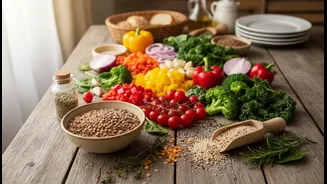
fibre. Vegetables and fruits are prime examples. You can eat a larger, more satisfying portion of these foods, which physically fills your stomach and signals to your brain that you're full, all while consuming fewer calories. Research has consistently shown that people who eat lower-energy-density diets tend to have lower body weights and can manage hunger more effectively.
Fibre: Your Digestive System's Best Friend
Fibre is a powerhouse nutrient for feeling full. It adds bulk to your meals and, particularly in the case of soluble fibre found in oats, beans, and some fruits, slows down digestion. This gradual process helps to maintain steady blood sugar levels, preventing the sharp spikes and subsequent crashes that can trigger hunger. Insoluble fibre, found in whole grains and many vegetables, also adds bulk and helps keep your digestive system running smoothly. A diet rich in fibre from a variety of plant sources doesn't just keep you full; it also supports a healthy gut microbiome, which plays a role in appetite regulation.
The Power of Pulses
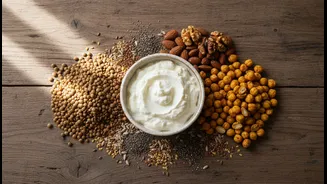
Pulses are the edible seeds of legume plants and include lentils, chickpeas, and all varieties of dried beans. They are nutritional champions because they deliver a powerful combination of both protein and fibre. Protein is widely recognised as the most satiating macronutrient, meaning it keeps you feeling fuller longer than carbohydrates or fats. When you combine the protein punch of pulses with their high fibre content, you get a food that is exceptionally good at promoting satiety and managing appetite. Studies have shown that meals based on beans, for example, can be just as satisfying as meat-based meals. From kidney beans in a chili to lentils in a soup or chickpeas in a curry, pulses are a versatile and economical way to build a filling meal.
Understanding Intact Grains
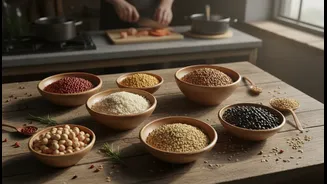
Not all grains are created equal. An 'intact' or 'whole' grain contains all three parts of the kernel: the bran, the germ, and the endosperm. This complete package provides fibre, vitamins, minerals, and healthy fats. In contrast, refined grains like white flour and white rice have had the bran and germ removed, stripping away most of the fibre and many nutrients. This is why whole-grain bread is more filling than white bread. The fibre slows the breakdown of starch into glucose, promoting stable energy. Choosing options like brown rice, quinoa, oats, barley, and whole-wheat bread ensures you get the full nutritional and satiating benefits that grains have to offer.
How to Build Your Plate
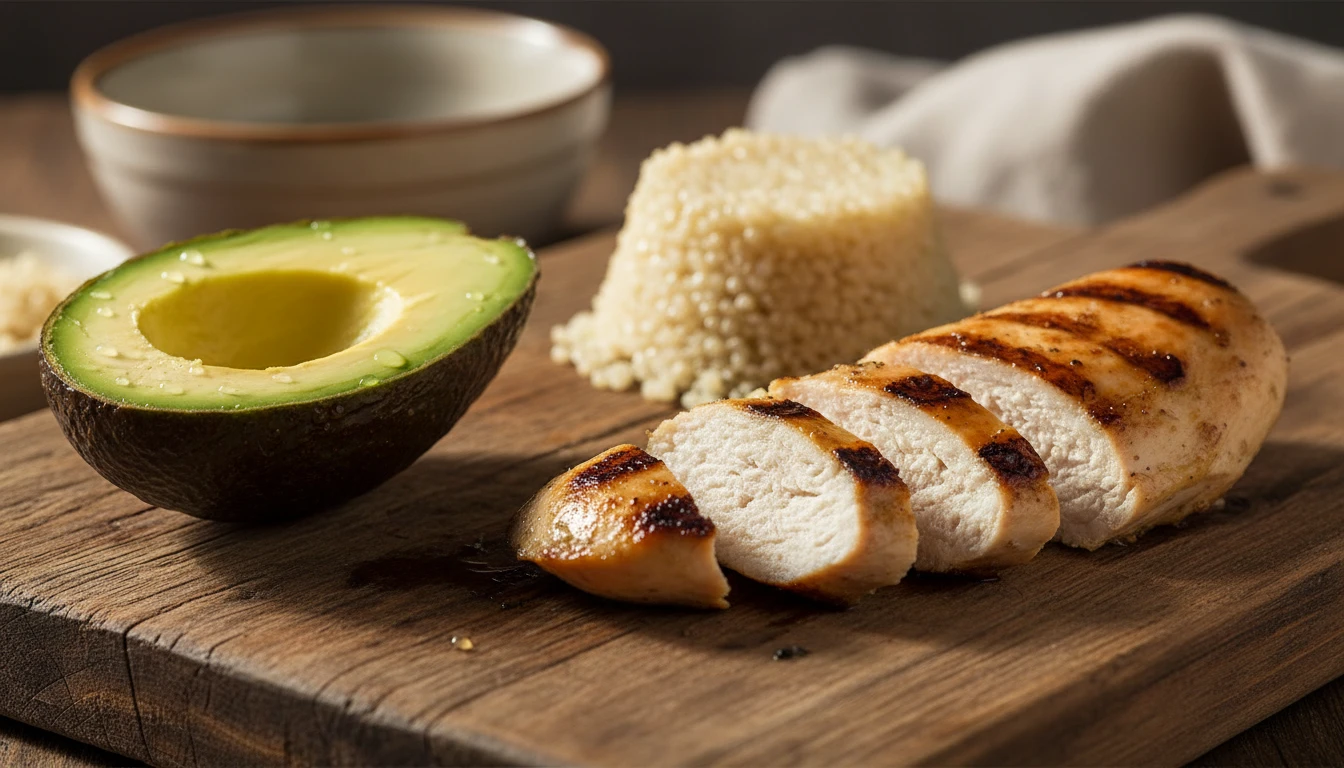
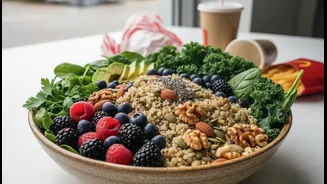
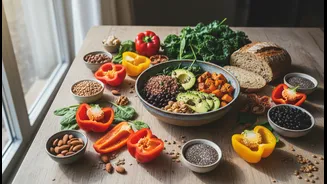
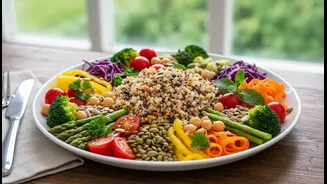
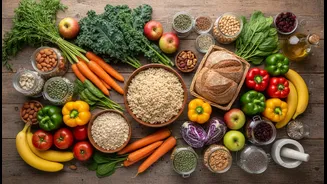
Putting this into practice is simple. A good visual guide for a filling meal is to make non-starchy vegetables the star, covering about half of your plate. Think broccoli, leafy greens, bell peppers, and zucchini. Then, dedicate a quarter of your plate to a lean protein source, like a serving of lentils, chickpeas, or beans. The final quarter can be filled with an intact grain, such as quinoa, brown rice, or a slice of whole-wheat bread. To enhance satisfaction and flavour, include a small amount of healthy fat from sources like avocado or nuts and seeds. A quinoa bowl with roasted vegetables and chickpeas, or a hearty lentil stew with a side of whole-grain bread, are perfect examples of delicious, satisfying, and nutrient-dense meals.