


Why Go Vertical?
The appeal of vertical gardening goes beyond just being a clever hack for small apartments. It’s a design philosophy that merges aesthetics with well-being. By growing upwards, you free up precious floor space, making rooms feel larger and less cluttered.
But the benefits are more than just spatial. A wall adorned with plants becomes a living, breathing feature that can improve indoor air quality. Plants are natural air purifiers, absorbing pollutants and releasing fresh oxygen. Furthermore, the presence of greenery has a well-documented positive impact on mental health, reducing stress and boosting mood. A vertical garden is an efficient, beautiful, and healthful way to integrate nature into your daily life, no matter the size of your home.
The Living Wall Statement
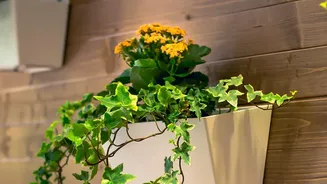
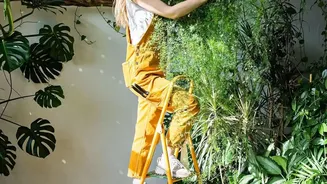
For those looking to make a dramatic impact, the living wall is the ultimate expression of vertical gardening. Also known as green walls, these are structures where numerous plants are grown in modular panels affixed to a wall. This creates a seamless, carpet-like effect of lush foliage. While they can be complex systems, sometimes incorporating built-in irrigation, simpler DIY versions are also popular. You can create this effect using wall-mounted pocket planters made from felt or recycled materials, allowing you to arrange a variety of plants in a dense configuration. This approach transforms a plain wall into a dynamic, textured masterpiece and serves as a stunning focal point in a living room, balcony, or even a home office.
Shelving, Ledges, and Ladders
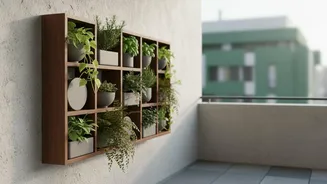
If a full living wall feels too ambitious, using shelves and ledges offers a more flexible and accessible entry point into vertical gardening. Floating shelves installed at varying heights can create a staggered, visually interesting display for potted plants. This method allows you to easily swap plants and pots to refresh your decor. Another popular option is the leaning ladder shelf, which provides multiple tiers of display space while maintaining a minimal footprint. These are perfect for sunny corners where you can group plants with similar light requirements. This approach is less about creating a single green surface and more about curating a collection of individual plants that collectively draw the eye upward.
Modern Hanging Gardens
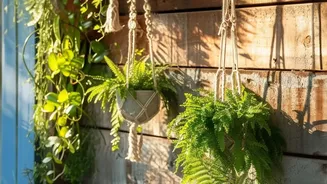
The concept of a hanging plant is timeless, but modern interpretations have given it a fresh spin. Instead of a single hook in a corner, think about creating clusters of hanging planters at different lengths to build a floating green canopy. Macrame hangers have made a major comeback, adding a touch of bohemian texture, while sleek, geometric metal hangers offer a more minimalist, contemporary feel. You can hang plants from the ceiling, wall-mounted brackets, or even curtain rods. This technique is especially effective for trailing plants, whose cascading vines create a beautiful sense of movement and life, turning empty overhead space into a vibrant part of your home’s design.
Choosing Your Green Companions
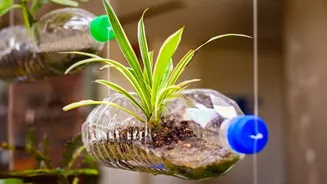
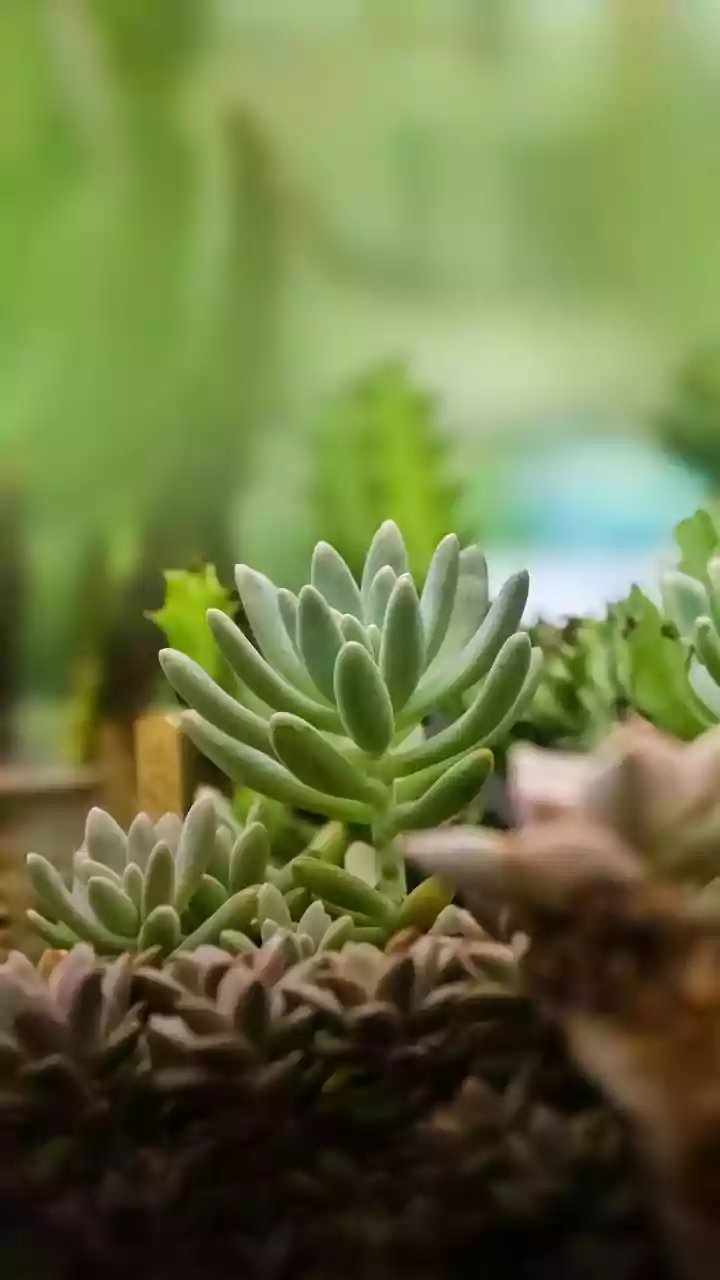
The success of your vertical garden depends heavily on selecting the right plants. For indoor setups, especially for beginners, low-maintenance varieties are key. Pothos (Money Plant), with its forgiving nature and lovely trailing heart-shaped leaves, is a top choice. Snake Plants are incredibly hardy and their tall, architectural leaves add a strong vertical element. Spider Plants are another excellent option, producing 'pups' that dangle and add to the cascading effect. For shaded areas, ferns like the Boston Fern bring a soft, feathery texture. For those with brighter spots, succulents can be arranged in wall planters to create a diverse, textured display that requires minimal watering. Many of these plants are also known for their air-purifying qualities, making them both beautiful and functional choices.