




Wool is a winter wardrobe hero: warm, breathable, and timeless. Yet, many of us have a favourite sweater that gets neglected because it feels just a bit too scratchy. The good news is that most itchiness isn't permanent—it's a sign of poor fabric care.
Why Your Wool Feels Itchy
That prickly sensation from wool isn't usually a true allergy, which is rare. The discomfort is typically a physical reaction caused by the diameter of the wool fibres. Coarser, thicker fibres are stiff and poke at your skin, triggering nerve endings and creating an itchy feeling. Finer fibres, like those from Merino sheep, are more flexible and bend when they touch your skin, which is why they feel significantly softer. Over-processing, harsh chemicals, or residue from regular laundry detergents can also strip wool of its natural lanolin (a waxy substance), making the fibres dry, brittle, and more likely to irritate.
The Secret to a Gentle Wash
Proper washing is the first step to taming an itchy garment. Wool is naturally antibacterial and odour-resistant, so it doesn’t need to be washed after every wear; often, simply airing it out is enough. When it does need a wash, always use cold or lukewarm water (below 30°C). Hot water is the enemy of wool, as it causes the microscopic scales on the fibres to open up and lock together, resulting in irreversible shrinkage and felting. Always opt for a pH-neutral, wool-specific detergent. Regular detergents can be too harsh, stripping the fibres and leaving them stiff. For best results, hand-wash by soaking the garment for 10-30 minutes without excessive rubbing or twisting. If using a machine, place the item in a mesh bag and select the 'wool' or 'delicate' cycle with a low spin speed.
Unlocking Ultimate Softness
If your woollens still feel rough after a proper wash, a conditioning soak can make a world of difference. Because wool fibres are structurally similar to human hair, a small amount of hair conditioner can work wonders. Add a dollop to a basin of cool water, let the garment soak for about 30 minutes, and then rinse thoroughly. Another effective home remedy is a vinegar soak. Adding about a cup of distilled white vinegar to the rinse water helps dissolve any lingering soap residue that can stiffen fibres, leaving the wool softer. Let it soak for 15-20 minutes before a final rinse. Don’t worry about the smell—it will dissipate as the garment dries.
Drying Your Wools Correctly
Never put wool in a tumble dryer. The combination of heat and agitation is the fastest way to shrink and felt your garment. Similarly, never hang a wet wool sweater, as the weight of the water will stretch it out of shape. The correct method is to first gently remove excess water. Lay the garment flat on a clean, dry towel, then roll the towel and sweater together, pressing firmly. Once the excess water is absorbed, unroll it and lay the garment flat on a fresh towel or a mesh drying rack. Reshape it gently while it's damp and let it air dry completely, away from direct sunlight or heat sources like radiators, which can cause damage and yellowing.
Storing for Lasting Comfort
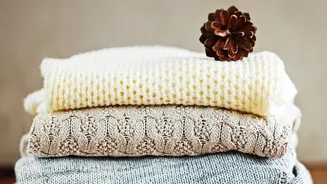
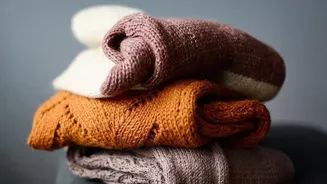
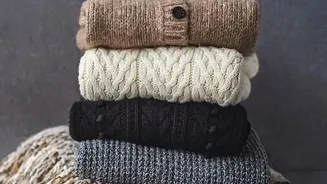
How you store your woollens is just as important as how you clean them. To prevent stretching, always fold knitwear flat instead of hanging it in a closet. Before storing for the season, make sure the garments are completely clean and dry, as food stains and body oils can attract moths. Store them in a cool, dry, and well-ventilated area. Avoid sealing them in plastic bags, which can trap moisture and lead to mildew. Instead, use breathable cotton or linen garment bags. For natural moth protection, add cedar blocks or lavender sachets to your drawers or storage containers.