




Beyond the Morning Coffee
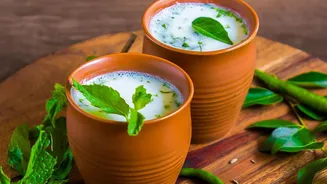
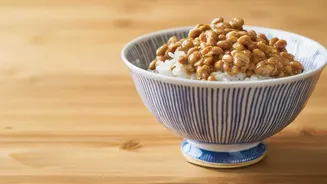
First, what exactly are we talking about? Fermented rice drinks are beverages made by allowing cooked rice and water to ferment with the help of beneficial microorganisms. In India, this takes the form of 'Pazhaya Sadam' or 'Panta Bhat', a traditional
cooling meal. Globally, you might know of Japan's sweet, non-alcoholic 'Amazake' or Korea's lightly sparkling 'Makgeolli'. While some traditional versions are alcoholic, a new wave of non-alcoholic, health-focused brews are gaining popularity as wellness drinks. They are presented as a natural alternative to the highly processed energy drinks lining supermarket shelves, offering a different kind of fuel for the body and mind.
The Science of a Slow Burn
The headline claim is 'clean energy', but what does that mean scientifically? It comes down to two main factors: complex carbohydrates and probiotics. The fermentation process breaks down the complex starches in rice into more easily digestible forms. This provides a slow and steady release of glucose into the bloodstream, giving you sustained energy without the notorious spike and crash associated with sugar and caffeine. Think of it as a gentle hum of energy, rather than a jarring jolt. Furthermore, fermentation enriches the rice with B vitamins, which are crucial for the body's energy production processes. The process also enhances the bioavailability of minerals like iron and calcium, helping your body absorb more of these essential nutrients.
A Boost for Your Gut
The second part of the energy equation comes from probiotics. Fermented rice is a powerhouse of beneficial bacteria like Lactobacillus. A healthy gut microbiome is increasingly linked to overall well-being, including energy levels. These friendly bacteria aid digestion, help your body absorb nutrients more effectively, and can even influence your mood and feelings of fatigue. Some studies suggest a healthy gut can lead to better sleep quality, which is fundamental to feeling energetic throughout the day. By supporting your gut health, these brews contribute to a more resilient and efficient internal ecosystem, which translates to feeling more vibrant and less sluggish.
Is It a Sustainable Choice?
The term 'sustainable' here generally refers to the production process. At its core, fermented rice requires simple, locally available ingredients: rice, water, and a starter culture. This can give it a lower carbon footprint compared to globally manufactured energy drinks that involve complex supply chains and extensive processing. Fermentation is also an age-old method for reducing food waste by preserving perishable grains. However, the sustainability of commercial brands depends on their specific sourcing and packaging practices. Choosing brews from local producers who use minimal, recyclable packaging is the most environmentally conscious option.
Reading Between the Bubbles
Before you dive in, it’s wise to be a mindful consumer. Not all fermented rice drinks are created equal. Traditional versions like Makgeolli contain alcohol, typically between 6-9%. Many commercially produced brews, particularly those not sold as health foods, can contain added sugars or artificial sweeteners like aspartame, which counteract the 'clean energy' benefits. When choosing a product, check the label for 'no added sugar' and 'live cultures' to ensure you're getting the real benefits. Also, be aware that while they are healthy, these drinks are not calorie-free. They are a nutritious food source, not just a hydrating beverage.