
Beyond the Familiar Menu
For a long time, the Indian restaurant scene, both within the country and abroad, was defined by a handful of North Indian staples. Dishes like butter chicken, dal makhani, and paneer tikka became shorthand for Indian food, offering a rich, comforting,
but ultimately limited, slice of the subcontinent's vast culinary landscape. This standardization, while popular, overlooked the incredible diversity of India's regional cuisines. But now, a significant change is taking place. Diners, especially a younger generation, are actively seeking more than the usual offerings. They want authenticity, variety, and the stories behind their food, pushing restaurants to evolve.
A Regional Renaissance
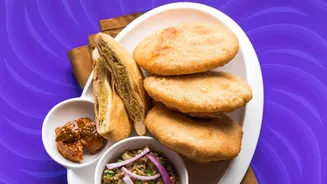
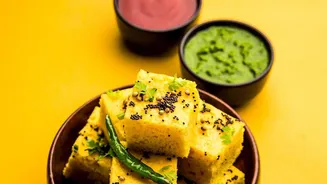
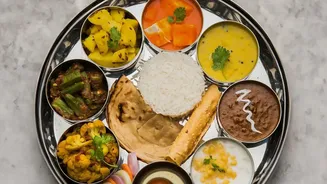
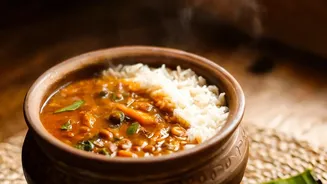
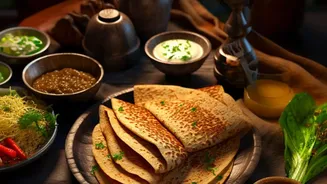
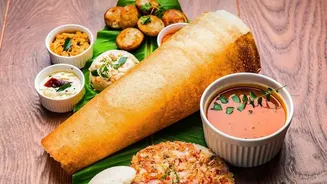
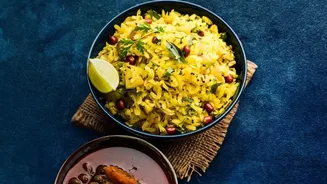
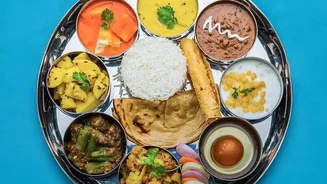
The most exciting part of this shift is the rediscovery of India's own hyper-regional foods. Cuisines that were once rarely seen outside their native states are now becoming stars on urban menus. Think of the complex, coconut-based curries of Kerala, the distinct mustard-infused fish preparations from Bengal, or the fiery meat dishes of Rajasthan like laal maas. Chefs are exploring the smoky, earthy flavours of Nagaland and Assam, the Portuguese-influenced coastal cuisine of Goa, and the clean, sustainable thalis of the Himalayan belt. This isn't just about finding new recipes; it's a movement to celebrate forgotten ingredients, traditional cooking techniques, and the immense diversity that defines Indian food culture.
An Authentic Global Palate
The curiosity of the Indian diner isn't limited to domestic flavours. There's a growing appetite for authentic international food that goes beyond the old 'Indian-Chinese' or generic 'Continental' fare. Patrons are embracing complex global tastes, from Japanese ramen and Vietnamese pho to Korean barbecue and Peruvian ceviche. Recent reports show an explosion in demand for these cuisines, with orders for Korean food, for instance, growing seventeen-fold in five years. This is a move away from fusion for fusion's sake, and towards appreciating international dishes in their true form. This adventurous palate shows that diners are not choosing between local and global; they are enthusiastically embracing both.
The Drivers of Culinary Change
Several factors are fuelling this culinary exploration. Social media has played a massive role, with food bloggers and Instagram influencers exposing millions to new dishes and regional specialties, creating demand for food that is as visually appealing as it is delicious. Increased travel, both within India and internationally, has broadened palates and sparked curiosity. Furthermore, a new generation of Indian chefs is leading the charge. They are acting as culinary historians and storytellers, travelling to remote areas to unearth forgotten recipes, championing local farmers, and celebrating indigenous ingredients that had been vanishing from our plates.
The Chef as a Modern Storyteller
Today's pioneering chefs see themselves as more than just cooks; they are curators of culture. Chefs like Prateek Sadhu, with his focus on foraged Himalayan ingredients, or the late Manish Mehrotra, who elevated unknown regional dishes to fine-dining status, have been instrumental in this movement. They are building relationships with local farmers, reviving ancient grains like millets, and proving that sustainability and heritage can be the cornerstones of modern cuisine. By focusing on the story behind each dish—its origin, its community, and its ingredients—these chefs are providing context and meaning that modern diners are hungry for.