






Why Is a Permit Necessary?
Lakshadweep is a protected territory, and entry for all non-residents is regulated to preserve its fragile ecosystem and unique cultural heritage. Every visitor, including Indian citizens, must obtain an entry permit from the Lakshadweep Administration
before travelling. This rule ensures that tourism remains sustainable and the islands' pristine environment is maintained for future generations. The only exceptions are for native islanders and government officials on duty. Planning ahead for this permit is the first and most important part of your travel arrangements.
Your Step-by-Step Guide to the ePermit
The most efficient way to secure your travel pass is through the official ePermit portal. The process has been simplified, making it more accessible for tourists. First, you must register on the portal with your name, email, and mobile number. Once registered, you can start a new application. You will need to select "Tourist" as your category, enter your proposed travel dates, and specify which islands you plan to visit. It is crucial that your application details match your travel itinerary, as you will only be allowed to visit the locations mentioned in the approved permit. After filling in your details, you'll upload the required documents and submit the application for verification.
Recent Changes You Should Know
In a significant move to streamline tourism, the Lakshadweep administration has removed two previous requirements for tourist applications. As of 2026, applicants no longer need a local sponsor from the islands or a Police Clearance Certificate (PCC). While some older guides or unofficial sources may still mention these, the official ePermit portal confirms they are not required for the tourist category. The security verification is now handled internally by the Lakshadweep Police after you submit your application. This change makes the process considerably faster and more straightforward for independent travellers.
Essential Documents for Your Application
While the PCC is no longer needed, you still have to prepare a few key documents for your online application. Make sure you have clear, scanned copies ready. You will need a valid form of identification, such as an Aadhaar card, Voter ID, or passport. Additionally, a recent passport-size photograph is required. The ePermit portal specifies formats and size limits for these uploads, so it's wise to check these technical requirements beforehand to avoid any delays. Having your accommodation and travel details handy is also recommended, as you will need to enter this information.
Perfect Timing: Late Autumn Travel
Booking for late autumn, specifically from October to November, is an excellent choice. This period marks the end of the heavy monsoon season and the beginning of the peak dry season, which runs until April. In October and November, you can expect pleasant weather with warm, sunny days and calm seas, creating ideal conditions for water sports like snorkelling and scuba diving. While October can still see some lingering rain, November generally offers clearer skies and fewer crowds than the peak months of December and January, striking a perfect balance between great weather and a more relaxed atmosphere.
Finalising Your Plans
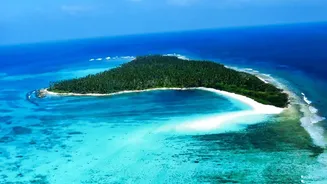
Once your application is submitted and approved, you will receive the permit via email, typically 10 to 15 days before your travel date. It is absolutely essential to print a copy of this permit and keep it with you. Airlines will verify it before allowing you to board your flight to Agatti, the main airport in the archipelago. Also, carry the original ID proof that you used for the application. With your permit secured, you can focus on the exciting part: planning your adventures across the breathtaking islands, from exploring the coral reefs of Bangaram to enjoying the serene beaches of Kadmat.