






What Exactly Is El Niño?
El Niño, Spanish for 'the Christ child', is a naturally occurring climate pattern. It is characterised by the unusual warming of surface waters in the central and eastern equatorial Pacific Ocean. This warming might seem distant, but it disrupts global
atmospheric circulation, altering weather patterns worldwide. For India, the primary concern is its historically strong link to a weaker southwest monsoon, the lifeblood of the country's agriculture. While not every El Niño event leads to a drought, the risk is significant enough to put government agencies and economists on high alert.
The Monsoon Connection
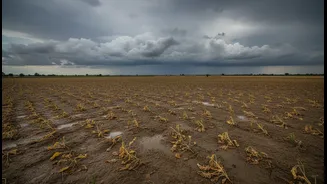
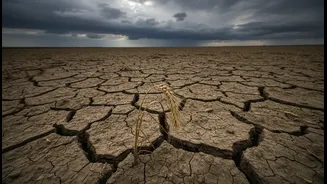
The India Meteorological Department (IMD) has been closely monitoring the situation, forecasting below-normal rainfall for July 2026. This follows a June that was already one of the driest in over a century, with a significant rainfall deficit that has affected the sowing of kharif (summer) crops. El Niño is now predicted to strengthen during the second half of the monsoon season. A weaker monsoon means less rain for India’s farms, a majority of which are rain-fed, meaning they lack access to other forms of irrigation. This direct link between El Niño and the monsoon is why it has become a primary risk factor for the Indian economy.
From the Field to Your Plate
The impact on the monsoon directly threatens India's kharif crops. Rice, a staple for a majority of Indians, is vulnerable, especially in rain-fed areas. Other critical crops at risk include pulses like tur and moong, oilseeds, cotton, and coarse cereals such as maize. A deficit in rainfall can shrink harvests, leading to supply shortages. Even sugarcane, a water-intensive crop, can see its production affected. Historically, El Niño years have been associated with lower yields for these essential crops, creating a ripple effect that travels from the farm directly to the consumer market.
The Price You Will Pay
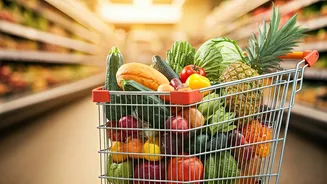
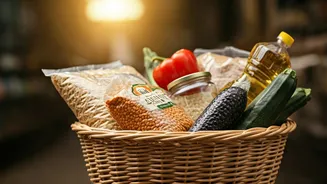
Reduced agricultural output inevitably leads to higher prices. The Reserve Bank of India (RBI) has repeatedly flagged El Niño as a major risk to its inflation targets. Food inflation, in particular, could see a sharp rise. Essentials like pulses and edible oils could become more expensive. Beyond grains, the prices of vegetables like tomatoes and onions, which are highly sensitive to supply disruptions, could surge. Past El Niño events have led to periods of high food inflation, and economists are warning that households should brace for a similar impact, potentially seeing their monthly grocery bills increase.
What Is the Government Doing?
The central government is actively monitoring the situation. Top ministers, including the Home Minister and Agriculture Minister, have held meetings to review preparedness. The government has stated that the country has adequate buffer stocks of essential grains like rice and wheat, which can help cushion some of the shock. Furthermore, ministries have been directed to coordinate with state governments to guide farmers on planting alternative, less water-intensive crops like millets and pulses in affected regions. Contingency plans are being put in place for around 200 districts identified as particularly vulnerable to the impact of a weak monsoon.
How to Manage Your Budget
For households, navigating this period of potential price volatility requires smart planning. Start by creating a clear budget for food and tracking your spending to identify areas where you can cut back. Planning meals in advance can reduce impulsive, expensive purchases. Prioritise buying seasonal vegetables, which are typically more affordable and readily available. This is not a time for panic-buying, which can create artificial shortages and drive prices up further. Instead, focus on mindful consumption, reducing food waste, and exploring more affordable, nutritious alternatives to items that may see sharp price hikes.