





What Exactly Are Ceramides?
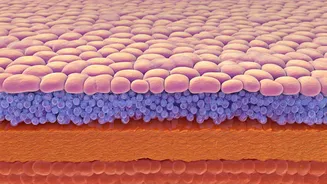
Think of your skin's outermost layer as a brick wall. The skin cells are the bricks, and the lipids (or fats) are the mortar holding them together. Ceramides are the most important part of that mortar, making up about 50% of this structure. They are naturally
occurring lipids that are essential for creating a protective barrier that keeps moisture in and harmful elements out. Without enough ceramides, this 'wall' develops cracks, leading to dryness, irritation, and sensitivity. In essence, they are the gatekeepers of your skin’s health, ensuring it stays supple, hydrated, and strong.
The Skin Barrier's Best Friend
The term 'skin barrier' gets thrown around a lot, but ceramides are what make it work. A healthy skin barrier, properly fortified with ceramides, performs two critical jobs. First, it prevents transepidermal water loss (TEWL), which is a scientific way of saying it stops moisture from escaping your skin. This is key to preventing the tight, flaky feeling of dehydration. Second, it protects your skin from the outside world—think pollution, dust, bacteria, and other irritants common in our urban environments. When your ceramide levels are optimal, your skin is less reactive, less red, and better equipped to handle daily environmental stress.
Why You Might Be Lacking Ceramides
If ceramides are produced naturally, why would we need to add more? Several factors can deplete your skin's natural ceramide reserves. Age is the primary culprit; our natural production begins to decline in our late 20s and can drop by over 40% by the time we’re in our 40s. But lifestyle and environment also play a huge role. Exposure to harsh weather, sun damage, and using stripping cleansers with high pH levels can wash away these crucial lipids. Even over-exfoliating with strong acids or physical scrubs can compromise the skin barrier and reduce ceramide levels, leaving your skin vulnerable and compromised.
How to Add Ceramides to Your Routine
Replenishing your skin's ceramide supply is simpler than it sounds. You don’t need a whole new routine; just look for products that contain them. Ceramides are most effective in leave-on products like serums and moisturisers, as this gives them time to be absorbed and get to work repairing your skin barrier. Applying a ceramide-rich moisturiser as the last step in your nighttime routine is an excellent way to lock in hydration and support your skin’s natural repair processes overnight. For daytime, a ceramide moisturiser can provide a buffer against environmental stressors. They are generally non-irritating and suitable for all skin types, from dry and sensitive to oily and acne-prone.
Reading the Ingredient List
To ensure you're getting the real deal, it helps to know what to look for on an ingredient label. You will typically see them listed as 'Ceramide' followed by a number or letters, such as Ceramide NP, Ceramide AP, or Ceramide EOP. Some products also contain ingredients that encourage your skin to produce its own ceramides, like phytosphingosine. For maximum benefit, look for formulas that pair ceramides with other skin-identical lipids like cholesterol and fatty acids. This combination mimics your skin’s natural mortar, delivering more effective and comprehensive barrier repair.