




Putting the Loss in Perspective
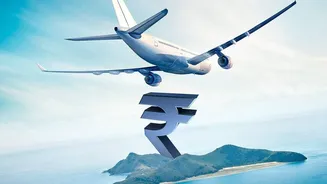
The headline figure, an estimated loss of ₹10,500 crore for the six months ending September 30, 2026, appears staggering, but it's not unexpected. This loss was disclosed via Singapore Airlines' (SIA) financial reporting, which includes its share of Air India's
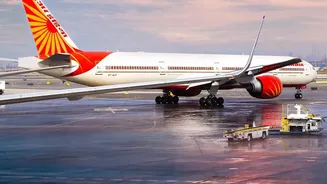
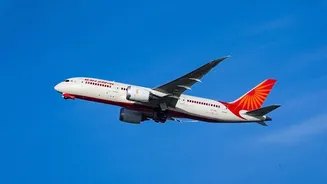
performance. Crucially, this figure represents a 16% improvement from the approximately ₹12,500 crore loss recorded in the same period last year. This reduction suggests that the initial phases of the airline's transformation are yielding some positive financial traction. The losses are a direct result of the monumental investment required to overhaul the airline. Since being acquired by the Tata Group, Air India has embarked on a five-year transformation plan, 'Vihaan.AI', which involves massive capital expenditure. This includes a record-setting order for 470 new aircraft, a $400 million commitment to refurbish existing cabins, and a $200 million investment in new IT systems. These expenses, combined with high jet fuel prices, are front-loaded, meaning the costs are incurred long before the benefits—like fuel-efficient planes and improved customer satisfaction—translate into profits.
Singapore Airlines’ Strategic Play
Singapore Airlines' 25.1% stake in Air India wasn't a direct purchase into a loss-making entity. Instead, it was the result of the strategic merger between Air India and Vistara, which was completed on November 12, 2026. Vistara was a successful joint venture between Tata Sons (51%) and Singapore Airlines (49%). As part of the merger deal that combined Vistara with Air India, SIA converted its Vistara ownership into a significant minority stake in the newly enlarged Air India Group. This move is a core pillar of SIA's 'multi-hub' strategy. With the Singapore market's growth potential being limited, SIA gains direct access to India's vast and rapidly expanding aviation market, which is projected to grow significantly in the coming decades. SIA views this as a long-term investment in the future of Indian aviation, betting that the eventual value of a transformed Air India will far outweigh the current, temporary losses.
The Mega-Merger and Turnaround Plan
The headline developments are part of a much larger consolidation by the Tata Group. The goal is to simplify its aviation portfolio into two distinct entities: a single full-service carrier (the merged Air India, including Vistara) and a single low-cost carrier (the merged Air India Express, including the former AirAsia India). This consolidation, which was a key phase of the Vihaan.AI plan, was recently completed. The merger streamlines operations, eliminates brand confusion, and creates a more formidable competitor to India's market leader, IndiGo. The 'Vihaan.AI' transformation plan is a five-year roadmap broken into phases: 'Taxi', 'Take Off', and 'Climb'. Having completed the initial 'Taxi' phase of fixing legacy issues, the airline is now in the 'Take Off' and 'Climb' phases, focused on growth, integration, and building excellence. Tangible progress is already visible in improved on-time performance and higher customer satisfaction scores on new aircraft.
What This Means for the Future
For Air India, the journey towards profitability is a marathon, not a sprint. The Tata Group and Singapore Airlines are prepared for a long-haul effort, with some estimates suggesting a full turnaround could take several years. The strategy is to absorb the high upfront costs of renewal to build a modern, efficient, and customer-centric airline that can compete on a global scale. For passengers, the immediate period involves navigating the complexities of the airline mergers, but the long-term promise is a vastly improved travel experience with modern aircraft, better service, and an expanded network. The investment by SIA, a carrier renowned for its quality, serves as a vote of confidence in this vision. While the losses are significant, they are a calculated part of a bold strategy to awaken a sleeping giant of Indian aviation. The partnership is designed to ensure Air India doesn't just fly again, but soars.