





Hyderabad-based biotech startup PopVax just opened its 'RNA Foundry', a facility designed to create cancer vaccines tailored to individual patients. It’s a landmark moment for medicine in India, but it also highlights a huge gap.
From Sci-Fi to a Hyderabad Facility
The concept of a 'personalised
cancer vaccine' sounds like something from a futuristic film. The idea is to create a unique medicine for one person, designed specifically to teach their immune system how to fight their unique cancer. Hyderabad's PopVax has turned this idea into a concrete reality by launching its RNA Foundry. This is not a typical factory churning out millions of identical pills. Instead, it’s a high-tech, integrated facility for research, development, and manufacturing that aims to produce bespoke messenger RNA (mRNA) medicines on demand. The technology, made famous by COVID-19 vaccines, is being repurposed for a far more complex and personal enemy.
How Does a Personal Cancer Vaccine Work?
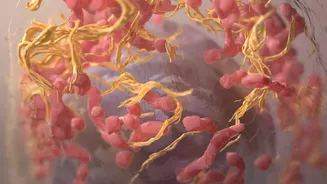
The process begins not with a drug, but with data. First, a patient's cancerous tumour and healthy tissue are genetically sequenced to find mutations that are unique to the cancer cells. PopVax uses an AI-powered platform to analyse this data and identify which of these mutations create abnormal proteins, called neoantigens, that are most likely to trigger a strong immune response. The system then designs a custom mRNA strand that carries the instructions for making these specific neoantigens. This mRNA is packaged into a lipid nanoparticle (a tiny fat bubble) and administered to the patient. The goal is for the patient's own cells to produce these neoantigens, effectively showing the immune system a 'most wanted' poster of the cancer cells, training it to seek and destroy them.
The 'Unproven' Billion-Dollar Question
This is where the headline's crucial caveat comes in: 'clinical effectiveness still unproven'. While the underlying mRNA technology is established and personalised cancer vaccines from companies like Moderna and Merck have shown promising results in international trials, PopVax's specific approach and its candidates are still experimental. The manufacturing process itself is a monumental challenge, often described as 'n-of-1 production'—creating a unique batch of medicine for every single patient. This flips conventional mass manufacturing on its head, introducing huge hurdles in logistics, quality control, and regulation. Each personalised vaccine is a new drug, making it incredibly difficult to run traditional, large-scale clinical trials. Proving that it works, safely and reliably for each individual, is the next great challenge.
PopVax's Audacious Bet on the Future
Founded in 2021, PopVax is aiming to be a leader in this new frontier. The company plans to manufacture over 100 personalised cancer vaccine candidates in the next year at its new Hyderabad facility, which was built to global Good Manufacturing Practices (GMP) standards. The turnaround time from receiving tumour data to a finished vial is projected to be just eight to ten weeks. While the company's first mRNA product to enter clinical trials is a COVID-19 vaccine, the RNA Foundry represents a significant pivot towards the much more complex world of oncology. PopVax plans to initially provide these experimental treatments through compassionate-use and named-patient pathways for a small number of patients, which could provide early data to guide future clinical trials.
What This Means for Medicine in India
The opening of the RNA Foundry is more than just a corporate milestone; it's a statement of intent. It positions India as a potential hub for one of the most advanced and complex forms of biotechnology. While the road to regulatory approval and widespread clinical use is long and uncertain, building the physical infrastructure and technical expertise is a critical first step. It represents a massive investment in a future where medicine is not a one-size fits all solution, but a deeply personal and precise intervention. The success of PopVax's foundry will be measured not just in the vaccines it produces, but in its ability to navigate the immense scientific and regulatory challenges that lie ahead.