




The Return of the King
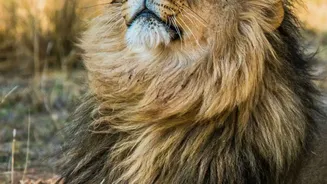
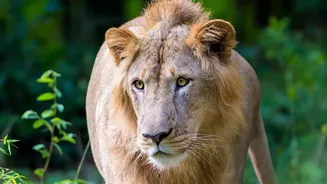
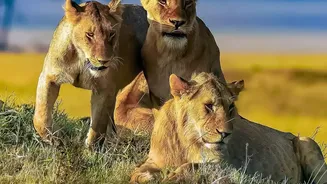
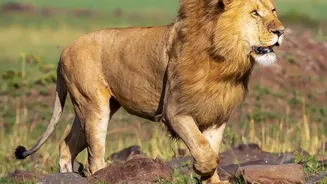
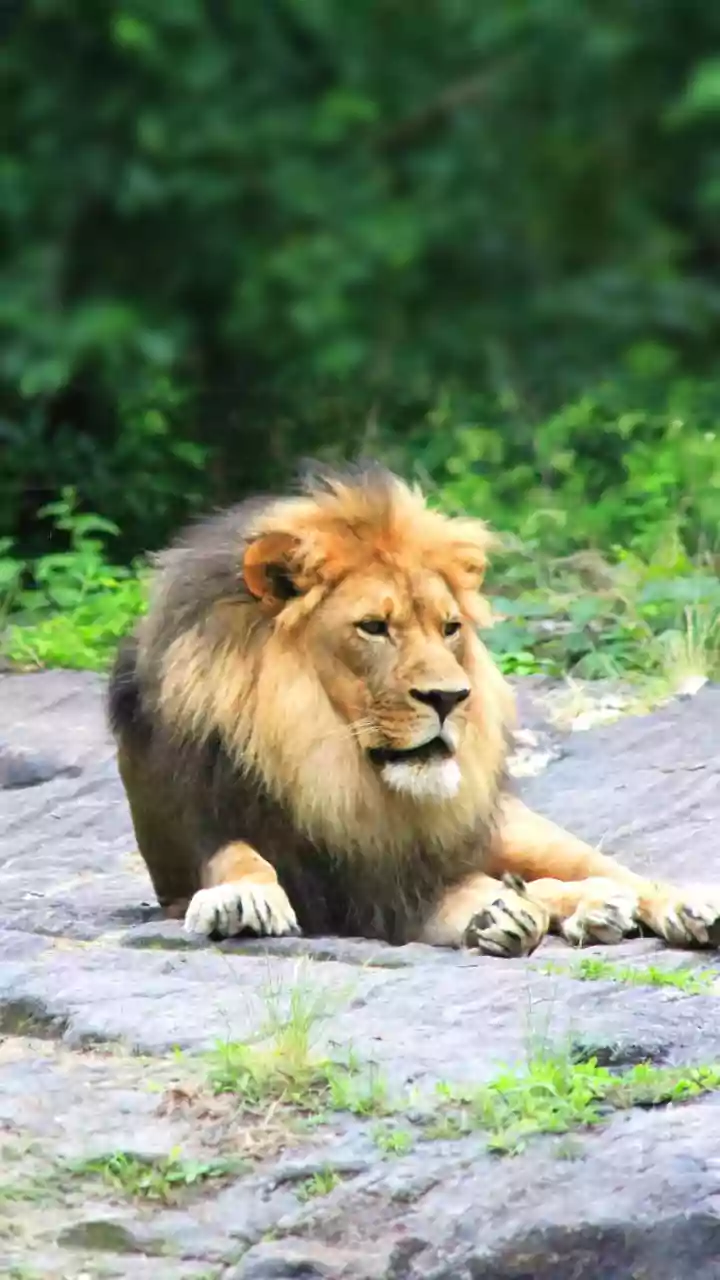
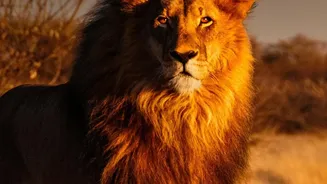
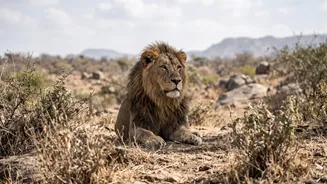
After an absence of nearly 144 years, the roar of the Asiatic lion is being heard again in the Barda Wildlife Sanctuary. This is not a fleeting visit. As of October 2026, a small but significant population of 17 lions has established itself in the 192-square-kilometre
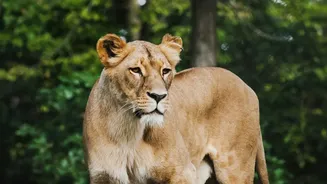
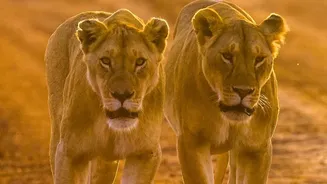
protected area. The momentous return began in January 2023, when a lone male lion naturally dispersed from the Gir landscape and found its way to Barda. Recognizing the opportunity, the Gujarat Forest Department augmented this natural migration by introducing five females, creating the foundation for a new breeding population. This combination of natural movement and active conservation has turned Barda into a beacon of hope for one of India's most iconic species.
Why Barda Matters
The focus on Barda is a critical part of a long-term strategy to secure the future of the Asiatic lion. For decades, the entire wild population has been concentrated in and around Gir National Park. While a massive conservation success, this puts all the eggs in one basket, making the species vulnerable to threats like disease outbreaks or natural disasters. Barda, located across parts of Porbandar and Devbhumi Dwarka districts, offers a vital 'second home'. A recent scientific study confirmed that Barda's habitat, with its mixed forests and grasslands, is suitable to support a long-term lion population. The sanctuary has been a work in progress since 1979, when the Gir-Barda Project was launched to prepare it for this exact purpose.
A Project Decades in the Making
Establishing a second home for lions has been a national priority, famously outlined in 'Project Lion'. The Supreme Court even ordered the translocation of some lions to Kuno National Park in Madhya Pradesh back in 2013 to mitigate risks. However, that move has been stalled, with Gujarat advocating for natural dispersal within the state first. The successful recolonisation of Barda is seen as a validation of this approach. To make Barda more hospitable, authorities have been working to increase the prey base, translocating hundreds of spotted deer (chital) and sambar into the sanctuary. The government has also reorganised the local forest division to better manage and protect the new lion habitat.
Eyes on the Lions
The close monitoring by Gujarat forest officials is a crucial element of this conservation story. It's about more than just counting heads. A team of eight full-time trackers keeps a daily watch on the lions' health and movements. To get a deeper understanding of how they are adapting, six of the lions—the original male and the five introduced females—have been fitted with radio collars. Between January 2023 and July 2025, researchers collected over 169,000 GPS locations, providing invaluable data on the lions' home ranges, social behaviours, and habitat preferences. This scientific approach helps officials understand what the lions need to thrive and how to pre-emptively manage potential human-wildlife conflict as the population grows.
The Road Ahead
While the return to Barda is a triumph, the work is far from over. Ensuring a stable prey population is paramount to prevent lions from straying into human areas in search of livestock. To that end, the Gujarat government has also announced a scheme offering financial packages to encourage the voluntary relocation of semi-nomadic pastoralist families, known as 'maldharis', living inside the sanctuary. This will reduce human pressure on the habitat and give the lions more space. Furthermore, rapid-response teams have been strengthened to address any conflicts that may arise, ensuring that both humans and lions can coexist safely.