





From Seed to Bottle: The Tale of Two Oils
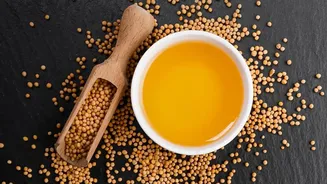
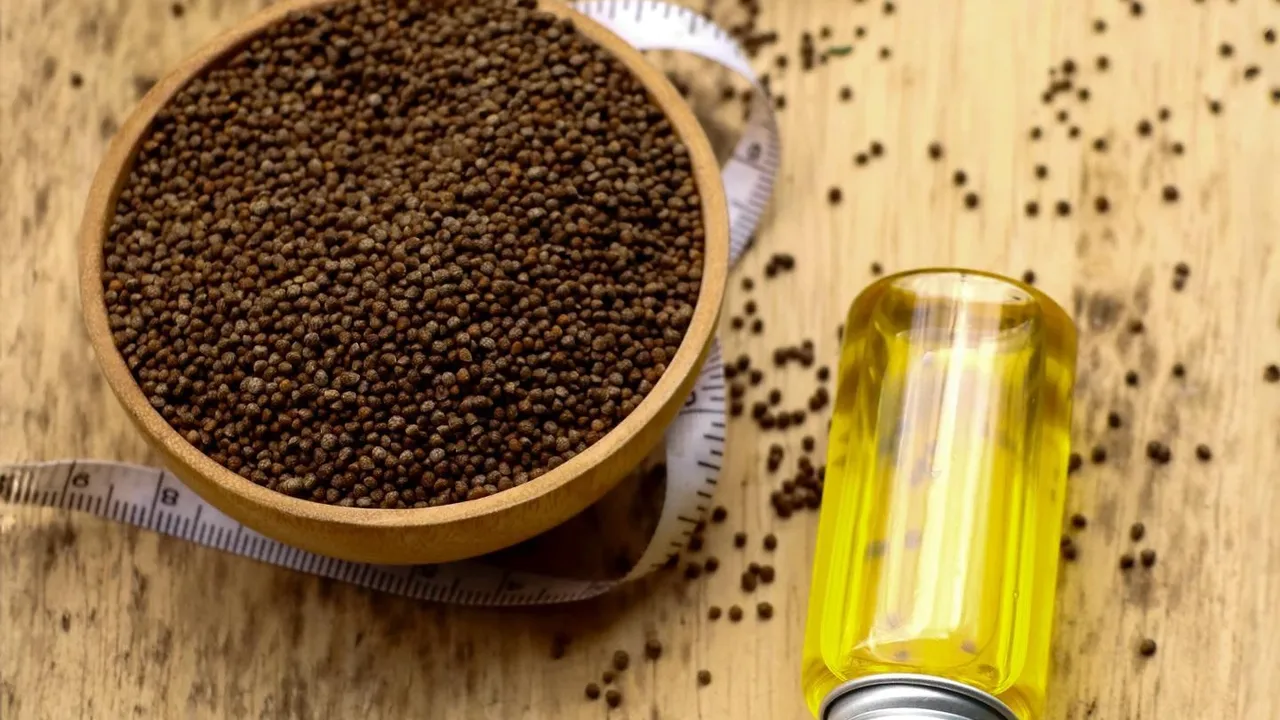
The primary difference between cold-pressed and refined oils lies in their extraction process. Cold-pressed oils, as the name suggests, are made by mechanically crushing seeds or nuts at low temperatures. This traditional method, often called 'Kachi Ghani',
uses no heat or chemical solvents, ensuring the oil's natural nutrients, flavour, and aroma are preserved. On the other hand, refined oils undergo an intensive industrial process. This involves extracting oil using high heat and chemical solvents like hexane, followed by bleaching to lighten the colour and deodorising to create a neutral taste. While this results in a longer shelf life and a higher smoke point, it strips the oil of most of its beneficial compounds.
The Nutritional Divide: What’s Inside Your Oil?
Cold-pressed oils are nutritional powerhouses. Because they are minimally processed, they are rich in essential fatty acids (like Omega-3 and Omega-6), antioxidants, and vitamins like E and K. These compounds are crucial for fighting inflammation, supporting heart health, and boosting immunity. In stark contrast, the refining process destroys a significant portion of these vital nutrients. Studies show that up to 80% of an oil's antioxidant content can be lost during refining. What remains is often a source of 'empty calories' that may contain trace chemical residues and unhealthy trans fats formed during high-heat processing.
Smoke Point vs. Nutrient Point: A Kitchen Dilemma
Refined oils are often promoted for their high smoke points, making them seem ideal for high-heat Indian cooking like deep-frying. A smoke point is the temperature at which an oil begins to smoke and break down, potentially forming harmful compounds. While refined oils are more stable at high temperatures, this stability comes at the cost of nutrition. Cold-pressed oils generally have lower smoke points. However, for most daily Indian cooking methods like making tadka, sautéing vegetables, or preparing parathas—which typically occur between 120°C and 160°C—the smoke point of cold-pressed oils like groundnut or sesame is perfectly adequate. The focus should be on matching the right oil to the right task.
Making the Switch in Your Indian Kitchen
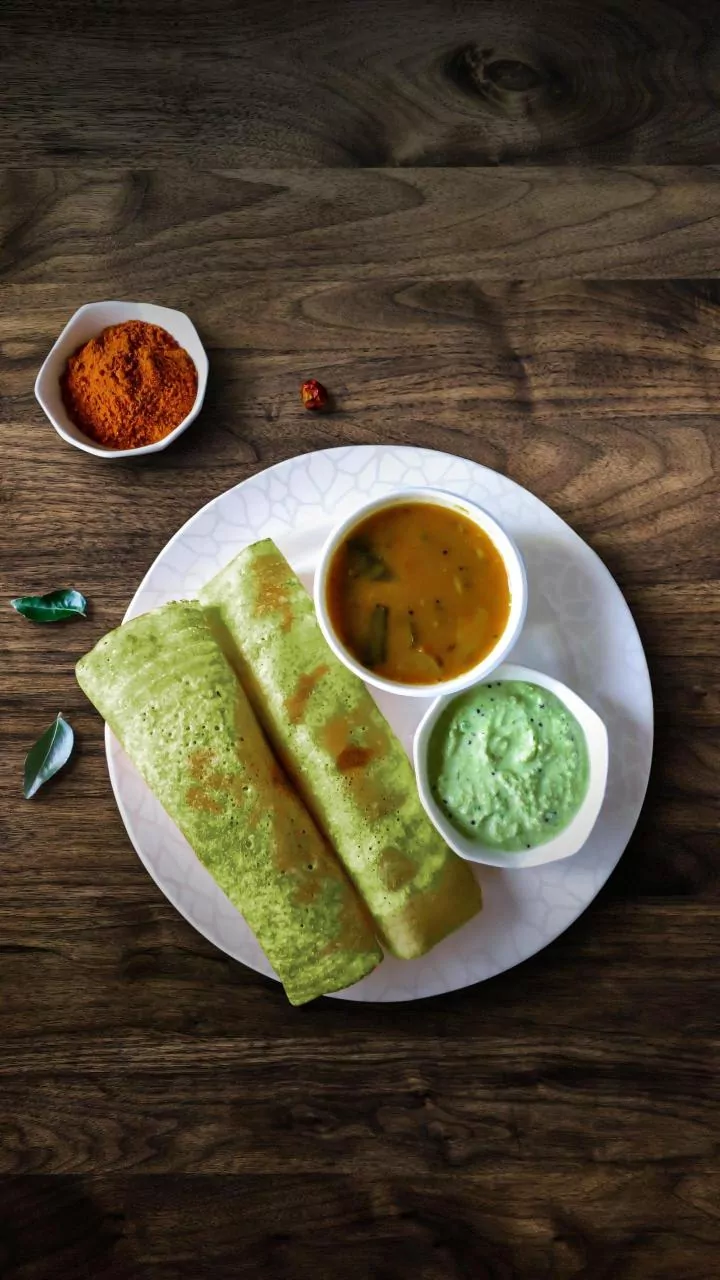
Integrating cold-pressed oils into your daily diet is simpler than it sounds and offers significant flavour and health benefits. For North Indian cooking, the pungent, sharp flavour of cold-pressed mustard oil is perfect for dishes like saag and fish curries. In the South, the distinct aroma of cold-pressed coconut oil elevates vegetable stews and gravies, while cold-pressed sesame (gingelly) oil is a staple for tempering and in rice dishes. Cold-pressed groundnut oil, with its nutty flavour, is widely used across the country for everything from sautéing to shallow frying. For drizzling over salads or cooked dal, a rich, unrefined oil adds both nutrients and taste.
Long-Term Health: An Investment in Every Meal
The choice of cooking oil is a daily habit that compounds over time. A diet rich in cold-pressed oils can contribute positively to heart health by providing healthy monounsaturated and polyunsaturated fats that help manage cholesterol levels. Conversely, regular consumption of refined oils, which can have an imbalanced ratio of omega-6 to omega-3 fatty acids, has been linked to increased inflammation, insulin resistance, and a higher risk of chronic conditions like heart disease and diabetes. By opting for less processed oils, you are making a conscious investment in your long-term well-being.