





Understanding the Home Cooling Trap
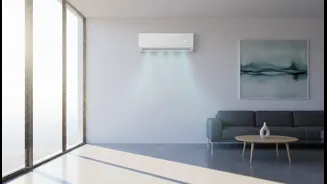
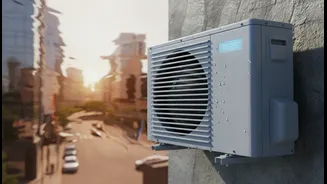
The “cooling trap” is a vicious cycle. Extreme heat makes cooling a necessity, not a luxury. The default solution is often an air conditioner, but this leads to higher energy consumption. This strains the electricity grid and results in expensive bills
for households. Furthermore, the energy production required and the heat vented from AC units contribute to the urban heat island effect, making cities even hotter. This feedback loop, where the solution to heat creates more heat, is what traps families in a costly, uncomfortable, and unsustainable cycle.
Low-Cost, Immediate Relief for All
Regardless of whether you own or rent, several immediate, low-cost strategies can provide relief. During the day, block out the sun by keeping curtains and blinds closed, especially on west-facing windows. At night, once the outside temperature drops, open windows to create cross-ventilation, allowing cool air to flush out the heat accumulated during the day. Using fans strategically is also key. A simple trick is to place a bowl of ice in front of a table fan to create a cooling mist. Also, limiting the use of heat-generating appliances like ovens and washing machines during the hottest parts of the day can make a noticeable difference.
Smarter Cooling for Renters
Renters have fewer options for structural changes but can still make a significant impact. Applying removable reflective window films can block a substantial amount of solar heat. Ensure that vents are not blocked by furniture to improve airflow from coolers or ACs. For cooling, an evaporative air cooler is a good option as it uses significantly less electricity than an air conditioner and is portable. Traditional methods like hanging damp jute or khus (vetiver) mats in windows can also work wonders, cooling the incoming air through evaporation while adding a pleasant, earthy scent.
Strategic Investments for Homeowners
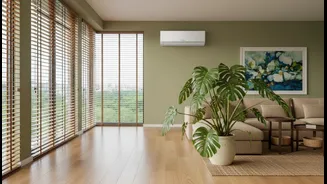
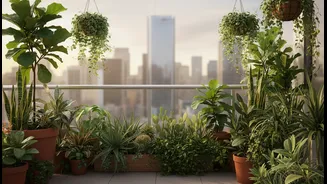
Homeowners can invest in more permanent solutions. One of the most effective is a 'cool roof'. This involves applying a solar-reflective coating or using reflective tiles to dramatically reduce heat absorption. Pilot projects in India have shown that cool roofs can lower indoor temperatures by several degrees. Another powerful strategy is planting trees and creepers to shade walls and roofs. This natural shading not only cools the building but also improves local air quality. Improving insulation, sealing air leaks around doors and windows, and upgrading to energy-efficient, correctly-sized air conditioners are other long-term investments that lower electricity bills and improve comfort.
Embracing Traditional Wisdom
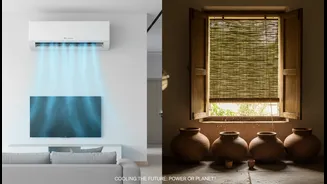
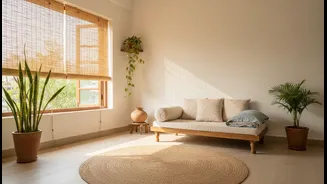
For centuries, Indian architecture used passive cooling designs that are highly relevant today. Features like central courtyards, thick mud or stone walls, and perforated 'jaali' screens were all designed to promote airflow and minimise heat gain. Even small changes inspired by this wisdom can help. Using earthen pots (matkas) to store and cool drinking water is an energy-free way to stay hydrated. Opting for furniture made from natural materials like bamboo or cane can also improve airflow and comfort compared to heat-absorbing synthetic materials. These techniques connect us to sustainable practices that worked long before the first AC was ever switched on.