







The Millennial Sleep Crisis
Dubbed “the burnout generation,” millennials report higher levels of chronic workplace stress than any other group. This isn't just a feeling of being tired; it's a cycle where stress disrupts sleep, and poor sleep worsens the ability to handle stress.
Many in this demographic, now in their early 30s to mid-40s, are caught between demanding careers, parenting, and the constant digital tether of a 24/7 work culture. The result is a widespread sleep deficit, with phenomena like “revenge bedtime procrastination”—sacrificing sleep for a few hours of personal time—becoming commonplace. This chronic exhaustion has fueled a desperate search for a solution that goes beyond a simple vacation.
The Appeal of the 'Hill Station'
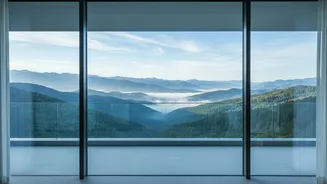
The concept of retreating to the mountains for health is not new, but it has found a modern purpose. While the term “hill station” has colonial roots, its contemporary appeal lies in environmental immersion. These high-altitude resorts offer what urban and suburban life often strips away: profound quiet, fresh air, and a tangible disconnect from daily triggers. Being in nature is inherently restorative, but there's a biological component, too. At higher altitudes, the body may adapt to changes in oxygen, which can influence sleep patterns. More importantly, these settings provide a low-stimulus environment, making it easier to escape the endless notifications and light pollution that disrupt our natural sleep-wake cycles.
Inside a Structured Sleep Program
A stay at a sleep resort is far from an unstructured holiday. These are immersive, science-led programs designed to systematically recalibrate your body's internal clock, or circadian rhythm. A typical multi-day retreat often begins with a personal assessment by wellness experts or even doctors. Daily schedules are highly structured. Mornings are dedicated to exposure to natural light to suppress melatonin production, often through gentle activities like yoga or nature walks. Meals are carefully curated, featuring foods rich in nutrients like tryptophan and magnesium that support serotonin and melatonin production. Afternoons might involve educational workshops, while evenings are a masterclass in winding down. Expect strict digital detoxes, with no screens allowed in bedrooms, replaced by practices like guided meditation, breathwork, and sound therapy to calm the nervous system.
The Science of a Full Reset
The goal of these programs is to re-establish a healthy circadian rhythm, the body's 24-hour internal clock that governs everything from sleepiness to hormone release. Chronic stress and erratic lifestyles cause this system to become dysregulated. The core principle of a sleep retreat is to provide the body with powerful, consistent cues. Morning light exposure signals the brain's control center to be awake and alert. Avoiding artificial blue light in the evening allows the natural production of melatonin, the hormone of darkness, to rise unimpeded. Stress-reduction techniques like meditation and yoga are included to activate the parasympathetic nervous system, shifting the body from a state of “fight or flight” to “rest and digest.” Some resorts even employ high-tech solutions like smart beds that adjust firmness and temperature or advanced diagnostics to tailor programs precisely to an individual's needs.