


Our Sun, A Turbulent Star
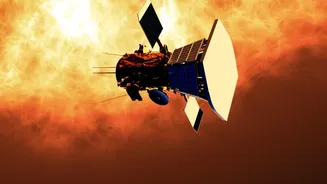
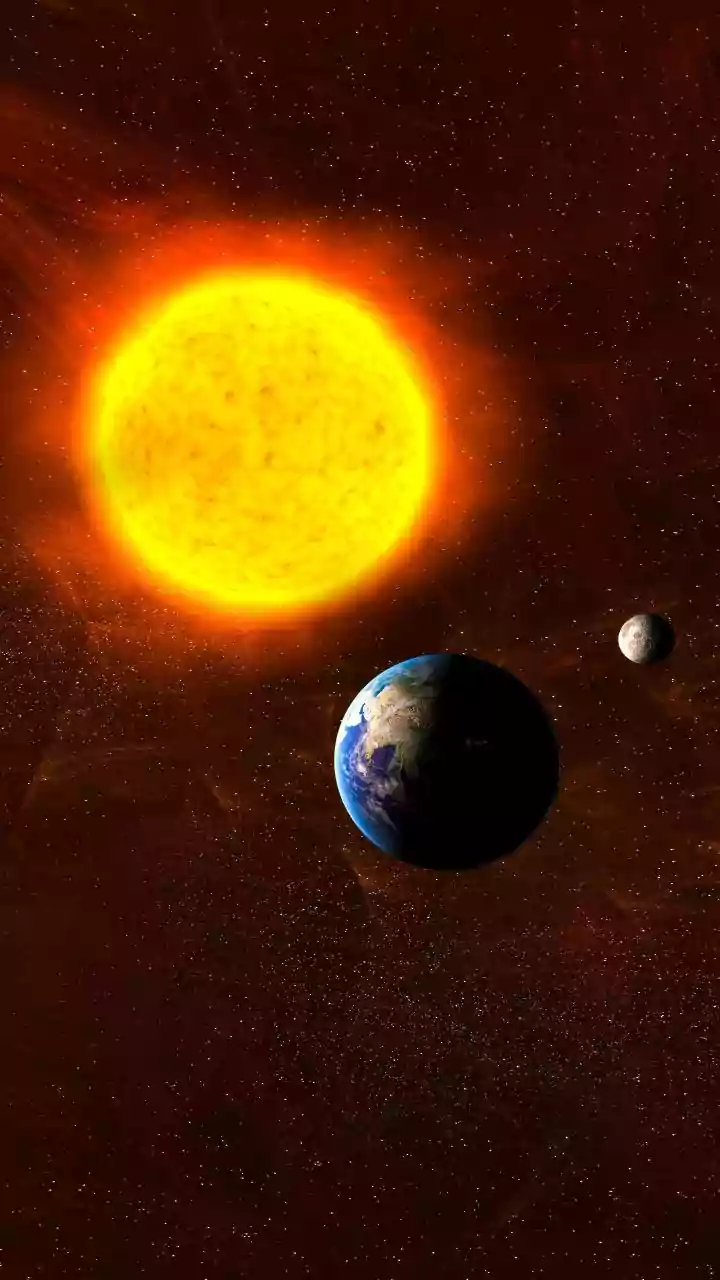
Our sun is not just a benign source of light and heat; it's an active, volatile star. It constantly sends out a stream of charged particles called the solar wind. More dramatically, it can unleash solar flares—immense bursts of radiation—and coronal mass
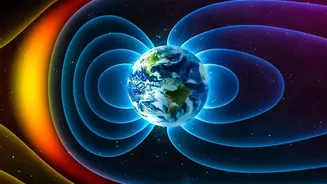
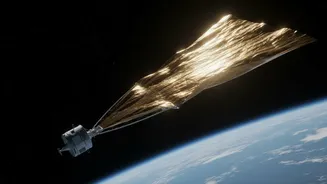
ejections (CMEs), which are giant clouds of solar plasma and magnetic fields hurtling through space. When Earth is in the path of these events, our planet's magnetic field and atmosphere bear the brunt of the impact, creating what scientists call space weather. While this can produce beautiful auroras, it can also wreak havoc on the technological infrastructure we depend on.
The Invisible Disruption On Earth
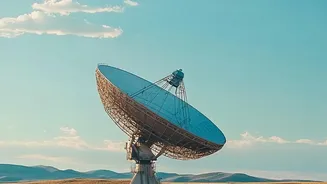
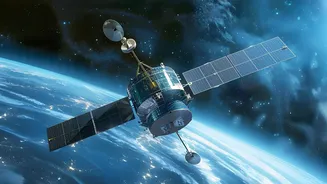
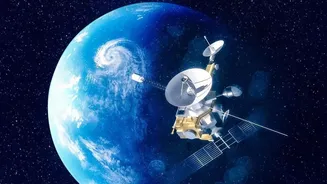
The effects of space weather are far-reaching. These solar outbursts can interfere with satellite-based communication, causing signal loss for hours at a time. They can also introduce delays and errors in GPS signals by altering the Earth's ionosphere, the atmospheric layer that radio waves must travel through. An error of even a few metres can have significant consequences for aviation, shipping, and precision agriculture. Beyond communications, severe geomagnetic storms can induce currents in power grids, potentially causing transformer damage and widespread blackouts, as happened in Quebec in 1989. With society's growing reliance on thousands of satellites for everything from financial transactions to weather forecasting, the stakes have never been higher.
A New Era of Forecasting
For decades, predicting space weather has been a major challenge. But a revolution is underway, driven largely by artificial intelligence. Researchers are now developing advanced AI and machine learning models that can analyze vast amounts of data from solar observatories and satellites to provide earlier, more accurate warnings. For example, recent collaborations between NASA and AI firms have yielded models capable of forecasting disruptive solar events up to 24 hours in advance. These AI systems are trained to recognize the subtle signs of an impending solar storm, much like AI has been used to improve terrestrial weather forecasting. This represents a significant leap from older methods, giving satellite operators and infrastructure managers crucial time to prepare.
Clearer Signals from The Sky
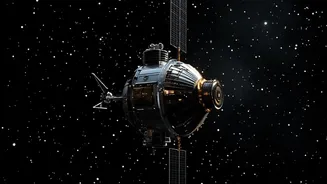
The primary benefit of these research advances is improved resilience for our orbital communication networks. With better forecasts, satellite operators can take preemptive measures to protect their hardware. This might include temporarily shutting down sensitive electronics or adjusting a satellite's orientation to minimize exposure to harmful radiation. For low-Earth orbit satellites, which are susceptible to increased atmospheric drag during solar storms, advance warning allows for course corrections to prevent their orbits from decaying. For users on the ground, this translates to more reliable GPS navigation, fewer dropped calls, and more stable data connections. The goal is to move from a reactive posture, where we deal with outages after they happen, to a proactive one where we can mitigate the worst effects before they arrive.
Beyond Better GPS
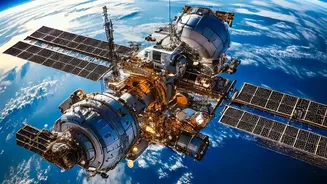
The implications of improved space weather prediction extend far beyond consumer convenience. For the aviation industry, it means safer flight paths over polar regions, which are more exposed to solar radiation. For national security, it ensures the reliability of critical defence and intelligence satellites. And as humanity looks to extend its reach with missions to the Moon and Mars, the ability to forecast solar events becomes a critical matter of astronaut safety. Astronauts on a long journey would need to take shelter from the potentially lethal radiation of a major solar flare, something only possible with a reliable warning system. These new forecasting tools are therefore not just improving life on Earth, but also enabling our future in space.