







A Monsoon Ritual for Wellness
During the Malayalam month of Karkidakam, which typically falls from mid-July to mid-August, life in Kerala adapts to the rhythm of the monsoon. This period has traditionally been associated with a focus on spiritual and physical rejuvenation. Central
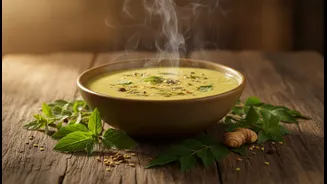
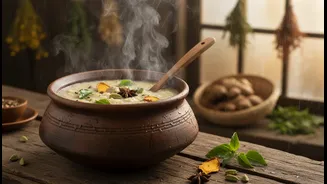
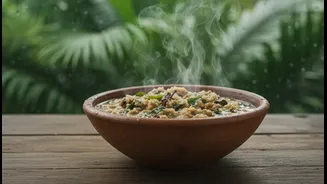
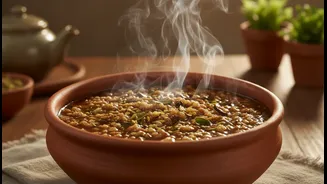
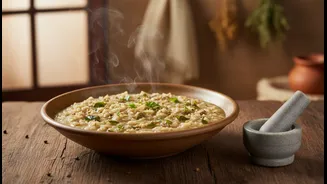
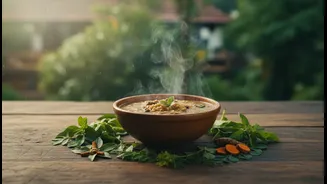
to this is the practice of Karkidaka Chikitsa, an Ayurvedic regimen designed to strengthen the body when the digestive fire, or 'Agni', is believed to be weak. The most accessible and well-known part of this practice is the consumption of Karkidaka Kanji, also known as Oushadha Kanji or Marunnu Kanji, which translates to 'medicinal porridge'. This isn't just a simple meal; it's a carefully formulated food designed to nourish, detoxify, and boost immunity during a season when the body is considered most vulnerable. Families have traditionally consumed it for periods ranging from seven days to the entire month to ward off monsoon-related ailments and build strength for the year ahead.
The Wisdom in the Ingredients
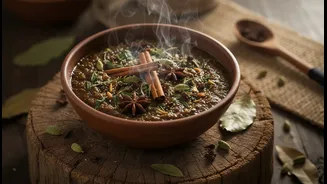
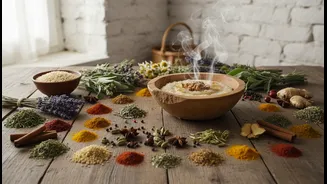
The power of Karkidaka Kanji lies in its specific blend of ingredients, a direct application of Ayurvedic principles for the rainy season (Varsha Ritucharya). The base is often Njavara rice, a medicinal variety native to Kerala that is praised for being easy to digest and nourishing. This is slow-cooked with a collection of herbs and spices that each serve a purpose. Key components include fenugreek, cumin, dry ginger, and black pepper, all chosen to stimulate digestion and provide warmth. Many preparations also include a decoction of Dashamoola (a group of ten roots) or the juice of Dashapushpam (ten sacred flowers), herbs known for their anti-inflammatory and immunity-supporting properties. The porridge is often finished with coconut milk and a touch of palm jaggery, which not only adds flavour but also helps pacify the 'Vata' dosha that Ayurveda says is aggravated during the monsoon.
From Household Tradition to Marketable Product
What was once a practice largely confined to homes, with recipes passed down through generations, has seen a significant revival and commercialization. Today, you can easily find pre-packaged 'Karkidaka Kanji kits' in supermarkets and online, making the tradition more accessible to those with busy urban lifestyles or those who no longer have access to the fresh ingredients. This has propelled the porridge from a regional, seasonal food into a trendy wellness product. Ayurvedic centers and wellness retreats prominently feature it as part of monsoon rejuvenation packages, marketing its detoxifying and immunity-boosting benefits to a global audience. While this accessibility has helped preserve and popularize an important cultural practice, it also places the tradition in a new, often decontextualized, setting.
The Fine Line Between Wellness and 'Cure'
Herein lies the risk highlighted in the headline. As Karkidaka Kanji becomes a commercial product, the language used to promote it often blurs the line between traditional wellness and modern medical claims. Words like 'detox', 'immunity booster', and 'tonic' are frequently used. While rooted in Ayurvedic concepts, these terms can be misinterpreted in a modern context, leading some to view the porridge as a 'cure' for specific diseases rather than a supportive, seasonal health practice. The principles of Ayurveda teach that food is medicine, but this is a holistic concept where diet is part of a broader lifestyle. An Ayurvedic physician might customize Oushadha Kanji with specific herbs for a particular person's health condition, but Karkidaka Kanji is generally intended as a seasonal preventative food for overall well-being. Presenting it as a standalone solution for ailments risks oversimplifying a complex tradition and creating unrealistic expectations.
Embracing Tradition the Right Way
To truly appreciate Karkidaka Kanji is to understand its context. It is a powerful tradition of preventive care, designed to align the body with the cycles of nature. It's a practice of seasonal eating that supports the body's natural functions during a challenging time of year. Viewing it as a magical cure-all strips it of this nuance and respect. The real benefit comes from embracing it as part of a holistic approach to health during the monsoon, which traditionally includes a lighter diet, avoiding cold and heavy foods, and allowing the body to rest and rejuvenate. It is a cultural expression of how to live in harmony with the environment, where food is a primary tool for maintaining balance. The tradition is a reminder that wellness is not about a single product, but a consistent and mindful practice.