


The End of Checklist Tourism
For years, travel was treated like a competitive sport. The goal was to conquer a destination, ticking off landmarks from a pre-planned list and capturing photo proof along the way. Highly compressed trips, fuelled by social media pressure to see and do
everything, often left travellers feeling like they needed a vacation from their vacation. This model of ‘checklist tourism’ rewarded speed and efficiency, but it often resulted in fatigue rather than genuine fulfilment. A 2026 Airbnb report dubbed this new wave the "Anti-Itinerary Generation," noting that for many, the grand annual holiday is being retired in favour of more personal and spontaneous trips. The focus is shifting from seeing the most to feeling the most.
A Quiet Rebellion Against Burnout
This shift isn’t just about travel preferences; it’s a direct response to modern life's relentless pace. A 2024 Deloitte survey revealed that a staggering 70% of Indian Gen Z and millennials reported experiencing burnout. The constant connectivity, blurred work-life boundaries, and pressure to always be 'on' have left many young professionals feeling exhausted. Slow travel has emerged as a powerful antidote. By removing the pressure to optimise every moment, it allows the nervous system a chance to recover, lowers stress hormone levels, and improves sleep. It’s becoming less of a luxury and more of a necessary coping mechanism to restore mental peace and create distance from the roles that can feel trapping.
What Slow Travel Actually Means
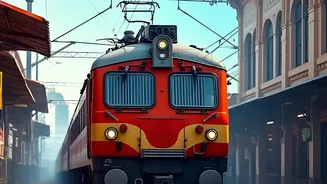
Slow travel isn't about moving at a snail's pace; it’s about moving with intention. It means trading quantity for quality—spending more time in fewer places to foster a deeper connection. Instead of rushing between cities, a slow traveller might rent an apartment for a week or more, becoming a temporary local. This can involve shopping at local markets, taking a cooking class, or simply finding a favourite neighbourhood cafe. The journey itself becomes part of the experience, with travellers opting for trains or buses over quick flights to better appreciate the landscape. According to a 2026 Airbnb study, two in three young travellers in India now go on trips with the explicit intention of doing nothing at all, a clear embrace of this slower philosophy.
The Search for Deeper Connections
Beneath this trend is a profound desire for authenticity. Young travellers are increasingly seeking unique, immersive experiences over traditional sightseeing. A recent survey highlighted that cultural exploration is a primary motivator for 56% of Indian Gen Z travellers. This involves getting outside the tourist bubble to connect with local culture, food, and communities. The rise of homestays, particularly in non-traditional tourist destinations, is a testament to this. In the first half of 2026, the number of Gen Z hosts on Airbnb in India grew by nearly 40%, with the sharpest growth seen in smaller cities and rural areas. This allows for more meaningful interactions and a travel experience that feels personal and unique, not pre-packaged.
Mindful, Sustainable, and Accessible
Slow travel also aligns with a growing awareness of sustainability. By staying longer in one place and using slower modes of transport, travellers can reduce their environmental footprint. It also encourages supporting local economies more directly, as money is spent at family-run businesses rather than large international chains. This approach is not just for long, luxurious escapes. Data shows that young Indians are taking more frequent, shorter trips—between one and seven days—that integrate into their regular lives. Whether it's a weekend in Rishikesh or a week-long workation from a homestay in the hills, the principle remains the same: prioritising depth over distance, and connection over consumption.