





The Monsoon's Shifting Mood
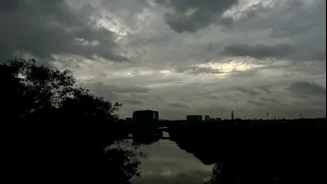
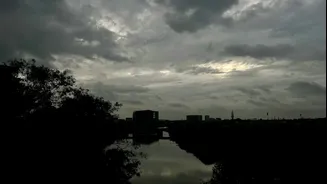
The Northeast Monsoon, which provides the bulk of Tamil Nadu's annual rainfall, has always been variable. However, recent scientific studies indicate a clear and worrying trend: the rain is becoming more erratic and intense. Instead of several days of moderate
showers, the monsoon is increasingly delivering its payload in short, devastating bursts. Studies have shown that widespread extreme rainfall events during the Northeast Monsoon have nearly doubled since the 1980s. This means the city is experiencing fewer rainy days overall, but when it does rain, it pours with an intensity that older infrastructure was never designed to handle. This shift from steady rain to sudden deluges is a hallmark of a changing climate.
The Science Behind the Change
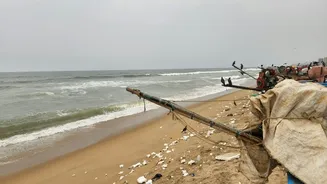
The primary driver of this change is rising sea surface temperatures in the Bay of Bengal, a direct consequence of global warming. A warmer ocean provides more fuel for storms. Increased heat leads to greater evaporation, loading the atmosphere with excess moisture. When weather systems like cyclonic circulations or low-pressure troughs form, they tap into this abundant moisture, resulting in extreme precipitation events. Scientists have noted a 30 per cent rise in precipitation intensity in recent decades compared to the 1980s. This intensification is further complicated by larger climate patterns like El Niño, which can supercharge the Northeast Monsoon, leading to catastrophic floods as seen in 2015.
From Downpour to Devastation
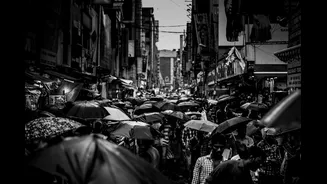
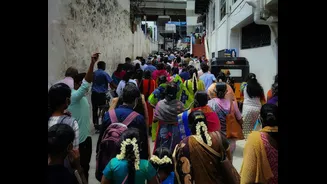
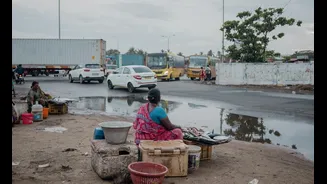
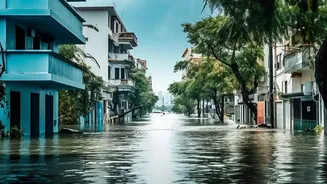
The consequences of these intense rainfall patterns are severe for Chennai's residents. The city's stormwater drainage systems, designed for much lower rainfall rates, are quickly overwhelmed, leading to widespread urban flooding. Events like the 2015 and 2023 floods, where the city received a massive percentage of its seasonal rainfall in just a couple of days, serve as stark examples. This isn't just an inconvenience; it's a crisis that causes significant economic damage, disrupts lives, and poses a serious threat to public health and safety. The combination of rapid urbanisation, which creates impervious concrete surfaces, and more intense rainfall is a recipe for recurring disaster.
A Tale of Two Extremes
Ironically, the same climate change-driven phenomena can also contribute to longer dry spells. The monsoon's growing instability means that while extreme rainfall events are increasing, so is the unpredictability of the entire system. A 52-year study by the India Meteorological Department (IMD) found that Northeast India is experiencing both more intense single-day rainfall and longer dry spells, indicating a more volatile monsoon. This pattern of extremes—too much water or not enough—poses a dual threat to Chennai's water security. The city faces the challenge of managing devastating floods during the monsoon, while also needing to conserve every drop to endure potentially longer dry periods between rainy seasons.
Adapting to a New Normal
Experts agree that Chennai must adapt to this new reality. This involves a multi-pronged approach. First is the urgent need to upgrade and redesign urban infrastructure, particularly stormwater drains, to handle higher capacities of rainfall. Restoring natural floodplains, lakes, and marshlands, which act as natural sponges, is equally critical. Beyond engineering solutions, improved forecasting and early warning systems are essential to help residents prepare for extreme weather events. While global efforts to combat climate change are paramount, these local adaptation strategies are crucial for building resilience and protecting the city and its people from the increasingly volatile nature of the Northeast Monsoon.