







The Hidden Dangers of a Convenient Snack
The skin of a fruit is its natural armour, protecting the sweet, nutrient-rich flesh inside. Once that barrier is broken, the fruit becomes vulnerable. Pre-cut fruits, especially those sold by roadside vendors or prepared in bulk, are exposed to a host
of contaminants and handling issues that can turn a healthy snack into a health hazard. The risks are not just theoretical; foodborne illness outbreaks have been directly linked to contaminated pre-cut fruits like melons. While FSSAI, India's food safety authority, has guidelines for fruit vendors, enforcement in the unorganised sector can be challenging, leaving students to fend for themselves.
A Breeding Ground for Bacteria
The moment a fruit is cut, its exposed surfaces become a potential breeding ground for harmful bacteria. Pathogens like Salmonella, E. coli, and Listeria monocytogenes thrive on the moist, sugary flesh. These bacteria can cause severe gastrointestinal issues, including diarrhoea, vomiting, and fever. Fruits that grow on the ground, such as watermelons and cantaloupes, are particularly high-risk. If they aren't washed properly before cutting, bacteria from the rind can easily be transferred to the edible part. A study in Bangladesh on street-vended fruits found a significant link between their consumption and gastrointestinal symptoms like nausea and abdominal cramps. The risk is compounded by time and temperature; cut fruit left at room temperature for more than two hours enters a 'danger zone' where bacteria can multiply rapidly.
The Problem of Cross-Contamination
Beyond the bacteria naturally present, cross-contamination is a major concern. Think about the environment where the fruit is being cut: are the vendor's hands clean? Is the knife and cutting board sanitary? Is the water used for washing potable? Often, the same knife is used to cut different types of fruits all day without being properly cleaned, transferring germs from one batch to the next. The fruit may also be exposed to environmental pollutants, dust, and flies, especially at open-air stalls. Even the ice slab it's displayed on might be made from non-potable water, introducing another source of contamination.
You're Losing Nutrients, Too
Even if you manage to dodge the bacteria, pre-cut fruit is nutritionally inferior to its whole counterpart. Key vitamins, especially the water-soluble ones like Vitamin C and some B vitamins, are sensitive to oxygen, light, and heat. Once a fruit is cut, the process of oxidation begins, which degrades these valuable nutrients. The longer the fruit sits after being cut, the more nutrients it loses. So, that plate of fruit that looks vibrant might have already lost a significant portion of its antioxidant power by the time you eat it.
Smarter, Safer Snacking Strategies for Students
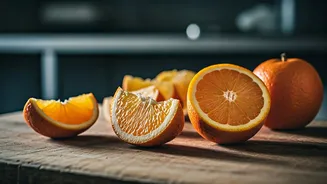
Avoiding the risks doesn't mean giving up on fruit. With a few small adjustments, you can enjoy this essential part of a healthy diet safely. * **Buy It Whole:** The simplest solution is to buy whole fruits. Choose those with a peel you can remove yourself, like bananas, oranges, and pomegranates. For fruits like apples, guavas, and pears, you can wash them thoroughly before eating. * **Wash It Right:** Always wash fruits under clean, running water before you cut or peel them. This helps prevent any contaminants on the surface from getting inside. Even for fruits like watermelon or bananas, washing the outside first is a good practice. * **Invest in Basic Tools:** Keeping a small, clean knife and a dedicated cutting board in your hostel room is a great investment. This way, you are in complete control of the hygiene. * **Cut and Eat Immediately:** To get the maximum nutritional benefit, cut fruit right before you plan to eat it. If you must prepare it in advance, store it in a clean, airtight container in the fridge and consume it within a day or two. * **Be a Vigilant Buyer:** If you absolutely must buy pre-cut fruit, choose a vendor who cuts the fruit fresh in front of you. Observe their hygiene practices – do they use gloves? Is the cutting area clean? Are the fruits stored in a chilled, covered container?