



The Surprising Numbers Game
When we think of budget travel, we often picture backpacker hostels in Southeast Asia or off-season trips to less-trodden locales. Rarely does a nation famed for its exclusivity and 'High Value, Low Volume' tourism policy come to mind. Yet, recent analyses
comparing daily travel costs worldwide are flipping that script. These affordability indexes typically crunch the numbers on key expenses: accommodation, food, local transport, and entry fees for attractions. While cities like Paris, Rome, and Zurich consistently rank high for their charm, they also rank high for their cost. Thimphu’s strong performance in these indexes isn't about being 'cheap' in a low-quality sense. Instead, it’s about offering superior value, especially for Indian tourists who benefit from geographical and policy advantages.
Daily Expenses: A Tale of Two Continents
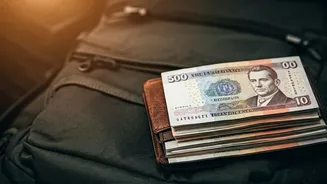
Let’s break down a typical day. In a classic European capital, a simple lunch of a sandwich and a coffee can easily set you back €15-€20 (₹1,300-₹1,800). A three-course dinner at a mid-range restaurant could be €50-€70 (₹4,500-₹6,300) per person. In Thimphu, the contrast is stark. A delicious and filling meal of Ema Datshi (chilli cheese stew) with red rice at a local eatery can cost as little as ₹200-₹400. Even at a more tourist-oriented restaurant, a hearty dinner is unlikely to exceed ₹1,000 per person. Local transport in Europe, like using the Paris Métro, involves buying passes that add up. In Thimphu, the city is compact and walkable, and taxis for longer distances are significantly more affordable. The cumulative savings over a week-long trip are substantial.
The Flight and Stay Factor
The two biggest budget killers for any international trip are flights and accommodation. For an Indian traveller, a round-trip ticket to Europe, even when booked in advance, can range from ₹60,000 to over ₹1,00,000. In contrast, flights to Paro (the only international airport in Bhutan, a short drive from Thimphu) from major Indian cities like Delhi or Kolkata are a fraction of that cost, often falling in the ₹15,000-₹25,000 range. Accommodation follows a similar pattern. While Europe has budget hostels, a comfortable, clean hotel room in a central location can be pricey. Thimphu offers a wide range of beautiful, clean, and welcoming hotels and guesthouses that provide excellent service for prices that European hotels can’t match, giving travellers more comfort for their money.
Understanding the Sustainable Development Fee (SDF)
It’s impossible to discuss Bhutan's costs without mentioning its famous Sustainable Development Fee (SDF). For most international tourists, this fee is USD $100 per person per night. However, this is where Indian travellers have a massive advantage. The fee for Indian nationals is significantly lower, set at ₹1,200 per person per night. While this is an additional cost to factor in, it’s crucial to understand its purpose. The SDF funds the nation's public services, environmental protection, and cultural preservation. So, your fee directly contributes to maintaining the pristine beauty and unique culture you’ve come to experience. When you compare this to the tourist taxes, high entry fees for museums, and inflated prices in European tourist hubs, the value proposition of the SDF becomes much clearer.
Beyond Cost: The Priceless Experience
Ultimately, Thimphu's victory in affordability isn’t just about the numbers. It’s about the quality and uniqueness of the experience. While Europe offers magnificent art, history, and architecture, Bhutan offers something increasingly rare: serenity and authenticity. It’s a country powered by the philosophy of Gross National Happiness, where ancient monasteries cling to cliffsides, prayer flags flutter in the wind, and the natural landscape is breathtakingly untouched. It’s a chance to disconnect from the frantic pace of modern life and reconnect with something more profound. You can hike to the magnificent Buddha Dordenma statue overlooking the valley, explore the lively weekend market, or learn about traditional arts at the National Institute for Zorig Chusum. These are experiences that don’t have a price tag.