


The Philosophy of Fasting Foods
Navratri fasting is a practice of discipline and purification, not deprivation. The dietary guidelines encourage sattvic foods—those that are pure, light, and easy to digest—to cleanse the body and calm the mind. The goal is to consume foods that provide
sustained energy without being heavy or causing sluggishness. Traditional fasting ingredients like specific flours, fruits, and dairy products are chosen for their nutritional properties, helping you maintain vitality throughout the nine days. Smart meal planning, focusing on balanced nutrients and hydration, is the key to a healthy and energetic fasting experience.
Sabudana Khichdi: Your Instant Energy Source
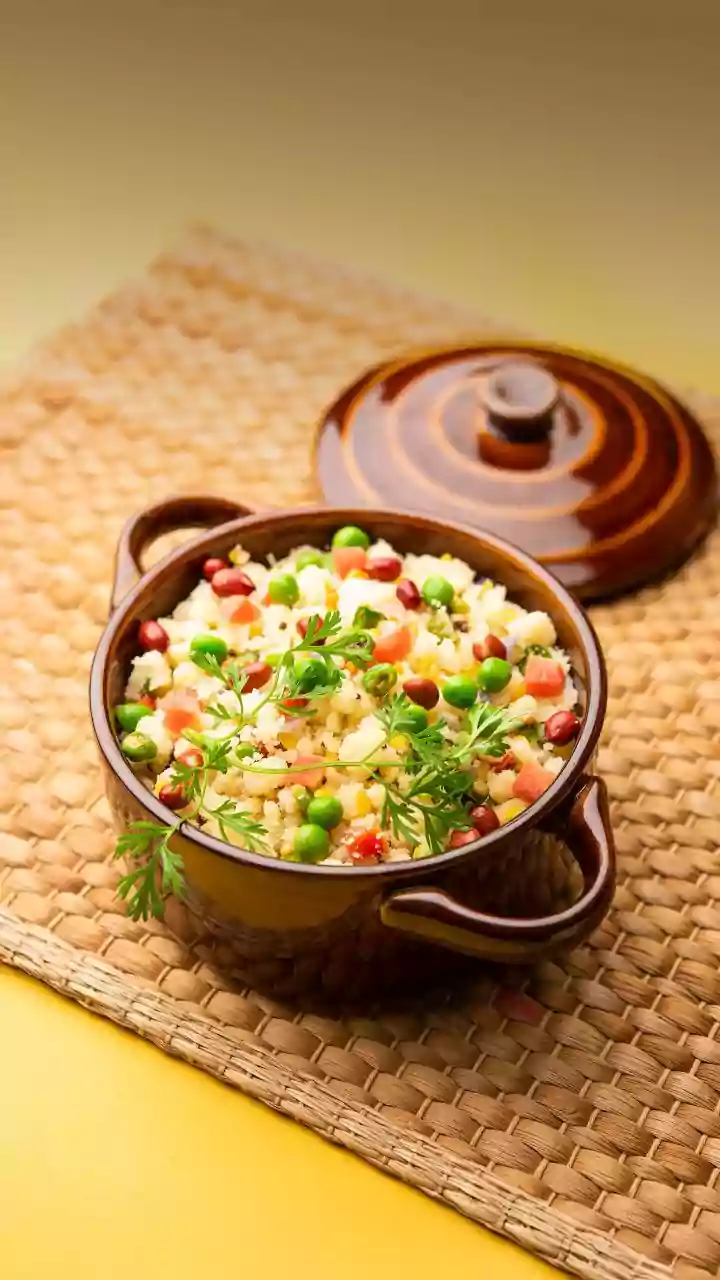
Sabudana, or tapioca pearls, is a fasting staple for a reason. It is primarily composed of carbohydrates, which act as a quick and excellent source of energy to combat fatigue during a fast. Being naturally gluten-free and easy to digest, it is gentle on the stomach. While sabudana itself is mainly starch, it becomes a well-rounded meal when prepared as a khichdi. The addition of roasted peanuts provides essential protein and healthy fats, which help in making you feel full for longer. Potatoes offer more carbohydrates for energy, while rock salt (sendha namak) helps maintain the body's electrolyte balance. This combination makes sabudana khichdi a balanced and satisfying meal to keep you going.
Kuttu Puris: The Nutrient-Packed Powerhouse
Kuttu ka atta, or buckwheat flour, is another star ingredient of the Navratri diet. Despite its name, buckwheat is not a type of wheat but a seed, making it a gluten-free pseudo-cereal. It is permitted during fasts because it is considered a sattvic food. Kuttu is nutritionally superior to many regular flours, boasting a high content of quality protein, dietary fiber, and essential minerals like magnesium. The complex carbohydrates in kuttu break down slowly, providing a steady supply of energy that prevents the sudden spikes and crashes in blood sugar associated with refined flours. The fiber aids digestion, which can slow down during fasting, and helps you feel full and satisfied. While often used to make deep-fried puris, pairing kuttu preparations with cooling foods like yogurt is recommended to balance its naturally warming properties.
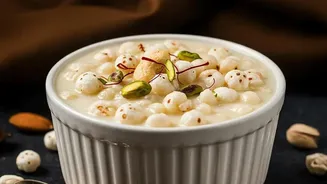
Makhana Kheer: The Healthy, Guilt-Free Dessert
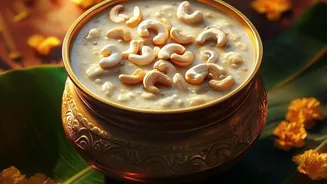
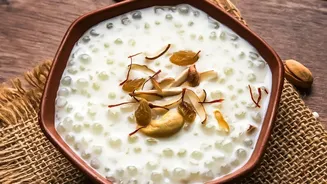
When fasting leaves you craving something sweet, makhana kheer is the perfect answer. Makhana, or fox nuts, are the seeds of the lotus flower and are prized for their impressive nutritional profile. They are low in calories and fat but rich in protein, calcium, and magnesium, making them a healthy indulgence. A bowl of makhana kheer provides a comforting energy boost without the heaviness of traditional desserts. The combination of makhana with milk, nuts, and a natural sweetener like jaggery creates a dish that is both delicious and nourishing. Its protein and carbohydrate content helps replenish energy stores, making it an ideal dish to have after a day of fasting.