




The Monsoon Obstacle Course
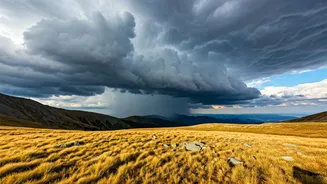
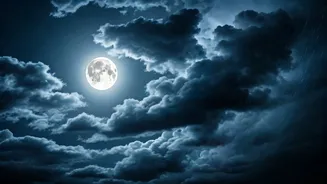
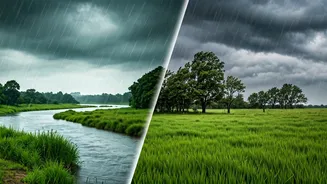
The southwest monsoon, which typically graces India from June to September, is a season of rejuvenation and relief from the summer heat. For astronomers and casual observers, however, it presents a significant challenge. The dense cloud cover associated
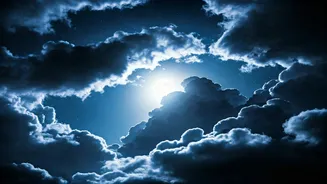
with the monsoon is the most obvious barrier, frequently obscuring the sky for days at a time. Even when the clouds part, high humidity and atmospheric moisture can scatter moonlight, creating a hazy, blurred effect that robs the moon of its crisp detail. The very air, thick with water vapor, can make a clear view elusive, even during breaks in the rain.
Mark Your Calendar: Full Moons of the 2026 Monsoon
Despite the challenges, knowing when to look up is the first step. The monsoon season of 2026 will feature several full moons, each offering a potential, albeit fleeting, opportunity for a beautiful view. The first full moon of the season, the Strawberry Moon, occurs on June 30th. Following that, the Buck Moon will appear on July 29th. The Sturgeon Moon will rise on August 28th, a date that often coincides with Raksha Bandhan celebrations. Finally, the Corn Moon on September 26th will mark one of the last full moon events of the main monsoon period. Keeping these dates in mind allows you to be ready should the skies suddenly clear.
Chasing a Clear View: Where to Go
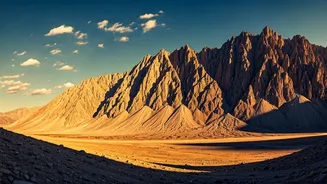
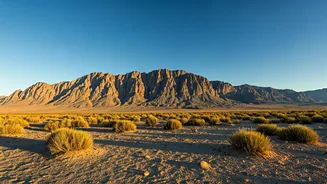
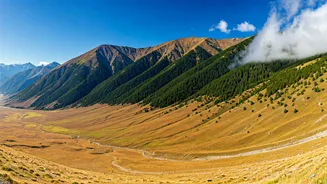
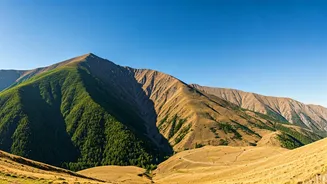
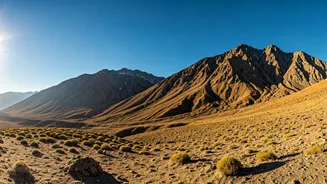
While much of the country is drenched, some regions receive significantly less rainfall due to their unique geography. These 'rain shadow' areas offer the best odds for a clear night sky. The most famous of these is Ladakh. Protected by the Himalayas, its high-altitude desert landscape remains largely dry, making it India's premier astro-tourism destination during monsoon. Similarly, Spiti Valley in Himachal Pradesh also lies in a rain shadow and offers exceptionally clear, dark skies. For those unable to travel to the Himalayas, the eastern side of the Western Ghats provides another option. Regions in Tamil Nadu and eastern Karnataka receive far less rain than the coastal side, creating pockets of opportunity for moon-gazers.
Tips for the Patient Sky-Watcher
If travelling isn't an option, you can still improve your chances from home. Patience and preparation are key. Make a habit of checking weather apps that provide detailed cloud cover forecasts, not just rain predictions. Look for windows of opportunity, which often occur just after a heavy downpour has cleared the dust and pollutants from the air. Be prepared to be flexible; a sudden break in the clouds might only last a few minutes. Finding a location away from city lights, even a nearby park or a rooftop with an unobstructed view, will dramatically increase what you can see. Sometimes, a slight mist can even steady the atmosphere, reducing the twinkling effect and providing a surprisingly stable view of the moon if the clouds are thin enough.
Beyond the Naked Eye
Technology can be a great ally during cloudy weather. Mobile apps like Google Sky Map or SkyView can show you the exact position of the moon in the sky, even when it's completely hidden. Knowing it's there, tracing its path behind the clouds, can be a unique experience in itself. For those with binoculars or a small telescope, the moments when the moon passes behind thinner clouds can be magical, creating an ethereal glow and silhouetting the lunar landscape. These tools can help you make the most of even a partially obscured view, revealing craters and seas along the terminator—the line between the moon's light and dark sides—where shadows are longest.