







Know Your Neighbourhoods
Not all of Rishikesh is the same. Your first step is to understand the distinct vibe of each area. Tapovan has become the main hub for international travellers and digital nomads, offering modern cafes, yoga schools, and boutique guesthouses. While convenient,
it can be busy. For more peace, consider Upper Tapovan, which is more elevated, quieter, and greener. The Laxman Jhula area offers a middle ground, with great views and a balance between the buzz of Tapovan and the quiet of more traditional areas. Ram Jhula is quieter and dominated by large ashrams, making it ideal for those seeking a more spiritual and disciplined environment, though you'll find fewer digital nomad-focused cafes here. Swarg Ashram, a pedestrian-only zone, offers a glimpse into old Rishikesh but can get busy with day-trippers.
Mastering the Search
Start with targeted online searches. Use specific keywords like "co-living Rishikesh," "workation Rishikesh," or "digital nomad homestay Rishikesh" on search engines and booking platforms. Many places now advertise co-living facilities, which can range from dedicated coworking areas to communal kitchens and social events. Don't just rely on the title; read recent reviews carefully, looking for mentions of noise levels, community, and the general atmosphere. Also, explore social media. Facebook groups for digital nomads in India or Rishikesh are valuable resources for finding unlisted gems and getting honest, real-time feedback from people on the ground.
The All-Important Wi-Fi Question
In Rishikesh, "fast Wi-Fi" is not a guarantee. While connectivity has improved significantly, with major providers like JioFiber and Airtel Xstream Fiber offering plans up to 1 Gbps, the actual speed you get can vary. Do not take a listing's claim of "fast Wi-Fi" at face value. Before booking, message the host directly. Ask for a recent screenshot of a speed test. More importantly, ask about power backup. Power cuts can be common, so a place with an inverter or generator is crucial for uninterrupted work. Some modern workation-focused stays, like Smart Rooms in Tapovan, specifically highlight their 100+ Mbps fiber connections and power backups as key features for remote workers.
Verifying the 'Quiet River-Facing' Promise
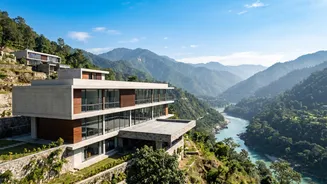
A "river view" can mean anything from a panoramic balcony to a small window overlooking a sliver of the Ganges. Likewise, "quiet" is subjective. To verify these claims, use a combination of tools. Examine the property's location on a map. Is it directly on a main road, or is it set back? Proximity to the main roads in Tapovan or near the bridges often means more noise. Scrutinise user-submitted photos on booking sites and reviews, as these often show a more realistic picture than professional marketing shots. Look for reviews that specifically mention noise from traffic, construction, or nearby establishments. For a truly quiet experience, locations in Upper Tapovan or slightly away from the main centres of Laxman and Ram Jhula are often a safer bet.
What 'Co-Living' Means Here
The term "co-living" in Rishikesh is broad. It doesn't always mean a large, purpose-built facility like you might find in a major city. It can refer to a guesthouse with a communal kitchen and a rooftop for socialising, a hostel with a dedicated quiet workspace, or a retreat centre that offers long-stay packages for remote workers. When you find a potential spot, ask about the specifics. Are there dedicated quiet working hours? Is the coworking space accessible 24/7? Are community events organised, like group hikes or dinners? Understanding the specific interpretation of co-living will help you find a community and environment that truly matches your work style and social needs.