




What is Metabolic Health, Really?
Metabolic health is more than just about weight. It’s about how efficiently your body manages energy, blood sugar, and hormones. In urban India, an increasing number of women face challenges like insulin resistance, Polycystic Ovary Syndrome (PCOS), and metabolic
syndrome, often linked to sedentary jobs and lifestyle shifts. A healthy metabolism means stable energy levels, better hormonal balance, and a lower risk of chronic conditions like type 2 diabetes. While cardio has its place, strength training—specifically heavy compound lifting—offers a unique and powerful way to reset and protect your metabolic systems from the inside out.
The Power of Muscle
The core benefit of lifting weights comes down to one thing: building lean muscle. Muscle tissue is more metabolically active than fat tissue, meaning it burns more calories even when you are resting. By increasing your muscle mass through strength training, you effectively increase your body's resting metabolic rate (RMR). This means your body becomes more efficient at burning calories throughout the day, not just during your workout. This 'afterburn effect', known as excess post-exercise oxygen consumption (EPOC), can last for up to 48 hours after a vigorous strength session. It’s like turning up your body’s internal furnace, helping with long-term weight management and energy balance.
A Game-Changer for Hormones and Insulin
For many Indian women, conditions like PCOS are closely tied to insulin resistance, where the body's cells don't respond effectively to insulin, leading to high blood sugar. Strength training is one of the most effective ways to combat this. When you lift weights, your muscles need more glucose for energy, pulling it directly from your bloodstream. This process improves your muscle cells' sensitivity to insulin, helping your body regulate blood sugar levels more effectively. Studies show that resistance training can significantly improve insulin sensitivity, lower androgen levels associated with PCOS, and promote a healthier hormonal environment.
What Are Compound Lifts?
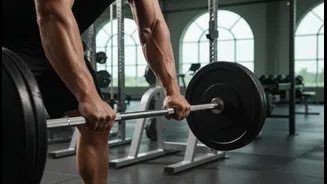
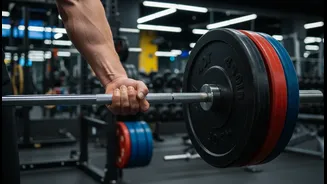
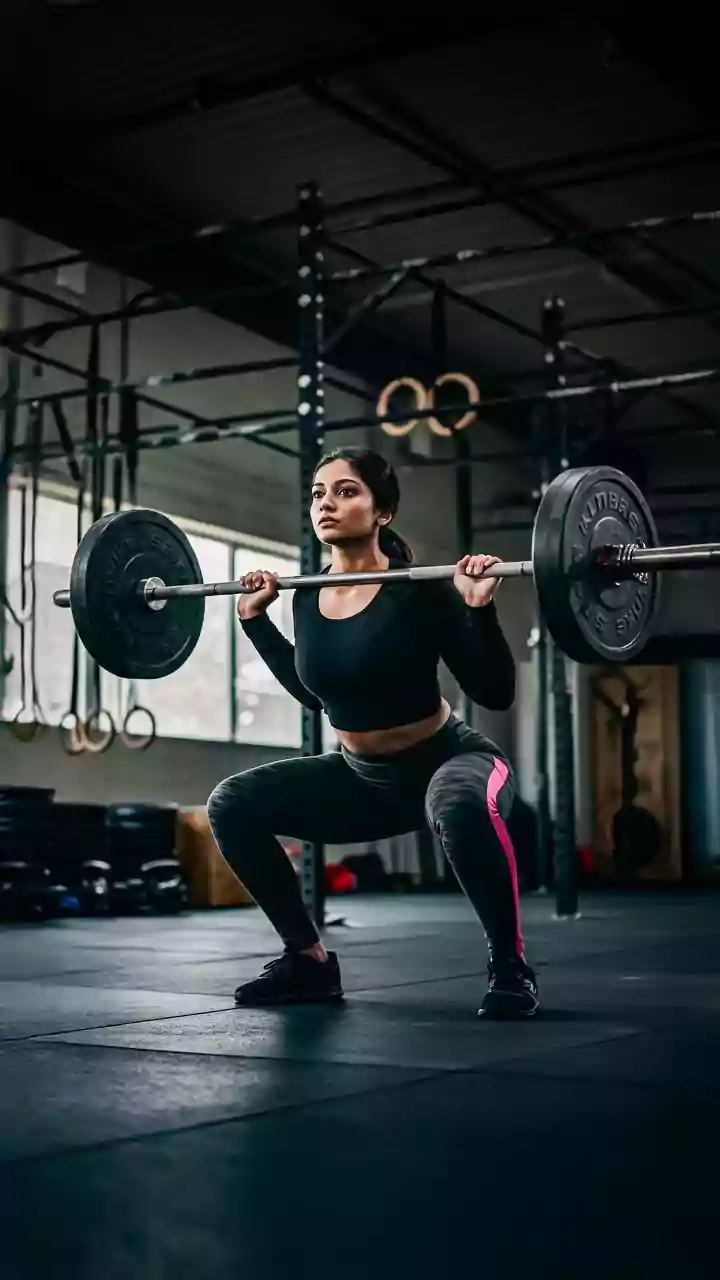
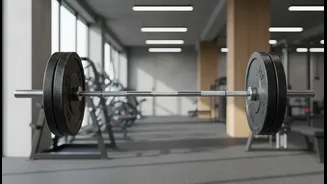
Compound lifts are efficient, multi-joint movements that work several muscle groups at once. Think squats, deadlifts, bench presses, and overhead presses. Unlike isolation exercises (like a bicep curl) that target a single muscle, compound lifts give you the most bang for your buck. For a busy working woman, this is key. A 45-minute session focused on compound movements can provide a full-body workout that builds strength, boosts metabolism, and improves functional fitness—the kind of strength you use in everyday life.
But I Don't Want to Get 'Bulky'
This is the most common myth holding women back from lifting heavy, and it's time to put it to rest. Women do not produce testosterone at the levels required to build large, 'bulky' muscles naturally. The women you see in bodybuilding magazines follow extremely specific, professional protocols that don't reflect a typical training routine. For the average woman, lifting heavy builds dense, strong muscles that create a 'toned' and lean physique, not bulk. It also strengthens bones, improving density and reducing the risk of osteoporosis later in life—a significant concern for Indian women.
How to Start Safely and Smartly
Getting started with heavy lifting doesn't mean walking into the gym and trying to lift your body weight. It's about progressive overload—gradually increasing the challenge over time. Start with bodyweight exercises like squats and push-ups to master the form. When you’re ready, introduce light weights. Focus on your technique above all else; perfect form with a lighter weight is far more effective and safer than sloppy form with a heavy one. Consider hiring a certified trainer for a few sessions to learn the correct form for major lifts. Aim for two to three full-body strength sessions per week, allowing your body to rest and recover in between.