





The Rise of the Green Brew
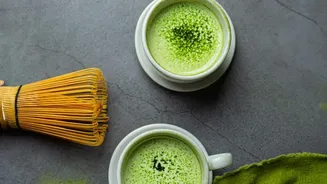
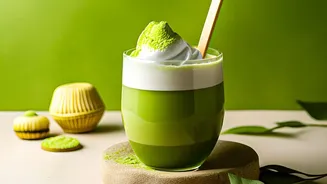
Walk into a trendy city cafe, and you’ll see the familiar sea of iced coffees alongside a new wave of colourful drinks. Emerald green, and sometimes even bright blue, lattes are popping up on menus, served hot or over ice. These aren't your average teas;
they are artisanal brews made from so-called "superfood" powders. The most common players are matcha, moringa, and spirulina. These powders are blended with a milk of your choice—dairy or plant-based—and often a touch of sweetener to create a creamy, eye-catching beverage that promises a healthful boost. This trend has moved from niche health food stores into mainstream coffee culture, positioning these green drinks as a direct competitor to the long-dominant iced coffee.
What Exactly Is in a Superfood Sip?
These green brews get their colour and their health halos from potent plant powders. Matcha is finely ground powder of specially grown and processed green tea leaves. It's packed with antioxidants called catechins. Moringa, often called the “miracle tree,” is derived from dried leaves and is a source of iron, plant protein, vitamins, and minerals. It’s considered an adaptogen, which means it may help the body manage stress. Spirulina is a type of blue-green algae that is rich in nutrients like protein, B vitamins, and iron. Its blue-hued variant, which gets its colour from an antioxidant called phycocyanin, is becoming particularly popular for its visual appeal without a strong 'algae' taste.
Green Brew vs. Iced Coffee: The Health Showdown
The central claim is that these green drinks are “healthier,” but the comparison depends heavily on how you take your coffee. A plain, black iced coffee contains almost no calories and is rich in antioxidants like chlorogenic acid. Where iced coffee often gets into trouble is with added sugars, syrups, and high-fat creams, which can turn a simple drink into a dessert with hundreds of calories. Green superfood lattes, while nutrient-dense, are not automatically low-calorie. They are typically made with milk and often sweeteners to balance their earthy flavors. However, their baseline nutritional offering is higher. Moringa provides iron and vitamins, while matcha and spirulina are antioxidant powerhouses. A key advantage for some is that many green brews are less acidic than coffee and may be gentler on the stomach. Matcha is even praised for promoting better breath compared to coffee.
Beyond the Buzz: The Energy Question
For many, the switch from coffee is about changing the type of energy they get. Coffee provides a quick, powerful jolt of caffeine that blocks feelings of tiredness, but this can often lead to jitters and an inevitable crash. Matcha also contains caffeine—sometimes as much as a cup of coffee—but it includes an amino acid called L-theanine. This compound promotes relaxation and results in what many describe as a “calm-alert” state, providing sustained energy without the sharp spike and fall. Moringa and spirulina are typically caffeine-free, offering a gentle energy lift derived from their rich nutrient profiles, such as iron, which helps fight fatigue. This makes them a great option for those who are sensitive to caffeine or want an afternoon boost without disrupting their sleep.
So, Is It Worth Making the Switch?
Deciding between an iced coffee and a green superfood brew comes down to personal health goals and taste preferences. If you’re looking for a low-calorie caffeine hit and enjoy the taste, a black iced coffee is a perfectly healthy choice. However, if you experience jitters, anxiety, or energy crashes from coffee, a matcha latte could offer a smoother, more sustained boost. For those wanting to reduce their caffeine intake entirely while still getting a dose of nutrients, a moringa or spirulina latte is an excellent alternative. The flavour profile is different—more earthy and vegetal—which may not appeal to everyone. The biggest factor in keeping either choice healthy remains the same: be mindful of added sugars and syrups. A green latte loaded with sugar is not necessarily a better choice than a simple cold brew. Ultimately, these green brews offer a functional, nutrient-dense alternative for anyone looking to shake up their daily ritual.